Saturday, February 29, 2020

ஓர் இந்துத்துவருக்கான பதில்கள்: இஸ்லாம், கிறிஸ்தவம், மத மாற்றம்

முகநூலில் ஓர் இந்துத்துவர் இஸ்லாம் குறித்தும் கிறிஸ்தவம் குறித்தும் கேள்வி எழுப்பிய போது சிறு குறிப்புகளாக எழுதிய பதில்கள் இவை. இப்பதிவு என் வழக்கமான பாணியில் இருந்து மாறுபட்டது. மேற்கோள்கள் இன்றி, புத்தகப் பட்டியல் இன்றி எழுதப்பட்டது. இங்கிருக்கும் எதுவும் அடிப்படையில்லாமல் எழுதப்பட்டதல்ல. வேறொரு சமயம் நூல் பட்டியலை இங்கேயே வெளியிடுகிறேன். 

முதலில் இஸ்லாம் பற்றியும் அதைத் தொடர்ந்து கிறிஸ்தவம் பற்றியும் எழுதியிருக்கிறேன்.

இஸ்லாமிய பயங்கரவாதம், ஷரியா மற்றும் இஸ்லாமிய தேசியம்: 

    ஓர் இந்துத்துவ மோடி வாக்காளர் (இரண்டும் வெவ்வேறல்ல என்பதும் முக்கியம்) குடியுரிமை சட்ட திருத்த மசோதாவை ஒட்டி சில கேள்விகள் எழுப்பியுள்ளார். அவர் பிராமணர். ஆனால் என் பதில்கள் பிராமணர்களை மட்டுமே முன்னிறுத்தி சொல்லாமல் அவர்களுக்கும் பிறருக்குமாகவும், தேவையான இடங்களில் பிரத்யேகமாக பிராமணர்களுக்கு சொல்கிறேன்.


      1. இஸ்லாமியர் என்றவுடனேயே ஐசிஸ், அல் கொய்தா என்று நாடு கடந்த பயங்கரவாத அமைப்புகளின் பெயர்கள் சொல்லப்படுகின்றன. இந்தியாவில் பயங்கரமான கொலைகளை, ஒரு முன்னாள் பிரதமர் உட்பட, செய்தவர்கள் இந்துக்கள் நிரம்பிய எல்.டி.டி.யினர். மேற்கத்திய நாடுகளில் அகதிகளாக சென்ற இலங்கைத் தமிழர்கள் பலர் அந்த இயக்கத்துக்காக கருத்தியல் ரீதியாகவும், பொருளியல் ரீதியாகவும் (இதில் மோசடிகளும் அடங்கும்) உதவியவர்கள். அடுத்தது சீக்கியர்கள். இந்திய இறையாண்மையை கிட்டத்தட்ட தகர்த்தவர்கள் சீக்கிய தீவிரவாதிகள். மேலும் வெளிநாட்டிலும் போய் இந்தியாவுக்கு எதிராக தீவிரவாதம் மேற்கொண்டு ஒரு விமானத்தையே வெடிக்கச் செய்தவர்கள். 
      2. இந்தியா சுதந்திரம் பெற்ற நாள் முதல் பல இடங்களிலும், தமிழகம் உட்பட, பிரிவினைவாத இயக்கங்கள் தோன்றியிருக்கின்றன அவற்றில் பெரும்பாலானவை இந்துக்கள் நடத்தியவை. 
      3. இன்று இங்கிலாந்தில் இந்தியர்களிடையே இருக்கும் பிரச்சனை சாதியம். இந்து மதத்தின் கொடை அது. 
      4. அது ஏன் இஸ்லாமியர் என்றவுடன் பயங்கரவாதத்தோடு பிணைத்துப் பேசுகிறார்கள்? ஐசிஸ், அல் கொய்தா எல்லாம் அந்தந்த தேசத்தில் தோன்றியதற்கு பல காரணங்களுண்டு. முக்கியமாக அந்தந்த இஸ்லாமிய தேசங்கள் உலக அரங்கில் பகடைக் காயாக ஆக்கப்பட்டது. அக்காரணங்களுக்கும் இந்திய முஸ்லிம்களுக்கும் எந்த சம்பந்தமுமில்லை. 
        1. இன்று இந்தியாவில் அந்த பயங்கரவாத இயக்கங்களில் ஊடக பிரச்சாரத்தால் ஈர்க்கப்பட்ட இஸ்லாமியர் இருக்கிறார்கள், சொற்பமாகவேனும். ஆனால் இன்று அவர்களால் இந்திய தெருக்களில் வாளேந்தி பேரணி நடத்த முடியுமா? முடியாது. அப்படி செய்யக் கூடியவர்கள் ஆர்.எஸ்.எஸ் இயக்கத்தினர் தான். சிறு பெண் குழந்தைகள் கத்தி ஏந்தி ஊர்வலம் போவதை இந்துத்துவர் மகிழ்ச்சியோடு பகிர்கிறார். பயங்கரவாதம் யார் வேண்டுமானாலும் செய்யலாம். வித்தியாசம் என்பது ஒரு சாரார் செய்தால் அரசாங்கம் இரும்புக் கரம் கொண்டு நசுக்கும் இன்னொரு சாராருக்கு அரசாங்கமே காவல் நிற்கும். 
      5. இஸ்லாமியர் ஷரியா சட்டத்தையே விரும்புவார்கள் இந்திய அரசியல் சாசனத்தை அல்ல என்கிறார் இந்துத்துவர். இந்துத்துவர்களிடையே தான் இன்று “தர்ம சாஸ்திர” அடிப்படையிலான அரசியல் சாசனம் வேண்டும் என்ற ஊளைச் சத்தம் கேட்கிறது. முன்னெப்போதையும் விட இப்போது இஸ்லாமியர் இந்திய அரசியல் சாசனமும், அம்பேத்கருமே, தங்கள் கேடயங்கள் என்று உணர்ந்திருக்கிறார்கள். 
        1. கலாச்சாரம், பண்பாட்டு அடையாளம் என்ற போர்வையில் இந்தியாவின் உயரிய அரசாங்க விருதுகளின் பெயர்கள் துரோணாச்சார்யார், அர்ஜுனன் ஆகியவை. மருந்துக்குக் கூட இந்தியாவில் ஆயிரம் வருடத்துக்கு மேல் வேரூன்றியிருக்கும் இஸ்லாமிய அடையாளம் இல்லை எங்கும். 
        2. குழந்தை திருமணத்தை தடுக்கவும், விதவைகள் மறுமணத்துக்கு சட்ட அங்கீகாரம் கொடுப்பதற்கும் இந்து மடாதிபதிகளிடம் எவ்வளவு சாஸ்திர ரீதியாக மன்றாட வேண்டியிருந்தது என்பது வரலாற்றைப் புரட்டினால் தெரியும். 
        3. தீண்டாமைக்கு ஆதரவாக காஞ்சி மஹா பெரியவா (??) காந்தியோடு வாதிடும் போது காந்தியும் சாஸ்திரம் அதை அங்கீகரித்தால் தான் ஏற்பதாகச் சொல்கிறார். சாஸ்திர ரீதியாக தீண்டாமைக்கு ஆதரவில்லை ஆகவே தான் அதை எதிர்ப்பது இந்து மதத்தை எதிர்ப்பதாகாது என்று சமாதானம் சொன்னார் காந்தி. 
        4. தீண்டாமை ஒழிப்பு என்பது இந்து மதத்தை அழித்து விடும் என்று நம்பிய பலர் தீண்டாமை ஒழிப்பு யாத்திரை மேற்கொண்ட காந்தியை “காந்தியே செத்து போ” என்று சபித்தத்தோடு அவரை கொல்லவும் முறபட்டாற்கள். இதில் அநேகர் பிராமணர்கள் தாம். இன்று அந்த பிராமண சமூகத்தைச் சேர்ந்த ஒருவர் நா கூசாமல் கேட்கிறார் இஸ்லாமியர் ஷரியாவைத் தான் ஆதரிப்பார்களாமே என்று. இன்று அமெரிக்காவிலும் இந்துக்களுக்கும், குறிப்பாக பிராமணர்களுக்கும், உள்ளூர் சட்டத்துக்கும் உரசல்கள் வந்திருக்கின்றன. 
      6. சமீபத்திய போராட்டங்களின் போது இஸ்லாமியர் போராட்டத்தின் நடுவே தெருக்களில் நமாஸ் செய்வது கேள்விக்குள்ளாகி ஒரு மாத்வர் அதைக் குறிப்பிட்டு “ஒவ்வொரு வெள்ளிக்கிழமையும் நீங்கள் சாலையை மறித்து தொழுகை செய்த நேரத்தில் தான் சராசரி ஹிந்து தனது தவறுகளை குறித்து வெயிலில் காய்ந்தவாறு நின்று யோசித்தான்” என்று நக்கலாக எழுதுகிறார். கொடுமை. நெல்லி படுகொலை முதல் குஜராத் படுகொலைகள் வரை இஸ்லாமியர் கொன்று குவிக்கப்பட்ட போதெல்லாம் விசாரணை கமிஷன்கள் கேட்பாரற்று போயின. ஹாஷிம்புராவில் இஸ்லாமியரை குருவி சுடுவது மாதிரி சுட்டு வீசினார்கள். 31 வருடங்களாக சுட்டுத் தள்ளிய போலீஸார் மீது வழக்கு நடக்கிறது. அதற்குள்ளாக இதோ உத்தர பிரதேசத்தில் இஸ்லாமியரை போலீஸ் குறி வைத்து தாக்குகிறது.
      7. ஸ்ரீகிருஷ்ணா கமிட்டி குற்றம் சாட்டிய பால் தாக்கரேவை அரை மணி நேரம் கூட கைது செய்ய முடியவில்லை. அவருக்கு அரசு மரியாதையுடன் அடக்கம் வேறு. 
      8. மாத்வர் என்று அடையாளப்படுத்திக் கொள்பவர் எழுதுகிறார், “இன்றளவும் அந்தண , அர்ச்சக விரோதத்தை வளர்ப்பது யார்?” இதை தமிழ் நாட்டில் செய்வது திராவிட இயக்க இந்துக்கள் தாமே? அதைச் சொல்ல என்ன வெட்கம்?
      9. அதே மாத்வர் கேட்கிறார், “சாதியின் பெயரைச் சொல்லி ஹிந்து மதத்தவர் இடையே கலவரத்தை  தூண்டி விட்டது யார்?”. அதாவது அதைச் செய்வது இஸ்லாமியராம். வெட்கமாயில்லை இப்படி பொய் சொல்வதற்கு? எத்தனை சாதிய கலவரங்களுக்கு இஸ்லாமியர் பொறுப்பு? சாதிய கலவரம் செய்ய இந்துக்களுக்கு யாரேனும் கற்றுக் கொடுக்க வேண்டுமா என்ன? 
      10. இந்திய இஸ்லாமியர்கள் இந்தியாவின் குடிமக்கள் மற்ற எல்லோரையும் அவர்களிடையேயும் நிறை, குறைகள் உண்டு. அவர்களை பிரத்தியேகமாக குற்றவாளிக் கூண்டில் ஏற்றுவது கயவாளித்தனம். 

    ஓர் இந்துத்துவருக்கான பதில்கள் - பகுதி இரண்டு: கிறிஸ்தவம், மத மாற்றம்., பெந்தகோஸ்தே வளர்ச்சி


    இஸ்லாமியர் என்றால் பயங்கரவாதம் தொடர்பாக பேச அரம்பிப்பதைப் போல் கிறிஸ்தவர் என்றாலே மத மாற்றம் குறித்து ஆரம்பிப்பார்கள் இந்துத்துவர்கள். அதுவும் மென்மையாக ஆரம்பிப்பார்கள், “கல்விக்கு கிறிஸ்தவர்களின் பங்களிப்பை மதிக்கிறேன்” என்று சொல்லி அப்புறம் ‘ஆனால்’ என்று இழுப்பார்கள். மத மாற்றத்தைக் கூட ஒப்புக் கொள்வார்கள், “அது தனி மனித தேடல் என்றால் ஓகே ஆனால் இந்த mass conversion இருக்கே அதை மட்டும்” என்று முகாரி ஆரம்பிக்கும்.

    இந்தியா, குறிப்பாக தென்னிந்தியாவில், கிறிஸ்தவம் காலூன்றியதை காலம் மிக விரிவாக ஆவணப்படுத்தப்பட்ட காலம். ஆனால் இணையத்தில் பேசும் பலருக்கும், சாமான்யர்கள் பலருக்கும் வரலாற்றோடு பரிச்சயம் இல்லை. ஃபிரைக்கன்பர்க் எடிட் செய்த கிறிஸ்தவ வரலாறு பற்றிய நூல்களும், சூசன் பேலி, ரூபா விஸ்வநாத் முதலானோர் எழுதிய நூல்களை கொண்டே 150 பக்கம் வரை சுருக்கமாக கிறிஸ்தவ வரலாற்றை தொகுக்கலாம் அது பல புரிதல்களை கேள்விக்குள்ளாக்கும்.
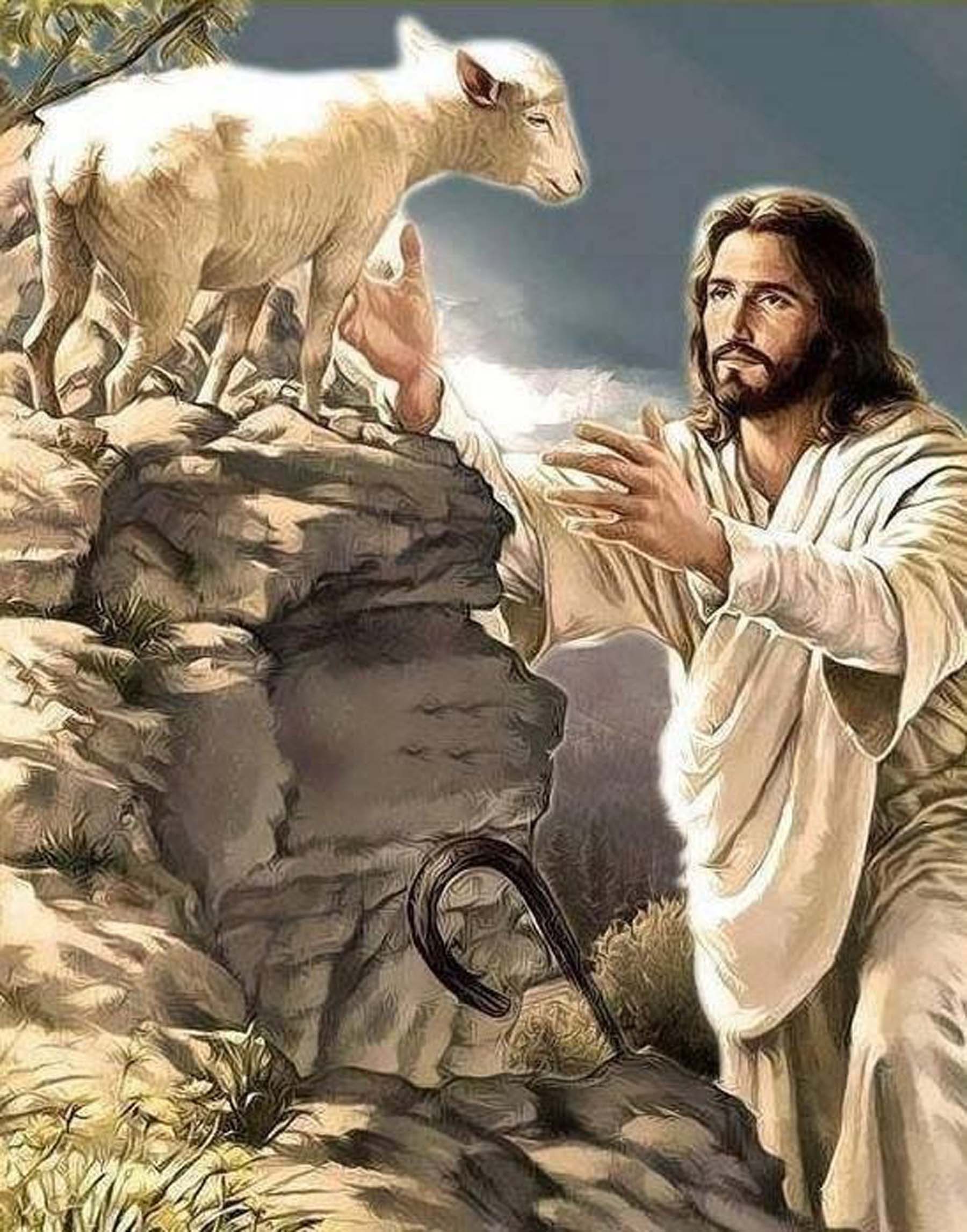


    அதி தீவிர இந்துத்துவர்கள் முதல் சாதரணர்கள் வரை இந்த மத மாற்றம் குறித்து பல விதமான புரிதல்கள் இருக்கின்றன. அதில் நியாயமான எரிச்சல்கள் முதல் அடிப்படையே இல்லாத காழ்ப்புகள் வரை அடங்கும். மத மாற்றம் என்பது பற்றி நல்ல ஆராய்ச்சிகள் இல்லை என்பதே உண்மை. மாறாக மற்ற வரலாறுகளின் பிண்ணனியில் அது பேசப்ப்ட்டிருப்பதில் இருந்தே தொகுக்க வேண்டியிருக்கிறது.
    முதலில் நியாயமான எரிச்சல்கள். கிறிஸ்தவர்களில் இங்கிதமோ பண்பாடோ தெரியாமல் மூர்க்கமாக எல்லா தருணத்திலும் ஏதேனும் ஒரு ஆடு சிக்கி விடாதா என்று எதிர்படுபவர் எல்லாம் மத மாற்றம் செய்யப்படுவதற்கானவர்கள் என்று அலைபவர்கள் நிச்சயமுண்டு. மிக முக்கியமாக பெந்தகொஸ்தே சபையோர். நல்ல கிறிஸ்தவனாக இருப்பதை விட கிறிஸ்தவத்துக்கு ஆள் சேர்ப்பதே கிறிஸ்தவம் என்று நினைப்பவர்கள் இவர்கள். 

    சமீபமாக முன்பிருந்ததை விட சர்ச்சுகள் கண்ணில் தென்படுகின்றன என்று நண்பர்கள் சொல்லக் கேட்டிருக்கிறேன். பார்ப்போருக்கு எல்லா சர்ச்சும் கிறிஸ்தவம் என்கிற ஒற்றை ஆலமரத்தின் விழுதுகள். இது தவறு. இந்துக்கள் பலரும் செய்யும் தவறு இந்து மதம் ஒற்றப் படையானதல்ல என்று நம்புவதும் ஆபிரஹாமிய மதங்கள் ஒற்றைப் படையானவை என்று நம்புவதும். உண்மை நடுவில் இருக்கிறது. இந்து மதத்தில் மையச் சரடுண்டு. அதேப் போல் ஆபிரஹாமிய மதங்களில் மையச் சரடு தாண்டி வேறுமைகள் உண்டு. Hinduism has lesser variety than it is supposed and it has a unifying central organizing principle. Likewise there’s more variety in Christianity and Islam that it is commonly understood.

    இந்தியாவில் மதம் மிகச் சிறந்த வியாபாரம். இந்து மதத்தில் நித்தியானந்தாக்களும், ஜக்கி வாசுதேவ்களும் இருப்பதைப் போலவே கிறிஸ்தவத்தில் தினகரன்களும், மோகன் லாசரசுகளும். சரியான சமூக ஆய்வுகள் மத மாற்றம், பெந்தகோஸ்தே வளர்ச்சி பற்றி இல்லை. இது விஷமிகளுக்கு தோதாகின்றது. எல்லா விஷமிகளுக்கும். 

    பெந்தகோஸ்தே வளர்ச்சியை ஏதோ பன்னாட்டு சதி ரேஞ்சில் பேசுகிறார்கள். ஜோஷுவா புரோஜெக்ட் போன்ற அரை வேக்காடு அறிக்கைகள் மேற்கோள் காட்டப்படுகின்றன. யதார்த்தம் வேறு என்கிறார் நண்பர் ஒருவர். பல ஊர்களில் இந்த பெந்தகோஸ்தே வகையறா பாதிரிமார்கள் தீடீர் சர்ச்சுகளை ஏற்படுத்தவும் அவர்களுக்கும் உள்ளூர் இந்து அமைப்புகளின் தலைவர்கள் அந்த சர்ச்சுகள் அங்கு ஸ்தாபிக்கப்பட தடை உருவாக்காமல் இருப்பதற்காக கப்பம் வசூலிப்பதும் நடக்கிறது என்கிறார். இம்மாதிரி சர்ச்சுகள் அநேக இந்து பழக்கங்களை சுவீகரிக்கிறார்கள். 

    இந்தப் பித்தலாட்டங்களுக்கு அப்பால் சில நண்மைகளையும் நண்பர் சுட்டிக் காட்டினார். இம்மாதிரி பெந்தகோஸ்தே வளர்ச்சி இடை நிலைச் சாதியினருக்கும் பட்டியல் இனத்தவருக்கும் கொடுக்கல்-வாங்கல் உறவுகளில் பாலம் உருவாக்கியிருக்கிறது என்றார் அவர். 

    இங்கிதமில்லாமல், சில சமயங்களில் மிக அநாகரிகமாகவும் ஒருவருக்கு நேரும் வாழ்க்கையின் துயர் மிகுந்த சந்தர்ப்பத்தை பயன்படுத்தி “உண்மையான கடவுளிடம் வா” என்று பேசும் கிறிஸ்தவர்கள் மூடர்கள். உலகில் மூடர்கள் இருக்கத் தான் செய்கிறார்கள். 

    அதெல்லாம் சரி. உலகில் மூடர்கள் மட்டுமா இருக்கிறார்கள், காட்டுமிராண்டிகளும் இருக்கிறார்களே? சாவு நெருங்கும் ஒருவன் தன் கடவுளை ஏற்றால் தன்னைச் சேர்ந்தவனாகிறான் என்பது சந்தர்ப்பவாதம் ஆனால் செத்த பிணம் தன் தெரு வழியேப் போகக் கூடாதென்கிறவன் காட்டுமிராண்டி. திருமணத்தை காரணம் காட்டி காதலித்தவர்களில் ஒருவரை மதம் மாறச் சொல்வது தவறு ஆனால் ஆண்டப் பரம்பரை பெருமை பேசி காதலித்தவர்களை வெட்டிப் போடுவது அதை விட மிருகத்தனமானது. பெண் ஐயரை மணந்தால் என்று அவள் வீட்டில் சாப்பிடாத ஐயங்கார் அம்மாளை விட ‘மதம் மாறு பெண்ணை கட்டிக் கொடுக்கிறேன்’ என்கிறவர் கொஞ்சமேனும் மேலானவர்.

    ‘நீ கொலம்பியாவில் முனைவர் பட்டம் வாங்கினாலும் என் கையால் உனக்கு தண்ணீர் கொடுக்க மாட்டேன்’ என்பவரை விட இறக்கும் தொழுநோயாளிக்கு சிசுருஷை செய்து, மருத்துவம் பார்த்து அந்நோயாளி சாவின் வாயிலில் நிற்கும் போது ஞானஸ்நானம் செய்பவரின் அநாகரீகம் சற்றேக் குறைவானது. இந்த இரு உதாரணங்களில் கவனிக்க வேண்டிய முக்கியமான வித்தியாசமும் உண்டு. ஒருவனுடைய மதம் சொல்லித் தருகிறது சக மனிதனின் பிறப்பு அவன் இறக்கும் வரை அவன் எப்படி நடத்தப் பட வேண்டும் என்பதை தீர்மானிக்கிறது இன்னொருவருடைய மதம் சொல்லித் தருகிறது தொழு நோயாளியைத் தொடுவது கடவுளுக்குச் செய்யும் சேவை என்று. மத மாற்றத்தைப் பற்றி முகம் சுளிப்பவர்கள் இதற்கு பதில் சொல்லட்டும்.

    சாதி, மதம் சார்ந்த எள்ளல்களும், விலக்கல்களும் இந்திய மண்ணில் ஊறிய பண்புகள். “சிச்சீ என்ன இது மத மாற்றம்” என்பவர்கள் எல்லாம் மானுடத்தை வித்தியாசம் பார்க்காமல் அலைகடலென அணைத்துக் கொள்ளும் மகாத்மாக்கள் அல்ல.

    பிராமண நண்பன் வீட்டில் கிரிக்கெட் விளையாடிவிட்டு வீட்டுக்குச் சென்றவன் நண்பன் வீட்டில் தன் மட்டையை மறந்துவிட்டது நினைவுக்கு வரவும் நண்பன் வீட்டுக்குப் போனான். போனவன் கண்டது நண்பனின் பாட்டி அவர்கள் விளையாடிய இடத்தை நீர் விட்டு அலம்பிக் கொண்டிருந்ததை. என் வீட்டுக்கு சைவ சாப்பாடு சாப்பிடுபவர்கள் விருந்துக்கு வந்தால் சைவமே பரிமாறியிருக்கிறோம். பாத்திரங்கள் எல்லாம் டிஷ் வாஷரில் சுடு நீரும் ஸ்டீமும் கொண்டு சுத்தப் படுத்தப்பட்டவை ஆனாலும் ஒருவர் “வீட்டு fridge-இல் அசைவம் இருப்பதால் சாப்பிட இயலாது” என்றார். “அரவிந்தா என் பெண்ணை கண்ட முதலியாருக்கும் கட்டித் தர மாட்டேன் வருகிறவன் நாலு தலைமுறைக்கு சுத்தமான தொண்டை மண்டல முதலியாரா என்று பார்ப்பேன்” என்றவர் மருத்துவர்.

    சராசரி இந்து அன்றாட வாழ்வில் எல்லோரையும் என்ன மாதிரி இந்து என்று உரசிப் பார்ப்பதில்லை. ஆனால் உரசிப் பார்க்கும் தருணங்களை இந்துக்கள், எல்லா வகையினரும், தெளிவாகவே கடைப் பிடிக்கிறார்கள். 

    காந்தி முதல் ஜெயகாந்தன் (‘ஈஸ்வர் அல்லா தேரே நாம்’) வரை மத மாற்றங்கள் புரிந்துக் கொள்ளப்படவில்லை என்பதே நிஜம். மதம் மாறுகிற தலித்துகளை மாடுகளோடு ஒப்பிட்டார் காந்தி. கிறிஸ்தவம் இந்தியாவில் வளர்ந்தது ஓர் ஆச்சர்யமே. இந்து மதம் மட்டும் எள் முனையளவு கருணையையாவது தலித்துகளிடம் காட்டியிருந்தால் கிறிஸ்தவம் இந்தியாவில் காலூன்றியிருக்காது என்பதே நிஜம்.

    இஸ்லாம், இந்து மதம் போலல்லாது ஆள்பவரின் ஆதரவு பெருமளவு இல்லாமல் என்பதோடு ஆள்பவரின் எதிர்ப்பையும் மீறி வளர்ந்தது தான் கிறிஸ்தவம். காலனி ஆட்சிக்கும் கிறிஸ்தவத்தின் வளர்ச்சிக்கும் தொடர்பு இருக்கிறதா? ஏன் தலித்துகள் பெருமளவில் கிறிஸ்தவர்களானார்கள்? கிறிஸ்தவத்தில் ஏன் சாதி இன்றும் இருக்கிறது? 

    —- பதில்கள் தொடரும்

    ஓர் இந்துத்துவருக்கான பதில்கள் - பகுதி மூன்று: மத மாற்றத்தின் தேவைகளும், பலன்களும், அரசியலும்


    மெக்காலேவினால் இந்தியாவில் கல்வி தழைத்தது. ஐடா ஸ்கட்டர் போன்றவர்களால் மருத்துவம் இந்தியாவில் கோடாக்கோடி உயிர்களை காப்பாற்றியிருக்கிறது. மிஷனரிகளால் கடைக் கோடி இந்தியனுக்கும் கல்விச் சென்றடைந்தது. இவற்றில் நூற்றில் ஒரு பங்கையாவது இந்து மதம் செய்திருந்தால் கிறிஸ்தவத்திற்கு இந்தியாவில் நுழைவாயில் அடைப்பட்டிருக்கும்.

    அநேகரும் மத மாற்றத்தை கிறிஸ்தவத்தோடு மட்டுமே இணைத்துப் பார்க்கிறார்கள். காலனி ஆட்சிக்காலத்தில் கிறிஸ்தவம் இந்தியாவில் காலூன்றியதால் மிக அற்புதமான ஆவண களஞ்சியம் நமக்கு கிடைத்திருக்கிறது. நானும் அந்த வரலாற்றையே பெருமளவு படித்ததால் கிறிஸ்தவ மத மாற்றம் குறித்தே எழுதுகிறேன். மத மாற்றம் என்ற தலைப்பில் தமிழில் சரியான நூல்கள் இல்லை, ஆங்கிலத்திலும் பல நூல்களில் இருந்து தொகுத்து தான் பேச முடியும் அதுவும் அதிகப் பட்சம் 1960-கள் வரை. சமீபத்திய மாற்றங்கள் பற்றி நல்ல புத்தகஙள் இல்லை, கள ஆய்வுகளும் இருப்பதாகத் தெரியவில்லை. ஆனால் வரலாறு நமக்கு ஒரு சித்திரத்தை கொடுக்கிறது. அதில் சில புள்ளிகளை மட்டும் இப்பதிவில் தொடுகிறேன்.

    இந்து சமஸ்தானம் என்று அறிவித்துக் கொண்ட திருவிதாங்கூர் சமஸ்தானம் சகலருக்கும் கல்வி என்று அற்புதமாக அறிவித்தது ஆனால் சாதி இந்துக்களுக்கு நடத்தப்படும் பள்ளிகளில் தலித்துகளைச் சேர்க்கவும் விரும்பவில்லை அவர்களுக்கான பள்ளிகளை தனியாகவேனும் தாங்களே நடத்தவும் விரும்பாமல் மிஷனரிகளை அழைத்து பணம் கொடுத்து அவர்கள் ஆச்சு நீங்கள் ஆச்சு என்று கை கழுவினார்கள். ஆரம்பத்தில் பள்ளிகளில் மத மாற்றங்கள் ஊக்குவிக்கப்பட்ட போது சலசலப்பு எழுந்தது பின்னர் அதற்கு எதிராக கட்டுப்பாடுகள் விதிக்கப்பட்டது. 

    நிலச்சுவாந்தாரர்களான உயர் ஜாதி இந்துக்களும் மத மாற்றத்தை ஊக்குவித்ததும் நடந்தது. ஏனென்றால் மதம் மாறிய கீழ் ஜாதியினர் சுகாதார பழக்கங்களை மேற்கொண்டு உபயோகமான வேலையாட்களாக இருப்பார்கள் என. திருச்சபையும் இந்த அனுகூலத்திற்காக வேலையாள் எஜமானனுக்கு விசுவாசமாக இருப்பதன் அவசியத்தை விவிலியமே சொல்கிறது என்று ஒத்து ஊதினார்கள். மத மாற்றம் என்பது மிக சிக்கலான வரலாறு கொண்டது.

    வர்ணாஸ்ரமத்தால் நிகழ்ந்த மானுட அழிவை கொஞ்சம் கற்பனை செய்து கணக்கிட்டால் வரலாற்றில் நிகழ்ந்த மிகப் பெரிய மனுட அழிவாக இருக்கும். ஏன்? 

    அரிசிக்கு மதம் மாறினார்கள் என்று நகைக்கும் அறிவிலிகளே அரிசிக்காக மதம் மாறியதற்கு யாரும் வெட்கப்படத் தேவையில்லை மாறாக ஒரு பெரும் சமூகத்தை, சக மனிதனை, அரிசி சாப்பிடக் கூடாதென்று வைத்திருந்த நீங்களே வெட்கப்பட வேண்டும். தங்கள் நாடுகளுக்கு அடிமை வேலைச் செய்வதற்கென்று இழுத்து வரப்பட்டவர்களைத் தான் மற்ற சமூகங்களில் அடிமைகளாக நடத்தினார்கள் ஆனால் இங்கோ உங்களோடவே பிறந்த மனிதனை மாட்டை விட கேவலமாக நடத்தியது நீங்களே. 

    மருத்துவமனைகளில் தலித்துகள் உள்ளே நுழைந்து மற்றவர்களைப் போல் சிகிச்சைப் பெற முடியாது மாறாக கட்டிடத்துக்கு வெளியே நின்று மற்ற எல்லோரையும் மருத்துவர் அனுப்பிய பின் வெளியிலிருந்த படி என்ன கஷ்டம் என்று கூவ வேண்டும் அதை வைத்து நோயை தீர்மானித்து மருத்துவர் ஏதேனும் மாத்திரையை வேறொரு கீழ் ஜாதிக்காரரைக் கொண்டு அனுப்புவார். எத்தனைப் பேருக்கு தவறாக வைத்தியம் பார்க்கப்பட்டதோ? எத்தனை உயிர் இழப்புகளோ. இதுவாவது மருத்துவமனை என்ற ஒன்றின் அருகில் அவர்கள் வர ஆரம்பித்தப் பிறகு, அதற்கு முன்? ஒரு நிமிடம் யோசித்துப் பாருங்கள் மகப்பேறு, வயோதிகம் மற்றும் குழந்தைப் பருவம் ஆகியவற்றில் எத்தனை மரணங்கள், எத்தனை நூற்றாண்டுகள், எத்தனை கோடிப் பேர்…கணக்கிட்டுவிட்டு மனசாட்சி என்று ஒன்று இருந்தால் மத மாற்றம் என்பது பற்றி வாயே திறக்கக் கூடாது.

    இந்து மதம் போலல்லாது கிறிஸ்தவத்தில் திருச்சபையும் பாதிரியாரும் சபையோரின் வாழ்க்கையோடு பிணைந்தவை. அதனால் தான் தூத்துகுடியில் சபையோருக்கான வாழ்க்கை பிரச்சனையில் திருச்சபை முன் நின்றது. காலனி காலத்தில் நீதிமன்றங்களில் அவர்கள் சம்பந்தப்பட்ட வழக்கென்றாலும் தலித்துகள் உள்ளே நுழைந்து வாதிட முடியாத போதெல்லாம் அவர்கள் மேல் கருணைக் கொண்டு மிஷனரிகள் வாதாடியதுண்டு. ஒரு சமூகத்தின் பெண்களை அரை நிர்வாணமாக்கி வர்ணாசிரமம் குதூகலித்தப்போது துணை நின்றது மிஷனரிகள் தானே?

    தாங்கள் தான் கல்வியை பரவலாக்கவில்லை அடுத்தவன் செய்த போதாவது பிராமணர்களும் மற்ற உயர் சாதியினரும் (முதலியார்களும் மற்றவர்களும்) சும்மா இருந்தார்களா? சென்னை கிறிஸ்தவ கல்லூரியில் தலித் மாணவர்கள் சேர்க்கப்பட்ட போது பிராமண பெற்றோர் தங்கள் பிள்ளைகளை பள்ளியில் இருந்து நிறுத்தி இடையூறு கொடுத்தார்கள். இத்தனைக்கும் பிராமண மாணவர்களுக்கென்று சென்னை கிறிஸ்தவக் கல்லூரி தனி தங்கும் விடுதி அமைத்துக் கொடுத்திருந்தது. 

    இணையத்தில் இன்று கிறிஸ்தவம் பற்றி காழ்ப்போடு எழுதும் பலரின் சுய விவரங்களைப் பார்த்தால் இன்று 40-50 வயதுக்கு மேற்பட்டவர்களில் பலரும் ஏதோ ஒரு கிறிஸ்தவ பள்ளி அல்லது கல்லூரியிலோ தான் பயின்றிருப்பார்கள். ஏன்? ஆங்கிலேய ஆட்சியில் பிராமணர்களும் உயர் சாதியினரும் எதையும் செய்யும் சுதந்திரம் இருந்தும் ஏன் பள்ளிகள் அழகிய மரங்களாக ஊரெங்கும் உருவாகவில்லை? 

    சைவம், சமணம், இஸ்லாம் போல் அல்லாமல் கிறிஸ்தவத்துக்கு ஆட்சியாளர்களின் ஒத்துழைப்புக் கிடையாது. கிழக்கிந்திய கம்பெணி காலத்தில் மிஷனரிகளின் வருகையும் மதப் பிரச்சாரமும் ஆட்சியாளர்களால் எதிர்க்கப்பட்டது என்பதே உண்மை. மத மாற்றங்கள் சமூகத்தில் உண்டாக்கும் உரசல்கள் தங்கள் பொருளாதார சூறையாடலுக்குத் தடையாக இருக்கும் என்று கம்பெணி அதிகாரிகள் மிஷனரிகளை எதிர்த்தார்கள். பிற்காலத்தில் மத உணர்வுகள் 1857- கலகத்துக்கு முக்கிய காரணம் என்றுணர்ந்த ஆங்கிலேய அரசு தங்கள் கையில் ஆட்சி நேரடியாக எடுத்தப் போது இந்து சமூகத்துக்கு காவலாகவே பெருமளவு செயல்பட்டார்கள். 

    காலனி ஆட்சிக்கும் பிராமணர்களுக்கும் விசித்திரமான உறவிருந்தது. ஆங்கிலேய ஆட்சியால் அதிகம் கௌரவிக்கப்பட்டவர்கள் பிராமணர்கள், அந்த ஆட்சியாலும் கிறிஸ்தவ பள்ளிகளாலும் அதிகம் பயனடைந்தவர்கள் பிராமணர்கள், சுதந்திரத்திற்காக தோன்றிய இயக்கங்களில் ஆட்சியை எதிர்த்தவர்களுள் அநேக பிராமணர்கள் தாம். மூர்க்கமாக வைதிக ஆசாரங்களைத் தூக்கிப் பிடித்தவர்களும் அதற்கு எதிராக சீர்திருத்த அமைப்புகளிலும் ஒரே நேரத்தில் பிராமணர்கள் முன் நின்றார்கள். 

    மத மாற்றம் ஒவ்வொரு பிராந்தியத்திலும் ஒவ்வொரு சமூகத்திலும் வெவ்வேறு காரணங்களுக்காக நடந்தது. அடிநாதமாக இந்து மதத்தின் சாதிய ஒடுக்குதல் இருந்ததும் உண்மை. மத மாற்றம் ஒரு தனி மனிதத் தேடலாக இருக்கலாம் ஆனால் மொத்தச் சமூகத்தையும் மாற்றுவது கண்டனத்துக்குரியது என்கிறார் இந்துத்துவர். வரலாறும் நிதர்சனமும் அறியாப் பேச்சு.

    இந்து மதத்தின் காவலும் ஆதிப்பாவமும் வர்ணாஸ்ரமம் தான். 18-ஆம் நூற்றாண்டில் மத மாற்றங்கள் ஆரம்பித்தப் போது தனியாக மதம் மாறியவர்கள் ஜாதிப் பிரஷ்டம் செய்யப்பட்டார்கள் அதுவுமல்லாமல் அவர்கள் சாதி இழந்ததாக கருதப்பட்டு முக்கியமாக தந்தை இறந்தால் ஈமக்கிரியை செய்யத் தகுதியில்லாதவர்களானார்கள். அதன் விளைவாக பிதுரார்ஜித சொத்தில் பங்குக் கேட்க முடியாத நிலையும் உண்டானது. ஆங்கிலேய ஆட்சியில் உருவான பல சட்டங்களின் மூலம் இந்து மத சாஸ்திரங்களே. உள்நாட்டு வழக்கங்களுக்கு மதிப்பளிப்பது என்று முடிவெடுத்த அரசு கிட்டத்தட்ட பிராமண ராஜ்ஜியமாகவே மாறியது. 

    ஒரு சமூகமாக மதம் மாறுவது பாதுகாப்பானது. மத மாற்றம் என்பது ஏதோ ஒன்றும் தெரியாத முட்டாள்கள் ஆசை வார்த்தைகளுக்கு மயங்கியவர்கள் செய்தது என்று தான் காந்தியும் பேசினார். மிக, மிக கீழ்த்தரமாகவே பேசியிருக்கிறார். அறிவற்ற அரிஜனங்களுக்கு மிஷனரிகளோடு எதிர் வாதம் செய்ய முடியாது ஆனால் தன்னால் முடியும் என்று எந்த சாஸ்திர ஞானமும் அற்ற, கீதையை மொழிப் பெயர்ப்பின் மூலம் படித்த, காந்தி அகங்காரத்தோடுப் பேசினார். இன்று காந்தியை மேற்கோள் காட்டும் எந்த இந்துத்துவரும் காந்தி முன் வைத்த இந்து மதத்தையோ, கீதையைப் பற்றிய புரிதலையோ இடது காலால் கூட சீண்ட மாட்டார்கள். காஞ்சி மடமா காந்தியா என்றால் காந்தியின் சாஸ்திர விவாதங்களை புழக்கடைக்குத் தள்ளுபவர்களெல்லாம் “காந்தி கிறிஸ்தவம் பற்றி சொன்னது தெரியுமா” என்று சவடால் விடுகிறார்கள். 

    தூத்துக்குடியில் பரதவர்கள் (Paravas) இஸ்லாமியரிடம் இருந்து தங்கள் சமூகத்திற்கு பாதுகாப்பு வேண்டி போர்ச்சுகீசியரை அணுகினர் பின்னர் அவ்வுதவி கிடைக்க வேண்டி மதம் மாறினர் பெயரளவில். பல ஆண்டுகள் கழித்து புனித சவேரியர் மூலம் ஞானஸ்நாமும் அதன் பிறகு கல்வியும் பெற்றனர். மதுரையை நாயக்கர்கள் ஆண்ட காலத்தில் சர்ச்சுகள் எரிக்கப்பட்டிருக்கின்றன. ஆம் அதெல்லாம் பழக்கமான விஷயம் தான். சமணர்களை கேட்டுப் பாருங்கள். சாளுக்கியர்களை கேட்டுப் பாருங்கள்.

    கிறிஸ்தவத்தில் நிலவும் சாதியத்துக்கு இரண்டு காரணங்கள். முதலாவது, கத்தோலிக்க திருச்சபை சாதியத்தை ஏற்றது பிராந்திய வழக்கமென்று. சாதியத்தை ஏற்காவிடில் எதுவும் இந்தியாவில் காலூன்ற முடியாது என்பது வரலாறு. புரொட்டஸ்டண்ட் சபை இதில் கொஞ்சம் எதிர்ப்பை காட்டியது. இரண்டாவது முக்கிய காரணம் காலனி காலத்தில் நிலவிய இந்து மத அடிப்படையிலான சட்டங்கள். மதம் மாறிய உயர் சாதியினர், மறவர் மற்றும் வெள்ளாளர் போன்றோர், தலித்துகள் மதம் மாறினாலும் ஏதும் புதிய உரிமைகளைக் கோர முடியாது மீண்டும் மீண்டும் வழக்குகள் தொடுத்தனர் அதுவும் இந்துக்களாக. ஊர் குளத்தில் மண் பாணை வைத்து நீர் அள்ளும் உரிமையை மறுத்த வழக்கில் இந்து மத வழக்கத்தின் அடிப்படையில் ஆங்கிலேய நீதிபதி தலித் கிறிஸ்தவர்களுக்கு உரிமையை மறுத்தார். நினைத்துப் பாருங்கள் தலித்துகள் நீரை பனை ஓலை பாணையினால் தான் அள்ள முடியும். மீண்டும் கேள்விக் கேட்டுக் கொள்ளுங்கள் அது எவ்வளவு அன்றாட வாழ்வை நரகமாக்கியிருக்குமென. அதன் மானுட விலை என்ன?

    மீனாட்சிப்புரத்திலும் ஒரு சமூகமே மதம் மாறியது. ஏன்? சமீபத்தில் வெளிவந்த பேட்டி ஒன்றில் ஒரு முதியவர் சொன்னார் பேருந்தில் சீட்டில் உட்கார அவருக்கு உரிமையில்லையென்றும் மதம் மாறிய பின் அமர முடிகிறதென்றார். இது எப்போதோ நடந்ததல்ல, 70-80-களில் தமிழகத்தில் இது தான் நிதர்சனம். இப்படி ஒன்று நம்மூரில் நடந்ததே பலருக்குத் தெரியாதே? மதம் மாறினால் இட ஒதுக்கீடு சலுகையை இழக்க நேற்ந்திருக்குமே என்றதற்கு அப்பெரியவர் ‘தன்மானம் கிடைத்திருக்கிறது’ என்றார். இதெல்லாம் இலக்கிய கூட்டத்தில் போய் ஹாவென்று சிரித்து காந்தியம் பேசும் இந்துத்துவ பிராமணருக்குத் தெரியாது (கேள்வி கேட்ட அறிவாளியைச் சொன்னேன்). அவருக்கு மட்டுமல்ல அதை வைத்து கதைப் பண்ணிய ஜெயகாந்தனுக்கும் தெரியவில்லை. 

    இன்று இந்துத்துவர்கள் பீற்றிக் கொள்ளும் இலக்கியச் செல்வங்கள் பலவும் மீட்டெடுத்தது காலனி ஆட்சியும், மிஷனரிகளும், மிஷனரிகளின் அச்சுக் கூடங்கள். ஏன் காந்தி கீதையை எட்வின் ஆர்னால்டின் மொழிப் பெயர்ப்பில் படிக்க வேண்டியிருந்தது என்பது சிந்திக்க வேண்டிய விஷயம். ஐயோ விவிலியத்தை வேதம் என்கிறார்களே, ஐயோ ‘கிறிஸ்து பஞ்சாங்கம்’ என்கிறார்களே என்று வாயிலும் வயிற்றிலும் அடித்துக் கொள்கிறவர்கள் மறப்பது கிறிஸ்தவம் இந்து மதம் போலல்லாது தன் மதத்தின் நூலை சாமான்யனின் பாஷையில் கொண்டு சேர்க்கிறது. அதன் பின் எப்பேர்ப்பட்ட போராட்டமும் ரத்தமும் நிறைந்த வரலாறு இருக்கிறது. மொழி மாற்றம் செய்வதில் மத மாற்ற நோக்கும் இருந்தது ஆனால் அந்நோக்கு இல்லாமல் செய்தவர்களும் இருந்தார்கள்.

    தரங்கம்பாடி லுத்தரன் கோயிலில் மீனவ ஜாதிப் பெண் ஒருவரை சந்தித்தேன். கோயிலின் நீள அகலமும் தனக்கே சொந்தம் என்ற தோரணையில் அப்பெண் என்னை கோயிலைச் சுற்றிக் காண்பித்தார் மேலும் அவரும் ஒரு பிரசாரகர். அப்பெண்ணுக்கு இந்த உரிமையும் கௌரவமும் கிறிஸ்தவத்தில் சாத்தியமானது. தஞ்சை தூய பேதுரு சர்ச்சில் ஒரு காலத்தில் வெள்ளாளர்கள் தலித்துகளை தரையில் உட்கார நிர்பந்த்தித்தார்கள் இன்று அங்கே தலித் பாதிரியார் இருக்கிறார். என் தந்தையின் சடங்கை நடத்திக் கொடுத்தவர் அவர் தான். இது கிறிஸ்தவத்தில் சாத்தியம். அதேப் போல் இன்று புரோட்டஸ்டண்ட் சபையில் தலித்துகள் சக்தி வாய்ந்த ஓர் அங்கம். 

    1990-கள் வரை தஞ்சை நகரில் முக்கால்வாசி முக்கிய பள்ளிகள் கிறிஸ்தவ பள்ளிகள் தாம். அப்படியிருந்தும் தஞ்சை இன்றும் இந்துக்கள் பெரும்பான்மை ஊர் தான். முன்னூறு ஆண்டுகளாக தரங்கம்பாடியில் லுத்தரன்கள் இருக்கிறார்கள் ஆனால் இன்றும் அங்கே இந்துக்களே பெரும்பான்மை. இது தான் நிதர்சனம். 

    இந்தியாவில் இந்துக்கள் என்றுமே பெரும்பான்மையாகத் தான் இருப்பார்கள். இது மாறாது. சும்மா மத மாற்றம் என்று பிதற்றிக் கொண்டிராமல் வரலாற்றைப் படியுங்கள் ஒரு நிகழ்வின் சகல பரிமாணத்தையும் தெரிந்துக் கொள்ள முயலுங்கள்.

    மதம் மாறிய சமூகங்கள் வெறும் ஆசாரவாதிகளை விட இந்தியப் பண்பாட்டை செழுமைப் படுத்தியிருக்கிறார்கள் என்பதை பாரபட்சமற்ற ஆய்வுகள் சொல்லும். ஒரு சமூகம் மதம் மாறும் போது அவர்கள் சிலதை விலக்கி, சிலதை புதிதாகச் சேர்த்து தங்களையே செதுக்கிக் கொள்கிறார்கள். ஆசாரத்தையும் பிறந்த குலத்தின் பண்பாட்டையும் பேணுவதில் நல்லதும் தீயதும் உண்டென்றால் அந்த நியாயம் மதம் மாறியவர்களுக்கும் உண்டு.


    இத்தோடு முடித்துக் கொள்கிறேன்.

    Thursday, January 16, 2020

    Sardar Patel, RSS, Communists and Ramaswamy: When Hate Clouds Mind

    Few days back P.A.Krishnan shared a short excerpt from a speech by Sardar Patel that was sharply critical of RSS for its communalism. Othisaivu Ramaswamy has gone at it with hammer and tongs but with no sense or honesty. Alas, his erudition notwithstanding his mind is addled with the venom of communalism and Hindutva. 

    I’ll ignore his jibe at my relationship with P.A.K (ironically I was not completely in support of P.A.K on his recent posts on RSS run schools and even in that post I had only posed a question. 


    Ramaswamy alleges that P.A.K played a dishonest game with selective quoting. This is the crux of his blog. Ramaswamy who adores Sardar Patel, for the usual misconstrued reasons that Hindutva morons always do, thankfully provided the full speech and as he asked for it I did read the speech in full too. Did P.A. Krishnan make a mistake? No, and here's why.

    A charge of selective quoting is valid ONLY if the parts not quoted are in opposition to what was quoted or provides a different mitigating context. This is simple logic of criticism. PAK had quoted these lines from Patel’s speech wherein Patel warns the RSS and said:
    “ (I) have made them an open offer : ‘Change your plans, give up secrecy, eschew communal conflict, respect the Constitution of India, show your loyalty to the Flag and make us believe that we can trust your words, to say one thing and to do another is a game which will not do.”
    Nowhere in the full speech has Patel said anything contradicting that passage or nuanced it in any different context to mitigate the sharpness of those words.  Ramaswamy himself, waving his self-righteousness of not giving a merely convenient excerpt, had provided a more detailed paragraph where Patel really drives home the point:
    “We in the government have been dealing with the R.S.S. movement. They want that Hindu Rajya or Hindu culture should be imposed by force. No government can tolerate this. There are almost as many Muslims in this country as in the part that has been partitioned away. We are not going to drive them away. It would be an evil day if we started that game, in spite of partition and whatever happens. We must understand that they are going to stay here and it is our obligation and our responsibility to make them feel that this is their country. It is, of course, their responsibility, on the other hand, to discharge their duties as citizens of this country.”
    Patel’s advice to Muslims to discharge their duties as citizens of this country warms the cockles of Ramaswamy’s heart but, and this is where Ramaswamy is dishonest, Patel practically asks that of RSS and Communists too, both of whom were the chief targets of the speech. 

    Given P.A.K’s self-identification as Marxist Ramaswamy picks an argument over PAK omitting to mention how Patel had, in the same speech, scolded the Communists as terrorists. Patel lashes out at Communists for violent uprisings and talk of revolution. 

    Now, Ramaswamy adores Patel and like any Hindutva lout ridicules Jawaharlal Nehru. Patel’s address was on Feb 23rd 1949 and here’s Nehru writing to Chief Ministers, a practice he started, on 15th April 1948, “some of the activities (of the communist party) in the recent past have been far from legitimate and have created grave disorder. There has been open incitement for the collection of arms and violence, and sabotage has been feared”. With all that Nehru still refuses to ban the Communists just as he had not clamored for a ban on RSS (which only for a short while banned after Gandhi’s assassination and then the ban was lifted). Nehru, citing how unleashing a repression unshackles the police who are bound more to abuse power as it happened in the unfortunate case of jailing a communist who was ill for long and who died in jail. 

    Nehru cautions the chief ministers, “We have to be very careful in having recourse to repressive measures because the appetite grows with use and it appears a simple way out of a difficulty. But as believers of civil liberty know, the consequences are apt to be bad, and a popular government like ours has to be particularly careful”. India was a democracy not a Stalinist state to crush everyone with a hammer.

    On 16th April 1949, Nehru again writes to the chief ministers, and this time he accuses the communists of “following a policy of sabotage and terrorism”. He still argues against a ban not out of any dovish sentiments to ideological fellow travelers but with reason. He rightfully suggested that a ban would be a propaganda victory and furthermore it’d be futile since the party anyway conducted most of its subversiveness underground. “Generally speaking therefore, banning does not give any greater powers to deal with an organization which is essentially functioning underground, The slight balance in favor of banning is rather outweighed by Communists posing as ideological martyrs instead of saboteurs and terrorists”. Nehru, too, did not shy from calling communists as terrorists. Of course to Ramaswamy’s hate filled mind it was only Patel who had the spine to call Communists as terrorists.

    This is precisely where Gandhi’s faith in Nehru as the chosen heir is vindicated because Nehru is neither blind to the problem nor does he prevaricate but, unlike most others, retains an approach that’s mindful of a problem’s larger dimension and a democratic spirit. Jeyamohan in a conversation paid tribute to Nehru for not keeping the ban on RSS once investigation revealed that the organization had no direct link to Gandhi’s assassination. The RSS, like the Communists, enjoyed the virtues of Nehruvian democracy.
    How did the communists themselves perceive of Nehru at this point? Sarvapalli Gopal’s biography of Nehru provides some answers. B.T. Ranadive attacked Nehru and the government, “Nehru becomes more and more a democratic mask for Patel”. In Randive’s eyes Nehru and Patel were interchangeable and were playing good-cop and bad-cop in tandem. By hindsight that, if that was the case, was a brilliant strategy and we should be in awe of the illustrious partnership of Sardar and Nehru. After the communists started their insurgency in Hyderabad and Telangana region Nehru was condemned by communists as acting ‘fascist’ and obeying “the dictates of Anglo-American capital”. A railway strike, also referred by Patel in the speech, later petered and in due course the communist insurgency was put down too.

    At this point we’ve to ask which organization, between the communists and RSS that Patel scolded for violence, still carries within it the capability and willingness to use violence to further its agenda? Without a doubt it is the RSS and not the communist party. I’m well aware of the violence of West Bengal Left Front but that is par for the course for any political party in India. Violence is NOT the stated operating method of communist party today. Whereas it is RSS that takes out armed flag marches in cities. So, it is relevant to quote just the RSS part of that speech (I’m not sure if P.A.K had indeed read the full speech or got the quote on RSS alone from elsewhere).

    While fulminating against communists Ramaswamy bares his own fangs and says, his prose dripping with venom, “The so-called minorities are thriving in India – having a peaceful time and when possible, setting fire to trains with passengers and without passengers, in their march towards progress”. In the recent two days police have accepted that they opened fire at a library in Jamia and now Davinder Singh has been arrested for abetting terrorists.

    The targets of Patel in the speech, for fomenting divisiveness, were RSS and Communists, two organization dominated by Hindus, especially Brahmins and Sikhs. Yet, Ramaswamy conveniently grafts his Islamophobia onto that speech. So much for intellectual integrity and honesty.

    The speech by Patel, delivered when India was still unifying and dealing with the seismic socio-economic upheavals of partition, is impassioned in appealing to all, laborer and businessman alike, to unite in a moment of crises. He speaks of the cost of shipping food to address severe food crises and how the country, not owning enough ships, had to pay high freight charges and to address that was building a shipyard. Portugal and France still had their colonies. He pleads for people to donate what they’ve in excess. Unlike Ramaswamy I, an unabashed admirer of Nehru, will always pay tribute to Patel. Together Nehru and Patel formed a duo that few nations were blessed with in such crises. 

    Unlike Nehru the Sardar is shortsighted on the issue of language. In the very opening paragraph Patel scolds Tamils for not learning Hindi and cautions that they’d “drag the country backward”. Happily history has shown that Tamil Nadu, still resisting Hindi, remains one of the most prosperous states of the country. Again, these are the shortcomings of the Sardar.

    Interestingly the speech also highlights how much Patel was very much for partition, based on practical experience and ground realities. For all the dreams of a unified large India (Akhand Bharat) by the Hidutva group Patel is actually contented with India as it was shaped post-partition. Actually without partition India would've had such a large population of Muslims that a Modi may not have been possible. 

    The shortcomings of Patel’s intellectual persona is compensated by the largeness of his heart for he closed the speech with these words, “In return for your affection, I can only ask you to forgive me if I have said anything harsh ; take it as a piece of advice which comes from an honest and humble servant.”

    Giants have trodden the soil of India where the likes of Modi now strut about puffing their chests sowing hatred and venom. 

    A note: Few days back a person commented on an FB post that P.A. Krishnan and I became friends out of a shared hatred for Dravidian politics. I told him no our friendship was not born out any shared hatred but out of love for Nehru. Long back when neither of us knew each other P.A. Krishnan had written a beautiful column on Nehru in Tamil Hindu titled "Prince of Spring" (a play on the name Tagore called Nehru, Rturaj. The column was titled in Tamil 'வசந்தங்களின் இளவரசன்'). Aravindan Neelakandan wrote a spiteful rebuttal to that and pilloried Nehru. I had written a rebuttal to Neelakandan then though I had no idea who P.A. Krishnan was. This is just my simple habit. Neelakandan was rebutting not just P.A.K. but Nehru and therefore I found it perfect to rebut, not necessarily on behalf of P.A.K. Likewise today. P.A.K read that column and liked it and we got introduced, thanks to Nehru.

    Hindutva and Dravidian party merchants of hate share a common grammar of hatred and adopt similar techniques. One of their cheap tricks is to twist another person's name. Ramaswamy conveniently uses P.A.Krishnan's initials to write PAK, as in the popular abbreviation of Pakistan. 

    References:

    1. Patel's Speech Provided by Othisaivu (thanks) https://othisaivu.files.wordpress.com/2020/01/sardarspeech.pdf
    3. Jawaharlal Nehru: A Biography by Sarvepalli Gopal Volume 2, 1947-1956
    4. Letters for a Nation: From Jawaharlal Nehru to His Chief Ministers 1947-1963 -- Edited by Madhav Khosla


    Tuesday, December 31, 2019

    The Road to Nehru-Liaquat Pact and the aftermath: The choices and decisions

    In the lives of nations there are events that’ll continue to echo and shape destinies continuously. For Germany it is Nazism, for America it is the Civil War, for Russia it is the Revolution and for India it is the partition of the sub-continent along religious lines. 

    The Nehru-Liaquat pact, signed nearly 70 years ago by Jawaharlal Nehru and Liaquat Ali Khan, was cited by India’s home minister Amit Shah while piloting a controversial amendment to how India awards citizenship to refugees, has attracted attention. The pact, Nehru justly claimed, pulled India and Pakistan from a precipice of war that was sure to bring widespread destruction. What drove the countries to such brinkmanship, what were the choices, why did these two leaders compromise and what did the pact accomplish?

    Nehru lamented then that little do many Indians realize how close India came to imploding and disintegrating. It is true even today. Distance of time and paucity of good academic writing for popular consumption on the subject of partition has masked the complexity of that tumultuous era and in many ways even minimized the impact of the human toll reducing it some dramatic pictures depicting mile long caravans of impoverished refugees and vultures feeding off carcasses. The tragedy ran deeper and brief recounting of some lesser known aspects will help us understand the Nehru-Liaquat pact better.


    The Greatest Migration

    Nearly 12 million Hindus and Muslims crossed the borders and nearly a million perished in riots and the migration itself. The two countries “had to resettle, feed and house a group as large as the total population of Australia”. “This was not simply an ‘exchange’ of population or a straightforward swap. In the months following Independence, Pakistan lost its bankers, merchants, shopkeepers, entrepreneurs”. In Indian cities Muslim craftsmen and shop owners, now ostracized by Hindus, migrated. Cash outflow from banks across borders in an already impoverished economy plunged the countries into poverty. 

    The plan to partition the assets was based on 80-20 basis with 80% going to India. Across colonial India in government offices trays, chairs, paper weights were split. In libraries books were torn to adhere to 80-20. But that was not all. “India had found it necessary to jump civil servants perhaps three grades to fill secretariat vacancies” and “Pakistan had to advance them five grades”. Post partition Pakistan, compared to India, had “fewer bankers, fewer traders, fewer mechanics”. Pakistan “inherited less than 10% of the sub-continent’s steel output and manufacturing capability”.

    Refugees crossing borders carried stories of massacres to their new homelands and inflamed local population. “Partition was a modern event, the technology of the press was fully utilized to promote killing and pressmen and propagandists played their part in partition violence behind typewriters as bureaucratic killers in word if not in deed.”

    All this carnage was unfolding as Europe and the West were barely coming out of a World War that laid waste large parts of several continents and tens of millions had died. The tragedy in India barely registered in the conscience of the world. The International Red Cross had left India already and a UN covenant to protect refugees would not come about until 1951. Pimps, brothel owners and pedophiles plagued refugee camps even as governments, with scarce resources, struggled to cope with the scale of efforts. 

    Refugees, in any era, destabilize local economy, governments and treasuries are taxed, labor market gets skewed and it never matters that the person who arrives speaks the same language and worships the same God. India’s largest state Uttar Pradesh refused to take in refugees from Pakistan, presumably HIndus. When non-Muslim Sindhis landed in Mumbai the local government was not thrilled. 

    A constant criticism of Nehru was the centralization of the economy. A key determinant factor was the role government had to play in rehabilitating the lives of refugees. Creation of jobs, welfare centers for women and children and orphanages were all organized by governments touching the lives of many millions. This is often forgotten in analyzing the economics of the Nehru era.

    The complexity of the era is best exemplified by the decision of India, in September 1949, to devalue its currency to be in lock step with the Pound Sterling while Pakistan did not do so and to Pakistanis it was the most popular decision when the country demonstrated strength against India. “Indians need to give Rs 144 for Rs 100 in Pakistani currency” was a popular retry. Currency devaluation and halting of trade brought conferences related to evacuee properties also to a halt. A labyrinthine set of events if there ever was one. 

    Ever since Gandhi’s ‘Calcutta Miracle’ the violence during partition was largely in the western front in the Punjab region. Military historian Steven Wilkinson identified a causal relationship between high incidence of riots and presence of military ex-servicemen in a region and Punjab had lots of them. 

    On 20th December 1949 policemen, reportedly in search of communists, entered Khulna, a village in East Pakistan and killed a Hindu, triggering violence against Hindus. Now, the East started exploding.

    ‘The Forgotten Conflagration’

    Military historian Srinath Raghavan called the violence in Bengal ‘The Forgotten Conflagration’ because of its relative lack of significance compared to Kashmir, the integration of Hyderabad and violence in Punjab.

    Following the Khulna episode reprisals began in West Bengal and Muslims left for East Pakistan by the thousands. A cycle of violent reprisals set in as Hindus were in turn massacred in the East and they started streaming into West Bengal. Refugees, both sides claimed, numbered in tens of thousands. 

    Historian Pallavi Raghavan adds an interesting backdrop to the Nehru-Liaquat pact. By January 1950 Nehru started floating the idea of a ‘non-war pact’ with Pakistan and started, with Liaquat, a flurry of communications totaling over 200 telegrams in one year. The surprising part is that while the attempt for a non-war pact eventually floundered the Nehru-Liaquat pact for Bengal crises happened. 

    Popular understanding of that era is that the two nations were implacable foes but Pallavi establishes that the idea for a non-war pact was actually seriously considered in both countries and not dismissed outright. This amidst a time when hostility towards the other country ran high amongst the public and even policy circles. 

    Even as he pursued a non-war pact Nehru, disappointed with the sanguine approach of Liaquat to escalating tensions in Bengal, issued orders to mobilize the army and refused to accede to a request to disallow refugees from East Pakistan into India. 

    Nehru proposed that Liaquat and he jointly tour afflicted areas but was turned down. His call for a declaration to condemn the atrocities was also met with silence from Liaquat. Both Liaquat and Nehru were increasingly facing domestic pressures to go to war. Nehru steadfastly refused to consider that the only choices were war or population exchange. By now many in India, including Sardar Patel, were demanding that India, in retaliation to Hindus being chased from East Pakistan, send Muslims from Bengal. A ‘population exchange’. The very idea was abhorrent to Nehru. Nehru resisted the choice of war or population exchange as false choices and pursued the diplomatic track.

    Sardar Patel and others also pushed the idea of demanding territory from Pakistan in response to the tens of thousands that were streaming into India. To Nehru this was fantasy because, as he correctly cautioned, it would mean all out war in Eastern and Western fronts with Pakistan. No one other than Nehru worried about the cost of war. But Nehru had his limits too. 

    Addressing the nation on 3rd March 1950 Nehru said, “Anyone who knows me should know that i hate war…But to talk complacently of peace, when there is no peace and when something worse than war is possible is to be blind to facts”. He also added that the crisis was “outcome of the very nature of Pakistan: minorities in a religious state were bound to lack full sense of citizenship and security”. Concerns that echo eerily in today’s situation in India. Later Nehru in a letter to Rajagopalachari wrote, “Even I, with all my abhorrence of war and my appreciation of its consequences cannot rule it out completely”. 

    Even as Nehru was signaling the seriousness of military action by moving troops the press in Bengal fueled war mongering. The Amrita Bazaar Patrika led the charge in editorials and even conducting an opinion poll asking if readers favored war, 82.7 % responded yes. Nehru fumed and asked the administration to clamp down on press reports. The crises continued to spiral and pressure Nehru. 

    On 17th March 1950 Nehru addressed the parliament and was roundly criticized. Opposition to Nehru mounted within Congress party led by Sardar Patel. Nehru had earlier offered to resign and go to Pakistan as an individual akin to Gandhi’s idea before he was assassinated. Now, Nehru renewed his threat to resign. An aging and sick Patel turned him down and, once again, became an ally. Nehru had a competitive spirit of standing up to challengers and knew well that the party would not countenance his resignation. Second only to Gandhi the most popular pan-Indian leader was Nehru. There was a time when India loved Nehru.

    Though Liaquat exuded confidence in public about meeting India’s military challenge the reality of India’s military superiority compelled him to negotiate and he took up yet another offer from Nehru to negotiate a pact. Liaquat arrived in New Delhi and on 8th April 1950, after a week of negotiations and 11 drafts later, the Nehru-Liaquat pact was signed. 

    The Pact and After-Effects

    The key provisions of the pact were that minorities commission will be setup in each country, cabinets in East & West Bengal and Assam to include representatives from minorities, evacuees returning back by December 30th would get the homes they left behind, forced conversions will not be recognized, adult refugees can carry cash up to Rs 150 each and a child could carry Rs 75 each.

    Hindu fundamentalist leader Shyama Prasad Mukherjee and Bengali K.C. Neogy resigned from Nehru’s cabinet expressing dissatisfaction towards the pact. Nehru’s biographer Sarvepalli Gopal pays glorious tribute to Sardar Patel for returning to the role Gandhi had asked of him, supporting Nehru. Patel championed the pact to skeptics in West Bengal. Nehru returned the courtesy and acknowledged, “Vallabhai has been a brick during these days”.

    Nehru himself was aware that the pact would not satisfy all or solve the problems completely. Nehru’s letter, on 15th April, to chief ministers, a tradition he created and maintained, recounted the dangers of war and how war was almost a possibility. Rejecting the charge of appeasement he wrote, “If anything that is not war is appeasement, then perhaps we have appeased. It would be equally true to say that Pakistan has tried to appease us. If an attempt to prevent a reversion to barbarism is appeasement, then perhaps the charge is true”. 

    Writing again to chief ministers, on 2nd May, Nehru spoke candidly of how the exodus had fallen and then risen since migration was more streamlined now. He also highlighted that while minorities felt safer than before to stay back in the countries of residence they also feared for the future. Of the 3.64 million Hindu migrants who had entered India in 1950, some 1.77 million felt encouraged enough to return.

    Evaluating Nehru and the Pact

    It is a common refrain today to characterize Sardar Patel as some strongman who’d have taken the battle to the enemy, that is Pakistan, whereas Nehru was effete and a dreamy idealist. While Nehru was no war monger it is a complete mistake to cast him like an idealist peacenik. Whether it was crushing Communist led insurgency within India or accepting war as an option to be exercised Nehru had a hawkish side too. On the contrary Patel lacked Nehru’s vision and moral compass.

    From dictators to democratic leaders across history pursuing a peace pact is often considered a braver course of action. It is wrong to suppose that a diplomatic course is a sign of weakness or misguided idealism. A conservative hawk like Ronald Reagan pursued eliminating nuclear weapons with arch enemy Soviet Russia. Harry Truman fired a legendary general to control the spiraling Korean crises. Yitzhak Rabin and Yasser Arafat, Menachem Begin and Anwar Sadat signed peace treaties when no one thought that those warring parties would even meet in the same room. Signing treaties for cessation of hostilities is more a western tradition from antiquity and not quite prevalent in Indian history and this is probably also why Indians fail to appreciate what Nehru achieved.

    During peace pacts compromises are made and no statesman will gloat that he forced the other side to capitulate. During the Cuban Missile Crisis while John F. Kennedy postured in public about standing up the Soviet regime in private his brother Robert Kennedy was bartering missiles located in Turkey as a price for Khrushchev to remove the missiles. 

    Military strategist George Kennan, the architect of the containment strategy, disillusioned during the Korean war, wrote, “Only the diplomatic historian, it seems to me, working from the leisure and detachment of a later day, will be able to unravel the incredible tangle and reveal the true aspect of the various factors and issues involved”. Srinath Raghavan’s “War and Peace in Modern India” is one such attempt that does justice to Nehru and the complexity of that entanglement. 

    The decline of Hindu population in today’s Pakistan and Bangladesh and especially the massacre of thousands of Hindus during the riots preceding the liberation of Bangladesh are often cited as a failure of the pact and Nehru is blamed for, yet again, his idealism. The failure is Pakistan’s not that of India’s or Nehru’s.

    Pakistan was cursed by the untimely and early demise of Jinnah and the short lived leadership of Liaquat Ali Khan who was assassinated just a year after the pact with Nehru. Liaquat who was not a popular leader “used executive powers to impose central rule on recalcitrant provinces” and such acts created a climate of alienation in Pakistan. Nehru’s relative youth, physical fitness and longevity coupled with his unmatched intellect and idealism provided invaluable stability to India while Pakistan stumbled into a morass of dictatorship. 

    Steven Wilkinson’s masterful study of how India and Pakistan took different approaches to the role of army vis-a-vis the state portrays Nehru, in particular, as sagacious and forward looking while his counterparts who spared no thought let the country slip into the grip of the army. 

    Nehru had a whirlwind trip to US in 1949, before the crises, when he was feted across the cities and Eisenhower, as President of Columbia University, honored him with a honorary Ph.D but the visit was also a disaster because America expected Nehru and India to be a meek suppliant which Nehru refused to be. Post-Crises, stung by his inability to stand up to India’s military superiority, Liaquat too visited the US but unlike Nehru he was clear that the US can hold Pakistan almost as a vassal state. 

    Why would Nehru even try to have a pact with Pakistan? One should study geo-political history, notably the Cold War history of US-Soviet relationship to understand how fixed perceptions and prejudices can stifle possibilities for cooperation or peace.

    When we contextualize the trajectory of Pakistan’s history and it’s failure to standby the pact it is clear that the failure was neither Nehru’s nor India’s. Even today discussions of how minorities are treated in Pakistan are often juxtaposed with how Muslims are treated in India and Muslims are reminded that they should be grateful to Hindus. 

    To Nehru how India treated its minorities had nothing, whatsoever, to do with how Hindus were treated elsewhere. He wrote to Patel, “The belief that retaliation is a suitable method to deal with Pakistan, or what happens in Pakistan is growing. That is the surest way to ruin…That is surely not the way to protect minorities”. 

    That Nehru’s philosophy about protecting minorities was the governing philosophy of his cabinet and his successor is evident in the reply that Sardar Swaran Singh, one time member of Nehru’s cabinet too, gave as External Affairs minister to a query raised in the Rajya Sabha in 1966 about whether Pakistan has, unlike India, failed protect minorities. Swaran Singh replied, “ The hon. Member would no doubt be aware that in our Constitution we gave equality of treatment to every person, whether of the majority community or minority community, whatever may be his religion, and we are wedded to pursue this policy according to our Constitution— equality of every Indian irrespective of religion or caste or creed—and it is our determination to pursue this policy whatever Pakistan does”. Nehru would’ve been proud of Swaran Singh.

    The no-war pact proposal failed because Pakistan insisted on identifying mediatory organizations and India balked at it for valid reasons and some extraneous reasons too. However since the pact was discussed publicly both governments decided to publish the correspondence, that too simultaneously, to avoid one side or the other making incorrect claims. While India rejected mediations on topics outside Kashmir the World Bank did mediate the Indus Waters Agreement. The no-war pact idea kept resurfacing twice by Nehru and twice, in later years, by Pakistan. Palace Raghavan makes the case that we should look beyond habitual hostility in understanding the Indo-Pak relationship. 

    Conclusion

    It is specious to use Nehru-Liaquat pact to justify the Citizenship Amendment Bill that imposes a religion as a criteria to selectively confer citizenship on refugees. The very idea would’ve been abhorrent to Jawaharlal Nehru. There was a time when a bill was moved in the Constituent Assembly by a member of stature, Anathasayanam Ayyangar, to “for the separation of religion from politics and for India becoming a secular state”. Replying on the bill Nehru said, “we must have it clearly in our minds and in the mind of the country that the alliance of religion and politics in the shape of communalism is a most dangerous alliance”.

    Alas we now live in an age when members of the ruling party chant “Jai Shri Ram” when a Muslim member of parliament rises to take oath. The Prime Minister says that some Indians fear the chant “Jai Shri Ram”. No, Mr. Prime Minister, Indians hailed as Mahatma a man who died calling out to Rama. 

    India needs to be reclaimed in the name of Nehru, Gandhi and Ambedkar and be home to all as equal citizens. 

    References:


    1. War and Peace in Modern India - Srinath Raghavan
    2. The Great Partition: The Making of India and Pakistan — Yasmin Khan
    3. An American Witness to India’s Partition — Phillips Talbot
    4. Nehru: A Political Biography — Michael Brecher
    5. Jawaharlal Nehru: A Biography (Volume 2) — Sarvepalli Gopal
    6. Patel: A Life — Rajmohan Gandhi
    7. Army and Nation — Steven Wilkinson
    8. The Cold War in South Asia: Britain, the United States and the Indian Subcontinent, 1945-1965 — Paul M. McGarr
    9. Nehru’s India — ed. Mushirul Hasan
    10. Letters for a Nation: Jawaharlal Nehru — ed. Madhav Kosla
    11. Geirge F. Kennan: An American Life — John Lewis Gaddis
    12. Text of Nehru-Liaquat Pact https://mea.gov.in/Portal/LegalTreatiesDoc/PA50B1228.pdf 
    13. Sardar Swaran Singh reply in Rajya Sabha http://rsdebate.nic.in/rsdebate56/bitstream/123456789/527138/1/PQ_57_16081966_S454_p2636_p2640.pdf 
    14. The Making of the India-Pakistan Dynamic: Nehru, Liaquat, and the No War Pact Correspondence of 1950 —- Pallavi Raghavan https://www.cambridge.org/core/services/aop-cambridge-core/content/view/091C9228053BF0028CD13DB7B75F2C1B/S0026749X15000554a.pdf/making_of_the_indiapakistan_dynamic_nehru_liaquat_and_the_no_war_pact_correspondence_of_1950.pdf