Showing posts with label E.V. Ramasamy. Show all posts

Sunday, March 11, 2018

Rajaji's Child Marriage and Further Thoughts on Rajaji and His Biographer . Thank You Kamaraj Nadar.

Thanks to a recent Facebook exchange on Rajaji's biography "Rajaji: A Life" by Rajmohan Gandhi I flipped through the book I've. The very first chapter relating to Rajaji's childhood and marriage both stunned and appalled me and set of a train of thoughts relating to Rajaji and Rajmohan Gandhi. This is a rambling post. Be forewarned.

Rajaji was married to one Alarmelu Managammal, known as Manga in 1897 (note, the biographer does not give the year I got it from wikipedia). Manga, Rajmohan writes, was a 'child-wife'. Manga was 10 years old, Rajaji was 18-19 years old. As was the custom Manga lived with her parents till she attained puberty. Meanwhile Rajaji passes his law exam in 1900. Then, aged 12 and apparently having reached puberty Manga comes to Rajaji. Manga, gave birth to their first child a "day after her 13th birthday".

At that precise passage I was stunned and appalled. My daughter is 12 today and we cuddle and pet her calling her 'baby'. She's still a child. Another reason that this appalled me was because I recently listened to a lecture by one N.L. Rajah, a Brahmin lawyer, waxing very appreciatively of how ancient Indian law was 'Dharmic' in nature and that modern law was 'civil'. Being a Brahmin lawyer who is in love with, what else, tradition and heritage he presented 'Dharmic' law as some benign elastic legal framework that was idyllic. Societies and cultures have always had such structures and India was no exception but the progress towards Civil law is the true progress. One can talk about history as a set of facts but one cannot twist history and speak of it like a lover pining for a heyday. I'm making a specific point of the caste of the speaker because, in my opinion, that is central to his worldview.

Having been appalled at that passage of Rajaji's marriage I did a further quick research on Gandhi, Nehru, Patel etc. Of course, none of this is new news but let's string the facts together and contrast it with another society to emphasize the differences.
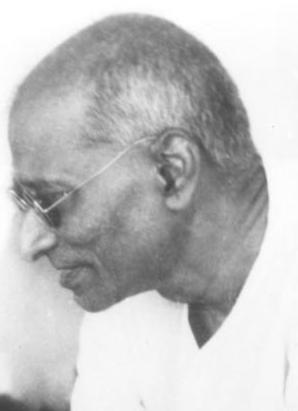
Chakravarthy Rajagopalachari (Image courtesy wikipedia)

Gandhi and Kasturba were married in 1883 when Gandhi was 13 and Kasturba 14. First son Harilal was born in 1888 when Kasturba was 19. Jawaharlal and Kamala were married in 1916 when Jawaharlal was 27 and Kamala was 16. Indira Gandhi was born 1917 when Kamala was 17.

About Patel, here is Rajmohan Gandhi himself, "Vallabh must have been 17 or so at his own wedding. Jhaverba, the bride Ballabh's parents, uncles and aunts had chosen for him, was 12 or 13". Patel "seldom talked" about his wife says Rajmohan Gandhi. Jhaverba, like Kamala, died young.

Lal Bahadur Shastri and Lalita were married in 1928 when Shashtri was 24 and Lalita was 17. Rajendra Prasad was married when he was 12 years old. Rabindranath Tagore married Mrinalini Devi in 1883 when he was 22 and she was 10. Tagore not only had a child-wife but gave one of his daughters in a similar marriage. Bharathiar too had a child-wife. Tilak, we learn, was married when he was 16. I'm sure his wife was not 17, to say the least. Sarvapalli Radhakrishnan married Sivakamu in 1903, he was 16 and she was 10.

On a personal note, my maternal grandmother was married to my grandfather when she was a child. Her elder sister who had earlier married my grandfather had died leaving behind two children. So my grandmother was taken around during a festival and before she knew what was happening she was married off. Sadly, she became a widow in her early 20s and by the time she herself had had 5 children, 4 daughters and a boy. The youngest child was barely 6 months old. Two blessings she had. One was that my grandfather left behind considerable property and two was that she was not Brahmin but a Mudaliar. Her brother had in the meantime married a Christian under the DK self-respect marriage movement in the late 1930s. This brother ensured that the sister did not endure traditional horrors of widowhood that, while not as horrendous as Brahminical customs, were still horrible. Rajah happily talked of how widows were treated in Dharmic law without a word about the horrible state of widows until very recent times. My maternal grandmother, named Janaki, would in later years allude to her name and say "well anyone named Janaki has to suffer".

On and on and on the story goes. Many of these leaders, almost all, were upper caste, mostly Brahmins. To be fair to them most, except Tagore and Bal Gangadhar Tilak, decisively turned against child marriage in later years. The passage of reform bills relating to marriageable age for girls roiled the Hindu community much like how gay marriage bills are roiling the Christian societies of the west today. This is a comment not meant to say one religion or the other was blemish free and egalitarian. No. Not at all. No society is egalitarian to begin with. It is a journey. What I've distaste for is the jingoism that is coloring intellectual discourse in India today where anything past is presented as idyllic and everything in the present is traced back to extremely tenuous precedents of the past. I'll write a detailed critique of Rajah's address later.

Now, I contrasted the marriages of America's founding fathers.

Here's another fact to muse. We know more, much more, about Martha Washington than we do of Rajendra Prasad's wife. George Washington was married to Martha Dandridge in 1759, he was 27 and she was 28. Even more surprisingly, Martha was a widow and her husband had died only 2 years earlier. George Washington married a widow.

Thomas Jefferson and Martha Wayles were married in 1772. He was 29, she was 24 and a widow. Martha Wayles's was first married when she was 18 and widowed at 20.

The marriage of John and Abigail Adams is the stuff of legend. Their marital relationship has been studied a lot and Abigail holds a special position in the history of America's first ladies. He was 29 and she was 20 when they married in 1764.

Alexander Hamilton married Elizabeth Schuyler in 1780, he was nearly 25 and she was 23. Benjamin Franklin and Deborah Read married in 1730, he was 24 and she was 22 and a divorcee. Deborah had first married when she was 12 and separated from her husband at 17 in 1722.

It is interesting to note that these ladies all have pretty detailed wikipedia pages which only tells us that we know a good lot about them. While the Indian independence movement created a tectonic shift in how women were treated and charted a progressive course this short perspective gives us an idea of the place of women and the institution of marriage in that era in India. Barring Jawaharlal Nehru most Indian male leaders lacked a good relationship with women. Nehru loved women and women loved him back. Nehru loved women as mother, sister, daughter, friends and love interests too. Nehru, a westernized mind, was at ease with a woman who can share a swimming with him or a cigarette. To the prurient mind that is evidence of him womanizing and to the normal mind it is evidence of a man who related to fellow human beings.

Now, back to Rajmohan Gandhi as biographer and other observations.

Referring to the Brahmins, the caste to which Rajaji belonged, Rajmohan writes, "the quick minded Brahmins of South India". Ramachandra Guha writing about Gandhi going to England has this curious observation about the Brahmins and others. "Some brave Brahmins and Kshatriyas had also ventured overseas. The first valued textual learning (a sphere in which the West was clearly in the lead); the second were keen to acquire British manners and this ingratiate themselves with the overlord". What is it with these upper caste biographers of India that they, despite their education and the modern liberalism that surrounds them, could not help betraying their own caste prejudices? Ironically today Tamil Brahmins uniquely blame Nehru for being a westerner. Gandhi very eagerly aped the Englishman. Brahmins formed the bulwark of British administrative machinery thus earning the scorn of Brahmin and nationalist poet Bharathi. Bharathi mocked his fellow Brahmins for toadying up to the Englishman as lord.

So, how intelligent was this "quick-minded Brahmin" Rajaji. He failed in Tamil test. Interestingly that did not prevent him from graduating. Not too later Brahmin dominated Madras university syndicate would relegate study of Tamil to vernacular status. Rajaji passed in the 'second division' with 218/400 marks. Some quick mind that was. Later he passed the law exams in, lo behold, 'third division'. Put simply the quick-minded South Indian Brahmin was a below average student. I'm literally rubbing it in so it grates the minds of those who glibly pass through such passages and when pointed out cry 'nit picking'. Both Gandhi and Nehru too were very average students. Patel, was a better graduate and won a prize. Contrast this with the most academically accomplished leader of that era, Dr. B.R. Ambedkar. Gandhi, Nehru and Rajaji, their academic performances not withstanding were intellectual giants in later life.

I'm only trying to draw attention to biases of biographers. Rajmohan Gandhi and Ramachandra Guha, to be sure, are NOT bigots or casteist. They also lay out facts. A hagiography, which is what Rajmohan Gandhi's work is, is not propaganda. A hagiography misses opportunities for wider historical narratives that better contextualize the actions of the subject and that is what distinguishes a biography from hagiography. Hagiography will not contain blatant falsification or perversions of facts, if it did so it'd become propaganda or at worst a fiction. Guha and Gandhi are too decent for that.

When we read a book we bring to it a complex set of tools. Our own life experiences, our readings, our biases, our values all play a role in understanding the text. One can argue with my interpretations or even disagree but they've to establish a reasoning for doing that. Likewise I'd have to return such courtesy.

A common taunt I've seen Tamil Brahmin Hindutva employ towards Christians is "rice-converts". This is an interesting taunt. To the Tamil Brahmins who have been effectively marginalized as a political group in Tamil Nadu the advent of BJP provided a platform and a vent for long suppressed anger and habitual casteism. Unable to mock (or sometimes genuinely unwilling) other lower castes in Hinduism, their usual punching bags, they've now turned to mocking other religions, notably Christians, of whom a vast majority are Dalits. It is beyond the pale that they would employ such a loaded term for mocking. But the term has a history.

Manga, Rajmohan Gandhi writes, gave alms on Saturday, "Manga stored cereals for the purpose in tin vessels near the front door: rice for the Brahmins, and harder grain, rage or kambu for the others". Imagine that scene for a moment. She's not giving it personally. She just leave the vessels by the door. It's not only an honor system but a system reflective of, as Rajah would put it,  a 'Dharmic' system. I wonder if any lower caste man or woman would've had the temerity to pinch rice from the rice vessel or if a Brahmin would indeed have touched with his left foot the ragi vessels? What ensures that each pick their own? A centuries old 'Dharmic' system. This imagery was a realization only as I started typing the passage. This is why I always consider writing and debating as occasions that provide greater realizations.

Reading Mary Beard's SPQR and about slave revolts in ancient Rome I was reminded of K.A. Nilakanta Sastry's 'History of South India' where he'd have mused about the Varnashrama system and about the lack of friction while also acknowledging lack of records. Records, in India, were mostly written by Brahmins at the employ of Kshtariyas. Sure, one could make the case that Varnashrama kept the peace but there's a price for that peace and that often is forgotten or is intentionally white-washed.

The opening chapter on Rajaji dealing with early life also gives an idea of how advantageous it was to be a Brahmin. Attending a school in Bangalore Rajaji stand at a hostel for Brahmins. A lower caste boy could not only ill-afford schooling at a town that was not his home town he, I'm omitting 'she' because that was unthinkable, would not at all find places to stay. In college also he used a hostel run by one Biligiri Iyengar for "students from Mysore". The biographer did not give details as to how a Thorapalli born Iyengar stayed there. Possibly as a student coming from a Bangalore school he got in. The point being the network that he was able to tap simply because of an accident of birth and in no way connected whatsoever to any academic distinction which, of course, he showed nothing of. "Being Brahmin, being modern" by Ramesh Bairy goes into the advantages of being Brahmin in the Mysore state in great detail. Educational policies well into the 1950s were tilted to the advantage of Brahmins.

With that backdrop think of how Rajaji happily introduced the educational reform bill that eventually led to not only his downfall but to him being vilified, very unjustifiably, as a casteist Brahmin. Casteist Brahmin Rajaji surely was not. The opening chapter alone cites incidences of Rajaji standing up for Dalits and associating, much to the chagrin of his community, with Muslims. But it is also undeniable that Rajaji, a child of privilege, did not bring to the issue the understanding and compassion that Kamaraj, an illiterate non-Brahmin, did.

Rajaji's bill nonchalantly advised students coming from "occupational communities" to go home, when school is over for the day, to learn crafts from their father. The girl children were advised to learn from their mothers. The language reeks of arrogant Brahminism. Even in the face of mounting political opposition Rajaji, who became Chief Minister without facing an election and never understood the principles or spirit of democracy, dug in his heels and became even more obdurate. On this most pivotal event Rajmohan Gandhi completely fails as biographer because he's not one. Where Rajaji was more intent on balancing the budget and cheerfully sacrificing educational progress for the citizenry Kamaraj, shaped by his life, was more revolutionary. Notably, the panel set up by Kamaraj was headed by N.D. Sundaravadivelu, a non-Brahmin.

I had earlier written on Facebook about this.

According to the orders passed (see https://web.archive.org/…/ww…/cd50years/g/12/28/12280V01.htm and https://web.archive.org/…/ww…/cd50years/g/12/28/12281301.htm) school hours were to be shortened and the orders said that children could learn crafts from their fathers and girl children could help their mothers at home. The language in the orders is patriarchal, patronizing and rests on a very romantic notion of learning crafts. 
Rajmohan who had a privileged upbringing like his subject could not fathom why that order, passed by a devout Brahmin in a country like India, which even then, like today, was deeply mired into casteism, could be seen as casteist order. Failing to appreciate the opposition and to present the opposition as mere blind opposition is a failure of Rajmohan as biographer but then he's no biographer or historian. Let me make this clear, giving sources, adopting academic looking references, supplying quotes etc alone are not sufficient to make anyone a historian or a biographer. By that token this incognito blogger too could claim that status. I know my limits. 
What is worse Rajmohan Gandhi inserts language that the even the order did not intend. He writes, "school children would spend the two hours gifted to them in learning creative skills from parents, relations and neighbors". One, village craftsmen were anything but creative artists. This is chicanery that only an upper caste biographer talking about a upper caste subject, his own grandfather, could happily say. Referring to girls learning from mothers this biographer wannabe doesn't even realize that most of those mothers (and even in Brahmin households) were illiterate and could impart nothing of educational value to a girl child. Now contrast this with how Nehru treats his sisters. Nehru writes to his sisters letter after letter about books to read and he discusses with them as equals. That is the difference between a well intentioned man who nevertheless remained a Brahmin patriarch at heart and a truly progressive Brahmin who could break free of his mould.

As Tamil Nadu reeled under food rationing Rajaji advised people in a broadcast to 'pray for rains'. When Nehru visited a famine ravaged part of India the people, as usual, were cheering his name and he cried "I've failed you and I don't deserve this". Nehru sent letters to US and Russia pleading for help. Finally it was Indira Gandhi who, facing humiliating conditions that US stipulated for famine relief, launched Green Revolution and ended the sad cycle of famines in India. But then Nehru, unlike Rajaji, was a Brahmin only in name and to Nehru his caste and religion were accidents of birth that he did not put much stock in. This is not to say Nehru, as it is alleged today, was divorced from his heritage or the heritage of the country he was born in. Nehru's ashes, after his cremation, were sprinkled, per his instructions, upon the Himalayas and immersed in Ganges.

Oh and one final note. Let us not learn about Rajaji in order to pelt stones at Nehru or learn about Ambedkar to vilify Gandhi or read Gandhi to act sanctimonious about Ambedkar. Let us learn about these great men because they all deserve to be studied and learned about. Let us discover something of ourselves in that process, good and bad. Let there be passionate intellectual discourses with passion for just knowledge and facts, not bigotry.

Let us set the record straight on Rajaji against the decades old hate filled propaganda but let's do it honestly without white-washing his history or using him as foil to besmirch others, especially Jawaharlal Nehru.

References:


  1. Rajaji: A life - Rajmohan Gandhi
  2. Gandhi: Before India - Ramachandra Guha
  3. Patel: A life - Rajmohan Gandhi
  4. Radhakrishnan: A Biography - Sarvepalli Gopal
  5. Being Brahmin, Being Modern: Exploring the lives of Caste today - Ramesh Bairy
  6. https://en.wikipedia.org/wiki/George_Washington
  7. https://en.wikipedia.org/wiki/Martha_Washington
  8. https://en.wikipedia.org/wiki/Thomas_Jefferson
  9. https://en.wikipedia.org/wiki/Martha_Jefferson
  10. https://en.wikipedia.org/wiki/John_Adams
  11. https://en.wikipedia.org/wiki/Abigail_Adams
  12. https://en.wikipedia.org/wiki/Alexander_Hamilton
  13. https://en.wikipedia.org/wiki/Elizabeth_Schuyler_Hamilton
  14. https://en.wikipedia.org/wiki/Benjamin_Franklin
  15. https://en.wikipedia.org/wiki/Deborah_Read


Tuesday, November 14, 2017

காந்தியை, பாரதியை, நேருவை ஏற்பதும் ஈ.வெ.ராமசாமியை நிராகரிப்பதும்

முதுகுளத்தூரில் கலவரச் சூழல் நிலவிய போது ஈ.வெ.ரா சொன்னார், “முதுகுளத்தூரில் நடக்கும் ஜாதிச் சண்டையை நிறுத்த நான் என் கருப்புச் சட்டைப் படையை அனுப்ப மாட்டேன். அங்கே போய்ச் சும்மா சாகவா? அல்லது தமிழனைத் தமிழன் சாகடிக்கவா? ஜாதிகள் ஒழிந்தாளொழிய சண்டைகள் தீராது”. இந்து-முஸ்லிம் கலவரங்களை அடக்கத் தன் உயிரை பணையம் வைத்த மகாத்மா என் மனக்கண்ணில் ஒரு நிமிடம் வந்து மறைந்தார். மேலும் யோசிக்கையில் என் ஆதர்சங்களான காந்தி, பாரதி, நேரு ஆகிய மூவரிடத்திலும் நான் கண்டு வியக்கும் குணாதிசியங்களோடு ஈ.வெ.ராவின் அரசியலை ஒப்பு நோக்கினால் எனக்கு ஏன் ஈ.வெ.ரா மீது பற்றுதல் மட்டுமல்ல மரியாதையும் வரவில்லை என்பது புலனானது. 


கலவர பூமியில் காந்தி: 

நவகாளியும் பீகாரும் மதக் கலவரங்களால் ரத்த பூமியானது. நவகாளியில் இந்துக்கள் கொல்லப்பட்டனர், அதற்குப் பதிலடியாகப் பீகாரில் முஸ்லிம்கள் கொல்லப்பட்டனர். நேரு பீகாரில் முகாமிட்டார். காந்தி நவகாளி நோக்கிச் சென்றார். நவகாளி சென்ற காந்தி டிசம்பர் 5-ஆம் தேதி ஓர் அறிக்கையில் "நான் எந்த முடிவுக்கும் தயாராக இருக்கிறேண். 'செய்' அல்லது 'செத்து மடி' என்பது பரிசோதிக்கப்பட வேண்டிய இடம் இங்கே. 'செய்' என்பது இந்துக்களும் முஸ்லிம்களும் இணக்கமாகவும் அமைதியாகவும் வாழக் கற்பது. இது நடக்காவிட்டால் அந்த முயற்சியில் நான் செத்தும் போகலாம்". 


லூயி பிஷர் எழுதுகிறார், "காந்தி நவகாளி யாத்திரையின் போது 49 கிராமங்களில் தங்கினார். காலை 4-மணிக்கு எழுந்து 3 அல்லது 4 மைல் தூரம் வெறுங்காலில் கிராமங்களில் நடப்பார், ஆங்காங்கே ஒன்றிரண்டு நாட்கள் தங்குவார், கிராமத்தாரோடு பேசுவார், விடாது ஜெபிப்பார் பிறகு அடுத்தக் கிராமத்துக்குச் செல்வார். ஒவ்வோர் இடத்திலும் ஏழைக் குடிசை ஒன்றின் முன் நின்று, பொதுவாக முஸ்லிம்களின் குடிசை, தங்குவதற்கு அனுமதி கேட்பார். ஆனுமதி கிடைக்காவிட்டால் அடுத்தக் குடிசைக்குச் செல்வார். நவம்பர் 7 1946 முதல் மார்ச்சு 2 1947 வரை இது தான் அவரது வழக்கம். அவருக்கு வயது 77". இவருக்கு நான் கொடுக்கும் மரியாதையில் பத்தில் ஒரு பங்கை கூட ஈ.வெ.ராவுக்கு என்னால் கொடுக்க முடியாது. 

மவுண்ட்பாட்டன் மமதையோடும் முன் யோசனை ஏதுமின்றியும் தெரிவித்து விட்ட சுதந்திர தேதியை நோக்கி இந்தியாவும் பாகிஸ்தானும் வரலாறு காணாத மனித இடப் பெயர்வுக்கிடையே, கிழக்கிலும் மேற்கிலும் வடக்கிலும் கலவரங்கள் வெடிக்க, விடுதலை நாளை நோக்கி நகர்ந்தன. எல்லோர் மனதிலும் பெரும் அச்சம் விளைவித்தது ஒரேயொரு கேள்வி மேற்கு வங்கத்தில் கலவரம் எவ்வளவு மோசமாக இருக்கும் என்பது தான். ஆகஸ்டு 16 1946-இல் ஜின்னாவின் 'நேரடிச் செயல் தினம்' அறைகூவலின் விளைவாக நடந்த கலவரத்தில் பெருமளவு இந்துக்கள் கொல்லப்பட்டனர். இப்போது முஸ்லிம்களின் முறையாக இருக்கும் என்று எல்லோரும் அஞ்சினர். கலவரத்தை அடக்கப் போதுமான அளவு ராணுவம் இல்லை. ஆகஸ்டு 9 1947 காந்தி கல்கத்தா வந்தடைந்து ஒரு முஸ்லிம் வீட்டில் சுராவர்தியோடு தங்கினார். 

ஆகஸ்டு 31-ஆம் தேதி அவர் தங்கிய வீட்டை ஒரு கலவர கும்பல் முற்றுகை இட்டது. காந்தியை தாக்க வந்த ஒரு ரவுடியை காந்தியே நேரடியாக எதிர்கொண்டு வணக்கம் சொல்ல அந்தச் சமயம் வீசப்பட்ட செங்கல் காந்தியருகே நின்றிருந்த இன்னொருவரைத் தாக்கியது. அடுத்த நாள் காந்தி சாகும் வரை உண்ணாவிரதம் அறிவித்தார். அவருக்கு வயது 78. செப்டம்பர் 4-ஆம் தேதி காந்தி உண்ணாவிரதத்தை முடித்த போது கல்கத்தா பெருமளவு அமைதிக்குத் திரும்பியது. கலவர கும்பல்கள் காந்தியின் காலடியில் தங்கள் ஆயுதங்களை ஒப்புவித்து அமைதி அறிக்கையில் கையெழுத்திட்டனர். இன்று அங்கிருக்கும் அருங்காட்சியகத்தில் அந்த ஆயுதங்களில் சில பார்வைக்கு வைக்கப்படுள்ளன. 

Weapons Surrendered to Gandhi at Hydari Manzil

காந்தி அசகாயச் சூரர் அல்லர். அவர் ஒன்றும் ஒற்றை ஆள் ராணுவமும் கிடையாது. நவகாளி யாத்திரை வெற்றி என்று சொல்ல முடியாது. ஆனால் அதற்காகச் சோராமல் தான் கல்கத்தா சென்றார். 'சத்தியாகிரஹிக்குத் தோல்வி கிடையாது' என்பார் காந்தி. அவர் கர்ம வீரர். மீண்டும், மீண்டும் மக்களின் மீதும் மனிதனின் இதயத்தில் ஒளிந்திருக்கும் நல்லியல்பை தன்னால் தீண்டி விட முடியும் என்ற நம்பிக்கையும் அப்படி முடியாவிட்டால் அந்த முயற்சியில் தன் உயிர் போவதே ஒரு சத்தியாகிரஹி செய்யக் கூடியது என்று நம்பியதோடல்லாமல் அப்படியே நடந்தார். இவர் எங்கே, கலவரம் வெடிக்கும் நிலையில் இருக்கும் ஒரு கொந்தளிப்பான சூழலில் 'நான் போக மாட்டேன்' என்று வெட்டி அறிக்கை விட்ட வைக்கம் வீரர் எங்கே? 

காந்தி ஜெயந்தி வரும் போதெல்லாம் இந்தப் பெரியாரிஸ்டுகளின் தொல்லைத் தாங்க முடியாது. ஈ.வெ.ரா என்றோ எழுதினாராம் காந்தியின் உயிருக்கு உயர் ஜாதியினரால் தான் கேடு வருமென்று. முக்காலமும் உணர்ந்த 20-ஆம் நூற்றாண்டி நாஸ்டிராடாமஸ் ஈ.வெ.ரா. இன்னும் கொஞ்சம் தேடினால் 2016 அமெரிக்கத் தேர்தலில் ஹிலாரியை மத அடிப்படைவாதிகளும் அமெரிக்க மனுவாதிகளும் தோற்கடிப்பார்கள் என்றும் கூட ஈ.வெ.ரா எழுதி வைத்திருப்பதைக் கண்டடையலாம். யார் கண்டது. 

காந்தியின் உயிருக்கான அச்சுறுத்தல்கள் வெகு காலமாகவே இருந்து வந்திருக்கிறது. ஜோசெப் லெலிவெல்ட் காந்திக்கு எதிராக மக்கள் திரும்பிய தருணத்தைத் துல்லியமாகக் கூறுகிறார். பூனா ஒப்பந்தத்திற்குப் பிறகு காந்திதீண்டாமைக்கெதிராக ஒரு மாபெரும் நடை பயணம் மேற்கொண்டார். அந்தப் பயணத்தில் காந்தி அரசியல் பற்றிப் பேசுகிறாரா எனகண்காணிக்க ஆங்கிலேய அரசு உளவுப் போலீஸாரை நியமனம் செய்தது. அவர்களின் குறிப்புகள் கூறுகின்றன காந்தி செல்லுமிடமெல்லாம்தங்களை ‘சனாதன இந்துக்கள்’ எனக் கூறிக்கொண்டவர்கள் காந்தியை நோக்கி “செத்துப் போ” என்று கூவுவதும், அவர் சென்ற ரயிலைக்கவிழ்க்கப் பார்த்ததும், அவர் மேல் காறி உமிழ்ந்ததும், கொலை முயற்சிக் கூடச் செய்ய முயன்றதும் எனப் பல செயல்களில், இஸ்லாமியரோ மற்றவரோ செய்யத் துனியாத செயல்களில், ஈடுபட்டனர். 

காந்தியை போன்ற ஒரு வாழ்க்கை நோயினாலோ வெறும் இயற்கை மூப்பினாலோ முடிவது வரலாற்று நியாயமே அல்ல. மானுடத்துக்காக வாழ்ந்த உயிர் மானுட சேவைக்கு அர்ப்பணிப்பாகத் தன் கடைசிக் குருதியையும் சிந்தி தான் முடிய வேண்டும். அது தான் அழகு. தன் பேத்தி மனுவிடம் காந்தி சொன்னார் "நான் நோயுற்று இறந்தால் நீ கூரை மீதேறி நான் பொய்யான மகாத்மா என்று கூவிச் சொல்ல வேண்டும். அப்போது தான் என் ஆன்மா சாந்தியடையும். மாறாக ஒரு வெடியினாலோ யாரோ ஒருவனின் துப்பாக்கிக் குண்டை என் வெற்று மார்பில் ஏற்று ராமனின் பெயரைச் சொல்லி இறந்தால் தான் நான் மகாத்மா". இவர் எங்கே தனக்குத் தானே சிலைகளை நிறூவி தானே அதைத் திறந்து வைத்து களிக் கொண்ட ஈ.வெ.ரா எங்கே? 

உயர் ஜாதியினர் மலம் அள்ளுவார்களா என்று இன்று பெரியாரிஸ்டுகள் போஸ்டர் ஒட்டி புரட்சி செய்கிறார்கள். காந்தியும், காந்தியின் ஆஸ்ரமத்தாரும் மலம் அள்ளுவதை வாடிக்கையாகவே கொண்டிருந்தனர். யார் மலம் அள்ளுவது என்பதைத் தாண்டி இந்தியர்களின் பெரும்பாலோர் கழிப்பறை வசதிகளின்றிப் பொது வெளியில் மலம் கழித்துச் சுகாதாரமின்மையால் நோய்களால் பாதிக்கப்படுவதைத் தடுக்க ஒவ்வொரு கிராமத்துக்குப் போகும் போதும் எளிய முறையில் கழிப்பறை அமைப்பதெப்படி என்று பாடமெடுப்பார் காந்தி. 

காந்தியின் அரசியல் வளர்ச்சிக் குறித்து எழுதிய நூலில் ஜூடித் பிரவுன் சம்பாரன், கேதா, அகமதாபாத் போராட்டங்கள் பற்றியும் அவை ஒவ்வொன்றிலும் ஒவ்வொரு போராட்ட முறையைக் கையாண்ட விதம், சாமனியர்களோடு காந்தி உறவாடியது, உள்ளூர் பிரச்சினைகளை முதலில் கண்டறிந்து அதற்கேற்ப தன் வியூகத்தையும் தீர்வுகளையும் வகுத்துக் கொள்ளும் திறன், வெறும் கூலிப் போராட்டங்களாக அவை முடிந்து விடாமல் அங்கிருக்கும் வாழ்வியல் முறைகளைத் தொகுப்பாக ஆராய்ந்து மேம்படுத்த முயன்றது என்று பல கோணங்களில் பிரவுன் காந்தி தலைவராக முகிழ்ந்ததைச் சொல்லியிருப்பார். நம் கல்வி முறையில் காந்தி சம்பாரனுக்குச் சென்றார் விவசாயிகளுக்கு ஏதோ நல்லது நடந்தது என்று படித்து மனனம் செய்து ஒப்புவித்து நமக்கும் வரலாறு தெரியும் என்று சொல்லிக் கொள்கிறோம். 

முதுகுளத்தூர் கலவரத்திடையே ஈ.வெ.ரா 'விடுதலை' பத்திரிக்கையில் எழுதுகிறார், "சாதி ஒழிபடவேண்டுமா வேண்டாமா? என்பதை முடிவு செய்து கொள்ளுங்கள். தூக்குக் கயிற்றுக்கு உங்களைத் தயாராக்கிக் கொள்ளுங்கள். இளைஞர்களாயிருப்பவர்கள் இரத்தத்தில் கையெழுத்துப் போட்டு அனுப்புங்கள், காந்தி சிலையை உடைக்கிறேன், பார்ப்பானை ஒழிக்கிறேன் என்று". (முதுகுளத்தூரில் கலவரம் தலித்துகளுக்கும் தேவர்களுக்கும் தான் என்பதை இங்கே குறிப்பிட வேண்டும்). 

உண்மையில் என்னால் ஈ.வெ.ராவை எந்த விதத்திலும் மரியாதையோடு நோக்க முடியவேயில்லை. 

பாரதி: 

(முன்பொரு முறை சீனி விசுவநாதனின் 'கால வரிசையில் பாரதி படைப்புகள்' தொகுதிப் பற்றி எழுதியதில் இருந்து சில குறிப்புகள்)

கல்வியைப் பற்றி நிறைய எழுதிய பாரதி மீண்டும் மீண்டும் மேற்கத்திய விஞ்ஞான முன்னேற்றங்களை இந்தியர்கள் கற்கவேண்டுமென்று விரும்புகிறான். ஜகதீஷ் சந்திர போஸின் உரைகளைக் கவனமாகப் பின் தொடர்ந்து அவ்வப்போது அதைத் தமிழ்வாசகர்கள் படிக்கும் பொருட்டு மொழிப்பெயர்த்துத் தருகிறான் பாரதி. 

1916-இல் ‘லோக குரு’ என்ற தலைப்பிலான கட்டுரையில் போஸின் ஆராய்ச்சி பற்றித் துல்லியமாக ஒரு பத்தியில் எழுதிவிட்டுஅவரிடமுள்ள கருவிகளின் மேன்மைக் குறித்தும் எழுதிப் பிறகு “இப்போது “ஸயின்ஸ்’ பயிற்சியில் இவ்வளவு தீவிரமாக மேன்மைபெற்று வருகிறோம்; காலக் கிரமத்தில் தலைமை பெறுவோம்” என்கிறார். (Vol 9 page 500). 1917-இல் ‘உயிரின் ஒலி’ என்ற கட்டுரைபோஸ் தன்னுடைய ஆராய்ச்சிக்கூடத்தைத் திறந்து வைத்து தன் கண்டுபிடிப்பு பற்றி ஆற்றிய உரையைச் சரளமாகவும் விஞ்ஞானக்கருத்து சிதையாமலும் அப்படியே தருகிறார் பாரதி. (Vol 10 page 446). அந்தச் சுருக்கமான கட்டுரையால் திருப்தியுறாத பாரதி பின்னர்போஸின் முழு உரையையும் மொழிப் பெயர்த்து 1918-இல் ‘ஜீவ வாக்கு’ என்னும் 20 பக்க வெளியீடு ஒன்றை பிரசுரிக்கிறான். இவைவெறுமனே மொழிப் பெயர்ப்புகளல்ல. தெளிந்த நீரோடைப் போன்ற நடையில் சராசரி தமிழ் வாசகன் உயரிய விஞ்ஞான ஆய்வுமுடிவுகளைப் புரிந்து கொள்ளும் வண்ணம் எழுதியது முக்கியம். பாரதியின் சமகாலத்தவர் எவர் இதனைச் செய்தார்கள் என்று சீர் தூக்கிப்பார்ப்பது அவசியம். தென் கோடியில் வறுமையில் உழலும் வேற்று மொழி பத்திரிக்கையாளன் போஸின் இந்த உரைகளைத் தன்சமூகம் வாசிக்க வேண்டி செய்கிறன். கவனிக்கவும் ஐன்ஸ்டீனோடு நேரில் உரையாடக் கூடிய வசதியும் வாய்ப்பும் பெற்ற தாகூர் கூடச்செய்யாதது இது. 

“அன்ன யாவினும் புண்ணியம் கோடி ஆங்கோர் ஏழைக் கெழுத்தறி வித்தல்” என்றவன் “இத்தகைய கல்வி கற்பிப்பதில் பிள்ளைகளிடம்அரையணாக்கூடச் சம்பளம் வசூலிக்கக் கூடாது” என்று எழுதியதில் வியப்பில்லை. 
 

தாகூர் தன் செல்வத்தைக் கொண்டு உலகெலாம் சுற்றிப் பொருள் சேர்த்தும் விஸ்வபாரதி பல்கலையை நிறுவினார். ஆயினும் அவரைவிட மிகத் தீர்க்கமாகக் கல்வியைப் பற்றி நடைமுறை படுத்த கூடிய முக்கியமான யோசனைகளைப் பாரதி முன்மொழிகிறான். ‘தேசியக்கல்வி’ என்ற தலைப்பிலான கட்டுரையில் ஆரம்பப் பள்ளி ஆசிரியர்களாக மெட்ரிகுலேஷன் படித்தவர்கள் போதும் என்றும், கற்பிக்கவேண்டிய பாடங்களாகச் சரித்திரம், பூகோளம், தத்துவம், வரி விதிப்பு, பிராந்திய வரலாறு என்று பட்டியலிட்டுப் பின் ‘ஐரோப்பியஸயன்ஸின் ஆரம்ப உண்மைகளைத் தக்க கருவிகள் மூலமாகவும்” என்று சேர்க்கிறான். மேலும் “பௌதிக சாஸ்த்திரங்கள் கற்றுக்கொடுப்பதில் மிகவும் தெளிவான எளிய தமிழ் நடையில் பிள்ளைக்கு மிகவும் ஸுலபமாக விளங்குபடி சொல்லிக் கொடுக்க வேண்டும்.” என்கிறான். பாடங்கள், குறிப்பாக அறிவியல் சொற்கள் எப்படித் தமிழ்ப்படுத்துவது என்றும் தெளிவாகச் சொல்லியுள்ளான். கற்றுக்கொடுத்தலையும் மாணவனின் சௌகரியம் ஆகியவற்றை மட்டுமே கருத்தில் கொண்டு தமிழ், சமஸ்கிருதம், ஆங்கில மூலச் சொற்கள்எப்படிப் பயன்படுத்துவது என்று நடைமுறைவாதமாகச் சொல்கிறான். “யாத்திரை” (excursion) படிப்பில் ஓர் அங்கமாகவேண்டுமென்கிறான். இந்துக்கள் அல்லாத மாணாக்கர்களின் மதப்போதனை அவரவர்களின் மத நம்பிக்கையை ஒத்ததாகவும்“அன்னிய மதத் தூஷனை” இல்லாததாகவும் இருக்க வேண்டும். சாந்தினிகேதனில் விஞ்ஞானத்திற்கு இடமில்லை. தாகூரின் கல்விபற்றிய கொள்கைகள் மிகவும் பின்தங்கியவை, மேற்கை நிராகரிக்கும் மும்முரமே அதில் இருந்தது. தாகூர் தேசிய கல்வி பற்றி எழுதிய கவிதையைப் பாரதி மொழிப் பெயர்த்து வெளியிட்டுள்ளான். அக்கவிதையில் விசேஷமாக ஏதுமில்லை. சாரமில்லாத கனவு. 


'ஆகா வென்று எழுந்தது பார் யுகப் புரட்சி ' என்று ரஷ்யப் புரட்சியைப் பாராட்டிய பாரதி லெனின் மற்றும் கம்யூனிஸம் குறித்தும் மேலும் விரிவாக ‘செல்வம்’ என்ற தலைப்பிட்ட ஏப்ரல் 23 1920-இல் வெளியான கட்டுரையில் பேசுகிறான் (http://geotamil.com/index.php?option=com_content&view=article&id=426:2011-10-14-02-34-09&catid=28:2011-03-07-22-20-27

“எந்தக் காரணத்தைக் குறித்தும் மனிதருக்குள்ளே சண்டைகளும் கொலைகளும் நடக்கக் கூடாதென்பது என்னுடைய கருத்து. அப்படியிருக்க ஸமத்வம், ஸகோதரத்துவம் என்ற தெய்வீக தர்மங்களைக் கொண்டோர் அவற்றைக் குத்துவெட்டு பீரங்கி துப்பாக்கிகளினால் பரவச் செய்யும்படி முயற்சி செய்தல் மிகவும் பொருந்தாத செய்கையென்று நான் நினைக்கின்றேன்..” 
“..'கொலையாளிகளை அழிக்கக் கொலையைத் தானே கைக்கொள்ளும்படி நேருகின்றது. நியாயம் செய்வோரை அநியாயத்தாலேதான் அடக்கும்படி நேருகிறது' என்று ஸ்ரீமான் லெனின் சொல்லுகிறார். இது முற்றிலும் தவறான கொள்கை. கொலை கொலையை வளர்க்குமே ஒழிய அதை நீக்க வல்லதாகாது. அநியாயம் அநியாயத்தை விருத்தி பண்ணுமேயொழிய குறைக்காது. பாபத்தைப் புண்ணியத்தாலே தான் வெல்ல வேண்டும். பாபத்தைப் பாபத்தால் வெல்லுவோம் என்பது அறியாதவர் கொள்கை..."
“பார்ப்ப னக்குலங் கெட்டழி வெய்திய பாழ டைந்த கலியுக மாதலால்” என்றும் “போலீசுக்கார பார்ப்பானுக்கு உண்டதிலே பீசு” எழுதியவன் ஒரு பகடியில் பிராமணர்கள் உஞ்சவிருத்தி தான் செய்யத் தெரியுமே தவிர வேறு கைத்தொழில் தெரியாதவர்கள் என்று எழுதுகிறான்.  

அக்காலத்தில் பிராமண எதிர்ப்பை மூலதனமாகக் கொண்டு அரசியல் சக்தியாக உருவெடுத்த ஜஸ்டிஸ் கட்சியினரை ஆங்காங்கே நிராகரித்தே எழுதுகிறான். “பிராமணர்களைப் பகைப்பதே மனித ஜன்ம மெடுத்ததின் பரம லட்சியமென்றும், தனிப் பெருங்கடமை யென்றும் நினைக்கும் “பிராமணரல்லாதார்” என்ற புதியதோர் எதிர் மறை நாமம் பூண்டு வெளிப்பட்டிருக்கும் ஸ்வதேச விரோதிகள்” என்று ஒரு நூற்றாண்டுக்கு முன்பே ஆரூடம் போல் எழுதியிருக்கிறான்.  

“ஆறிலொரு பங்கு” கதையின் முகவுரையில் பாரதி “நமக்கெல்லாம் உணவு கொடுத்து ரட்சிப்பவர்களாகிய பள்ளர், பறையர் முதலிய பரிசுத்த தன்மை வாய்ந்த வைசிய சகோதரர்களுக்கு அர்ப்பணம்” செய்கிறான். 

“காதலினால் மானுடர்க்குக் கலவியுண்டாம், கலவியினால் கவலைத் தீருமாம்” என்று எழுதியவன், விதவையாகி விட்டதாலேயே காம உறுப்புகள் மறைந்து விடுமா அல்லது காம உணர்வுகள் தான் மடிந்து விடுமா என்று கடுமையாகக் கேட்டான். 1920-இல் அதை எழுதுவதற்குத் தைரியம் வேண்டுமென்பதை சொல்லவும் வேண்டுமோ?  

‘பெண் விடுதலை’ என்று தலைப்பிட்டக் கட்டுரையில், ‘பிறருக்குத் தீங்கில்லாமல் அவனவன் தன் இஷ்டமானதெல்லாம் செய்யலாம் என்பதே விடுதலை’ என்று ஹெர்பர்ட் ஸ்பென்ஸர் சொன்னதை முன் மொழிந்து பென் விடுதலைக்கான ஆரம்பப் படிகளைப் பட்டியலிடுகிறான்: இஷ்டமில்லாத புருஷனை விவாகம் செய்ய வற்புறுத்தக் கூடாது, விவாகரத்திற்கு ஆதரவு, பெண் ருதுவான பின்பே திருமணம் செய்விப்பது, பிதுரார்ஜிதத்தில் பெண்ணுக்கு சம பாகம் கொடுக்க வேண்டும், விதவை மறுமணம், விவாகமே செய்து கொள்ளாமல் தனியாக இருப்பதும் தன் இஷ்டப்படி வியாபாராம் முதலியவற்றில் ஈடுபடும் சுதந்திரம், அன்னிய புருஷர்களோடு சம்பாஷிக்கும் சுதந்திரம், கல்வி மற்றும் உத்யோகத்தில் பெண்களுக்குச் சம உரிமை.  

கற்பு பற்றிய கட்டுரையில் பாரதி “அறிவு சம்பந்தப்படாத வெறும் உடலாசை “காதல்” அல்லது பிரேரனை என்று சொல்வதறகுத் தகுதியுடையதில்லை.” “பெண்களுக்குக் கற்பு நிலை எத்தனை அவசியமோ, அத்தனை ஆண்களுக்கு அவசியமில்லையென்று நினைப்பதைப் போல் மூடத்தனம் ஏறு கிடையாது”.  

வ.வே.சு ஐயர், அரவிந்தர், வ.உ.சி, ஜி. சுப்ரமணிய ஐயர் என்று நீளூம் பட்டியலில் குறைவாகப் படித்தது பாரதி தான். வ.வே.சு. ஐயரும் அரவிந்தரும் மெத்தப் படித்த ஞானிகள். இதனாலேயே அவர்களுடன் பழகியே பாரதியின் உலக ஞானம் இரவல் பெற்றது போன்ற ஒரு பிம்பம் நிலவுகிறது. உண்மையில்லை. 1905 நடந்த ருஷ்ய புரட்சி பற்றி 1906-இல் கட்டுரை எழுதுகிறான், ஜப்பான் யுத்தம், துருக்கி பற்றி, இங்கிலாந்து பாராளுமன்ற விவாதங்கள், 1917 ருஷ்யப் புரட்சி பற்றிக் கவிதை (ஆஹாவென்று எழுந்தது பார் யுகப் புரட்சி), பிஜித் தீவில் ஹிந்து பெண்கள், யதுநாத் சர்க்கார் மொகலாயச் சாம்ராஜ்யம் பற்றி எழுதியது, இத்தாலி பற்றி என்று அவன் பார்வையில் இருந்து எதுவும் தப்புவதில்லை. 

எனக்குப் பாரதியிடம் கிடைக்காத எதுவும் ஈ.வெ.ரா என்ற எளியரிடம் கிடைத்துவிடப் போகிறதா என்ன? 

ஜவஹர்லால் நேரு: 

காந்தியும், பாரதியும், நேருவும் வெவ்வேறு தளத்தில் சிந்தனையாளர்கள். இதில் காந்தியும் மற்ற இருவரும் இரு வகையான சிந்தனையாளர்கள். பாரதியும் நேருவும் கற்றுத் தேர்ந்தவர்கள் அதிலும் நேரு கல்வியில் மிகத் தேர்ந்தவர், தேடித் தேடி புத்தகங்களை வரவழைத்துப் படித்துக் கற்றுத் தேர்ந்தவர். 


ஈ.வெ.ரா அவருக்கே உரிய பாணியில் தடாலடியாகக் கல்லூரிகளை முடச் சொன்னார். ஏன் அப்படிச் சொன்னார் என்று ஒரு பேட்டியில் கேட்டதற்கு அவர் பதில் - “"நான் எதிர்பார்ப்பது நடைபெறவில்லை. படிச்சவனுக்கு வேலை கிடைக்கல்லியே! ஒரு பையன் எட்டாம் வகுப்பு வரைக்கும் படிச்சா, உடல் உழைப்பிலே அவன் நம்பிக்கை இழக்கிறான். வேலையில்லாத் திண்டாட்டம் அதிகமாயிடுத்து. உதாரணம் சொல்றேன். 1940-இல் கம்மானுக்கு 9 அணா 10 அணா கூலி கொடுத்தேன். கொல்லத்துக்காரனுக்கு ஒரு நாள் சம்பளம் 12 அணா. பெண் பிள்ளைக்கு ஒரு அணாதான் கூலி. இன்னிக்கு எட்டு ரூபா பத்து ரூபா கூலி கேட்கிறாங்க. காரணம், ஜனங்க எண்ணம் படிப்பிலே ஈடுபட்டது. கொஞ்சம் படிச்சவன் மண்வெட்டி கையிலே எடுக்கிறது கௌரவக் குறைச்சல்னு நினைக்கிறான். வேலைக்கு ஆள் இல்லை. இன்னொரு பக்கம் படிச்சவனுக்கு வேலையில்லை; வேலையில்லாத் திண்டாட்டம். காலேஜ் இருந்து என்ன உபயோகம்?” 

இவர் எங்கே தான் படித்த உலகப் புகழ் பெற்ற பல்கலைக்கு நிகரான கல்லூரி இந்தியாவின் குடிமகனுக்குக் கிடைக்க வேண்டும் என்று அபுல் கலாம் ஆஸாத்தோடும் ஹோமி பாபாவோடும் திட்டம் போட்டு கல்லூரிகளை உருவாக்கிய நேரு எங்கே? 

1947-இல் இந்தியா அணு ஆராய்ச்சி நிலையம் ஆரம்பிக்கும், அதுவும் ஏழே வருடங்களில் என்று யாராவது உலக அரங்கில் சொல்லியிருந்தால் கேட்பவர் வாயால் சிரித்திருக்க மாட்டார்கள். ஆனால் நடந்தது. 1954-இல் பாபா அணு மின் நிலையம் ஆரம்பிக்கப் பட்டது. 1947-இல் இந்தியாவில் இருந்த உயர் கல்வி நிலையங்கள், ஆராய்ச்சி நிலையங்கள் ஆகியவற்றைக் கணக்கெடுத்து பிறகு 1964-இல் நேரு இறக்கும் போது இருந்த கணக்கை ஒப்பு நோக்கினால் இந்தியாவின் பாய்ச்சல் எத்தகையது என்று புரியும். அதில் ஒவ்வொன்றிலும் நேருவின் பங்குள்ளது. நேருவை பற்றி எழுதிய குறிப்பொன்றில் பி.ஏ.கிருஷ்ணன் அவரை “சிறியன சிந்தியாதான்” என்று சொல்லியிருப்பார். 

தன் கட்சியில் சேர்ந்து விட்டால் தன்னைக் கேள்விக் கேட்கக் கூடாதென்றவர் ஈ.வெ.ரா ஆனால் காந்தியோ தன்னை முக்கியமான கொள்கைகளில் மறுத்த நேருவை தன் வாரிசாகவே நினைத்தார். நேருவை விமர்சித்துப் படேல், ராஜாஜி, பிரசாத் ஆகியோர் எழுதிய கூட்டறிக்கையைத் தன் கடிதத் தொகுப்பில் சேர்த்தே வெளியிட்டார் நேரு. பின்னாளில் தன்னைப் பிறிந்து தன்னை மிகவும் காட்டமாக விமர்சித்த ராஜாஜியை நேரு ஒரு சுடு சொல் சொல்லியிருப்பாரா? தன்னைப் பிரிந்த அண்ணாத்துரையையும் திமுகவினரையும் ஈ.வெ.ரா ஆபாச அர்ச்சனை செய்தார். 

நேருவை எதிர்த்து அரசியல் புரிந்த ராஜாஜியோ நேரு பற்றிய இரங்கல் குறிப்பில், “என்னை விடப் பதினோறு வயது இளையவர், என்னை விட இந்நாட்டிற்குப் பதினோறு முறை முக்கியமானவர், என்னைவிடப் பதினோறாயிரம் முறை தேசத்தால் நேசிக்கப் பட்டவர் நேரு”, என்று அங்கலாய்த்தார். 

இன்றைக்கும் இந்துத்துவர்களின் தீராப் பகையை நேரு சம்பாதித்தன் காரணம் இரண்டே இரண்டு தான். ஒன்று அவரின் மிக மிகத் தீர்க்கமான மதச் சார்பின்மை. இரண்டு பல்லாயிரமாண்டு பாரம்பர்யம் மிக்கத் தொன்மையான மதத்தை அரசியலமைப்பைக் கொண்டு சீரமைத்தது தான். இந்து மதச் சீரமைப்பு மசோதா மிகப் பெரும் சாதனை. 

நேருவின் மிகப் பெரிய பங்களிப்பு மிகக் கொந்தளிப்பான காலக் கட்டத்தில் ஜனநாயக மரபுகளைக் கட்டிக் காத்ததோடல்லாமல் சராசரி இந்தியனின் மனதில் ஜனநாயகத்தின் குறியீடாகவே நேரு வாழ்ந்தது தான். தான் சர்வாதிகாரியாகக் கூடுமோ, தன்னிடம் எதேச்சாதிகாரத்தின் சாயல் இருக்கிறதோ என்று தன்னைப் பற்றியே அநாமதேயமாகக் கட்டுரை எழுதி வெளியிட்ட நேரு 17 வருடங்கள் ஜனநாயகத்தைக் குடத்தில் இட்ட விளக்காகக் காப்பாற்றினார். மாநில முதல்வர்களுக்கு நேறு எழுதிய கடிங்களின் தொகுப்பை படித்தால் ஜனநாயக மரபுகள் அற்ற ஒரு தேசத்தில் ஆசானாகவே அவர் இருந்திருக்கிறார் என்பது புரியும். 

அறிவியலாளாராக அரசின் உதவிப் பெற்ற மேக்நாட் சாஹா பின்னர்ப் பாராளுமன்ற உறுப்பினர் ஆகி நேருவை எதிர்த்தார். அப்போதும் நேரு தன் நிலைத் தவறியதில்லை. ஜனநாயக மாண்புகளைக் காப்பதிலும் அதற்கான அடித்தளத்தை உருவாக்குவதிலும் காந்தியை விட நேரு மேன்மையானவர் என்றே சொல்லலாம். 

நேரு பற்றி எழுதிய கட்டுரையைக் கிளெமெண்ட் அட்லீ (Lord Clement Atlee), “With malice towards none” என்று தலைப்பிட்டார். நேருவின் நீண்ட அரசியல் வாழ்வில் அவரோடு பயணத்தை ஆரம்பித்துப் பின்னர்ப் பிரிந்தவர்கள் உண்டு, அவரோடு என்றும் எதிர் கருத்துடையவர்கள் உண்டு ஆனால் யாராக இருந்தாலும் அடிப்படை மனிதப் பண்போடு அவர்களை நேரு அனுகினார். இவருக்குக் கொடுக்கும் மரியாதையை நான் எப்படி ஈ.வெ.ராவுக்குக் கொடுக்க முடியும்? 

காந்தி, பாரதி நேருவின் பொதுப் பண்புகளும் ஈ.வெ.ராவின் கீழ்மைகளும்: 


காந்தியும், பாரதியும், நேருவும் பல தரப்பட்ட அறிவுஜீவிகளோடு கடிதத் தொடர்பும், நட்பும் கொண்டிருந்தனர். முக்கியமாகக் காந்தியும் நேருவும். காந்தி டால்ஸ்டாய்க்கு எழுதிய கடிதங்கள் மிகப் பிரபலம். காந்தியால் ஈர்க்கப்பட்டு அநேக அறிவுஜீவிகள் அவரைச் சந்தித்து, உரையாடி வாதிட்டு தொடர்பிலிருந்திருக்கின்றனர். காந்தியின் தத்துவார்த்த வளர்ச்சியின் பின் முக்கியமான நூல்கள் இருந்துள்ளன. ஜான் ரஸ்கின், தோரூ, டால்ஸ்டாய், விவிலியம், கீதை ஆகியவை காந்தியின் மீது தாக்கம் ஏற்படுத்திய நூல்கள். 

நேரு புத்தகங்களை மிக நேசித்தவர். அன்றைய மிகப் பிரபலமான பதிப்பகங்கள் ஒவ்வொரு வருடமும் வெளியாகும் நூல் பட்டியலை நேருவுக்கு அனுப்புவார்கள் அவற்றில் இருந்து பல்வகையான நூல்களைத் தருவித்துக் கொள்வார் நேரு. தன் சகோதரிகளுக்கும் மகளுக்கும் எழுதும் கடிதங்களில் அநேகப் புத்தகங்களைப் பரிந்துரைச் செய்வார். நேரு அவர் தங்கைக்கும் மகளுக்கும் எழுதிய கடிதங்கள் வாசிப்பதற்கு ஓர் சுகானுபவம். அக்காலத்தில் பெண்களுக்கு இப்படிக் கடிதம் எழுதிய மற்ற ஆண்கள் இருந்தார்களா என்று தெரியாது. 

நேரு செல்லுமிடமெல்லாம் விஞ்ஞானிகளையும், இலக்கியவாதிகளையும் சந்திப்பதை பழக்கமாகக் கொண்டிருந்தார். பெர்னார்ட் ஷா, ஐன்ஸ்டீன் ஆகியோரைத் தேடிப் போய்ப் பார்த்தார். மார்டின் லூதர் கிங் இந்தியா வந்த போது மிகச் சிறப்பான வரவேற்புக் கொடுத்தார் நேரு. கிங் சென்னைக்கும் வந்தார் ஆனால் அவரை ஈ.வெ.ரா சந்திக்கவில்லை. ஈ.வெ.ரா எந்த அறிவு ஜீவியோடும் நெடிய உறவோ சந்திப்போ செய்து கொண்டதில்லை. அதெல்லாம் அவருக்கு அப்பாற்பட்டது. 

ஈ.வெ.ரா பள்ளிப் படிப்பைத் தாண்டாதவர் என்பது ஒரு புறம் அதன் பின் எதையும் படித்தறியாதவர் என்பது தான் நகைப்பான உண்மை. தமிழை ஏன் காட்டு மிராண்டி மொழி என்று சொன்னார் எனக் கேட்டதற்கு நமதருமை பகுத்தறிவுப் பகலவன் சொன்னார்: 

“ஆமாம், சொன்னேன். என்ன தப்பு? ஒருத்தனோடு ஒருத்தன் சண்டை போட்டுக்கிட்டுத் தமிழில் திட்டறானே - எப்படித் திட்டறான்? சண்டைக்காரனை மட்டுமா திட்டறான்? அவன் அம்மா, அப்பா, அக்கா, பொண்டாட்டி - எல்லாரையும்னா இழுக்கிறான்? (இந்த இடத்தில் சில நடைமுறை தமிழ் வசவுகளை உதாரணத்துக்குக் குறிப்பிடுகிறார் திரு. பெரியார்.) 

அதே மாதிரி சண்டை வந்து இங்கிலீஷ்லே திட்டினா '·பூல்'னு திட்டலாம்; 'இடியட்'னு திட்டலாம். தமிழிலே திட்டற மாதிரி அவ்வளவு கேவலமாத் திட்டறதுண்டா? அதுவும் கிராமங்களிலே பெண் பிள்ளைங்க சண்டை போட்டுக்கிறதைக் கேட்டா நான் சொல்றது புரியும்! 

இந்தி மேலே இருந்த துவேஷம் தமிழ் மேலே அன்பா மாறித்து. அதுதான் உண்மை. குழந்தைகளெல்லாம் வீட்டிலேயே இங்கிலீசில் பேச வேணும். அது நல்ல நாகரிகத்தைக் கொண்டு வரது. ஏன், 'குறளை' எடுத்துக்குங்க! நான் மட்டுந்தான் குறளைக் கண்டிக்கிறேன்!” 

பாவம். ஆங்கிலம் அறிந்த யாரிடமாவது தமிழிலுள்ள வசைகளுக்கு இணையான சொற்கள் இருக்கின்றனவா என்று கேட்டறிந்திருந்திருக்கலாம். சுய புத்தியும் கிடையாது. சொல் புத்தியும் கிடையாது. 

காந்தியின் தலைமையில் காங்கிரஸில் பெண்கள் முக்கியப் பொறுப்புகள், தலைமைப் பொறுப்பு உட்பட, ஏற்றனர். சுதந்திர இந்தியாவில் நேருவின் அமைச்சரவையில் சுகாதார அமைச்சராக இருந்த சுஷீலா நாயர் பெண்கள் கருத்தடைச் சாதனமான ‘லூப்’ என்பதை இந்தியாவில் பிரபலமாக்கியதை மிக வியப்போடு 1965-இல் டைம் பத்திரிக்கை பதிவுச் செய்துள்ளது. சும்மா ‘பெரியார் கர்ப்பப் பை சுதந்திரம் பேசினார்’ என்பதெல்லாம் வாய்ப்பந்தல். செய்து காட்டியது சுஷீலா நாயர். (http://content.time.com/time/subscriber/article/0,33009,841894-1,00.html

மூவலூர் இராமாமிர்தம் அம்மையார் பற்றிப் பெரியாரிஸ்டுகள் வாய் கிழியப் பேசுவார்கள் (முத்துலக்‌ஷ்மி ரெட்டி பற்றி வாய் திறக்க மாட்டார்கள் ஏனென்றால் அவர் காங்கிரஸ்காரர்) ஆனால் பெரியார், “"தனக்குப்பிறகு இயக்கத்தைக் கட்டிக் காத்து நடத்த மணியம்மையாரை விட்டால் வேறு யாருமில்லை'' என்று சொன்னதையும் அதற்கு இராமாமிர்தம் அம்மையார் “"ஏன்? எனக்குக் கூடவா அந்தத் தகுதி இல்லை’' என்று கேட்டதையும் பற்றிப் பேச மாட்டார்கள் (http://keetru.com/index.php/2011-03-30-06-18-53/2013/24220-2013-06-20-14-22-22

பெண்களைத் தலைவர்களாக, அவர்கள் தகுதியின் பால் மதிப்புக் கொண்டு, உருவாக்கிய காந்திக்கும் நேருவுக்கும் கொடுக்கும் மரியாதையை நான் எப்படி ஈ.வெ.ராவுக்குக் கொடுப்பது? 

தேசாபிமானிகளானவர்களும் தேசத்தின் முன்னேற்றம், தேச விடுதலை ஆகியவற்றுக்காகப் பல இழப்புகளைத் தாங்கிய காந்தி, பாரதி, நேருவுக்குக் கொடுக்கும் இடத்தின் அருகில் கூட ஆகஸ்டு 15-ஐ கருப்புத் தினமாக அறிவித்த ஈ.வெ.ராவை வைக்க முடியாதே? 

பெரியாரிஸ்டுகள் அடிக்கடி “பெரியார் ராஜாஜியோடும் கல்கியோடும் நட்பாக இருந்தார்” என்று நெக்குருகுவார்கள். இது அரை வேக்காட்டுத்தனம். ‘பெரியார் ராஜாஜியோடு நட்பாக இருந்தார்’ என்பது சரியல்ல ‘பெரியாரும் ராஜாஜியும் நண்பர்கள்’ என்பது தான் சரி. நட்பு என்பது இருவர் விரும்பி பேணும் உறவு. பெரியார் பிராமணர்களைப் பேசியதைப் போல் தேவர்களைப் பற்றிப் பேசி விட்டு முத்துராமலிங்கத் தேவரிடம் நட்புக் கரம் நீட்டியிருந்தால் கரம் திரும்பி வந்திருக்காது. 

தன்னைச் சிறை வைத்த ஜெனரல் ஸ்மட்ஸுக்கு காந்தி தென்னாப்பிரிக்காவை விட்டு கிளம்பும் போது ஒரு ஜோடி செருப்பகள் தைத்துக் கொடுத்தார். பின்னர்க் காந்திக்கு 70-வயது ஆன போது அதைத் திருப்பிக் கொடுத்த ஸ்மட்ஸ், “இந்தச் செருப்புகளை நான் பல காலம் உபயோகித்திருக்கிறேன் கோடைகளில். ஆனால் இந்தச் செருப்பகளுக்கு நான் அருகதையானவன் அல்ல” என்றார். தன்னை நோக்கி அம்பேத்கர் எத்தனை வசைகளை வீசினாலும் ஒரு வசையைக் கூடக் காந்தி அவர் மீது தொடுத்ததில்லை. அவர் எங்கே வாயைத் திறந்தாலே வசை மாறிப் பொழிந்த ஈ.வெ.ரா எங்கே? 

The Sandals Gandhi made for Smuts. 

காந்திக்கும் ஈ.வெ.ராவுக்கும் உள்ள இன்னொரு பெரிய வித்தியாசம் தலித்துகள் சம்பந்தமானது. ஈ.வெ.ரா தலித்துகள் தனக்கு நன்றியுள்ளவர்களாக இருக்க வேண்டும் என்று நினைத்த பிரபுத்துவச் சீமான். காந்தியோ தலித்துகளுக்குத் தானோ பிற உயர் ஜாதி இந்துக்களோ சேவை செய்வது முன்னர் இழைத்த பாவத்திற்குப் பிராயசித்தம் என்று நினைத்தவர்.

1928, ஐனவரி 24 ல் செளராஷ்ராவின் பவநகர் பகுதியில் வர்தேஜ் கிராமத்தில் பட்டியல் இனமக்களுக்காகக் கட்டப்பட்ட ராமர் கோவிலுக்கு அடிக்கல் நாட்டி காந்தி பேசியது— 

“ஒரு சாதி-இந்து, தீண்டத்தகாதவர் ஒருவருக்குச் சேவை செய்தால், அதற்காக அத்தீண்டத்தகாதவர் சாதி-இந்துக்குக் கடமைப்பட்டவராக ஆகிவிட முடியாது. சாதி-இந்து தான் செய்யவேண்டிய கடமையைத்தான் செய்தவனாகிறான். 
“தீண்டத்தகாத சகோதரர்களின் இந்நிலைமைக்குக் காரணமானவர்கள் சாதி-இந்துக்கள்தான். மிக அதிகமான பாவங்களைச் செய்திருக்கிறார்கள். சுயமாகத் தன்னைத் திருத்திக் கொண்டோ, பரிகாரங்களைச் செய்தோ கழுவ முடியாத அளவிற்கு அதிகமான பாவங்களைச் செய்திருக்கிறார்கள். எனவே, தீண்டத்தகாதவர்களுக்கு உதவி செய்ய எனக்கு வாய்ப்பு கிடைக்கும் போதெல்லாம் அது கடவுளாக எனக்குக் கொடுத்த வாய்ப்பு, பழைய பாவங்கள் நீங்குவதற்கு ஒரு சிறிய சந்தர்ப்பம் என்று எண்ணவேண்டும்். சேவை செய்துவிட்டோமே, போதும் இனி நாம் நம் பாவங்களுக்குப் பிராயச்சித்தம் செய்ய வேண்டிய அவசியம் இல்லை என்று நினைக்கவே கூடாது.  
ஒரு இந்துவால் இழைக்கப்படும் கொடுமைகளுக்கு இந்துக்களாகிய நாம் அனைவரும் பொறுப்பேற்க வேண்டும். சாதியும், மதமும் இருக்கும் வரை, ஒவ்வொரு தனிமனிதத் தவறுக்கும், பாவத்திற்கும் ஒட்டு மொத்த சமுதாயமும் பொறுப்பேற்க வேண்டும். 
தீண்டத்தகாத சகோதரனிடம் இதைக்கூற விரும்புகிறேன். உங்களுடைய முன்னேற்றத்திற்கு நீங்கள் தான் உழைக்க வேண்டும். சாதி-இந்துக்கள் உங்களுக்கு உதவுகிறார்கள் என நம்பிக்கை கொள்ளவேண்டாம். உங்களுக்கு உதவுவதால் சாதி இந்துக்கள், தங்களுக்குத் தாங்களே உதவிக் கொள்கிறார்கள் அவ்வளவுதான். உங்கள் மன உறுதியை,வலிமையைக் காட்ட விரும்பினால் உடனே விழித்தெழுங்கள்” 
ஈ.வெ.ரா செப்டம்பர் 17, 1956-இல் ஒரு சொற்பொழிவில் (விடுதலைப் பத்திரிக்கையில் 21-9-1956 அன்று வெளியான செய்திக் குறிப்பில்) இப்படிச் சொல்கிறார்: 

“வகுப்புவாரிப் பிரதிநிதித்துவம் பார்ப்பானுக்கு விரோதம் என்று புரிந்து, 1950-ல் அதை எடுத்துவிட்டார்கள். நாங்கள் இடையறாது செய்த கிளர்ச்சிகளின்பயனாய் சில திருத்தங்கள்செய்துள்ளார்கள். படிப்பு, பதவி, சமூகம் ஆகியவற்றில் பின் தங்கியவர் களுக்குச் சலுகைகள் செய்யலாம் என்பதே அந்த அரசியல் சட்டத் திருத்தம். அதனால் ஆதித்திராவிட மக்களுக்கு அவர்களுக்குரிய விகிதாச்சாரம் முழுவதுமே கிடைத்து விடுகிறது. மற்ற திராவிட மக்களுக்கு விகிதாச்சாரம் கிடைக்கவேயில்லை என்பதைச் சுட்டிக் காட்டும்போது, ஆதித்திராவிட மக்கள், நாங்கள் அவர்களுக்கு எதிராக இதைச் சொல்லுகிறோம் என நினைப்பது நன்றி கெட்ட செயல். ஆதித்திராவிடர்களின் கோயில் நுழைவு, தெரு நுழைவுக்காக முதன் முதல் போராடிச் சிறை சென்ற எங்களையா சந்தேகப்படுவது? இன்றைக்கு ஆதித்திராவிட மக்கள் படித்தவர்களாகவும், உத்தியோகஸ்தர்களாகவும், சட்டசபை உறுப்பினர்களாகவும், மந்திரிகளாகவும் ஆனார்கள் என்றால், பார்ப்பனர்களாலா? இதற்கெல்லாம் அவர்கள் நமக்கு நன்றி, செலுத்தவில்லை என்றாலும், நமக்கு விரோதிகளாகவாவது ஆகாமல் இருக்க வேண் டாமா?” 

இந்தப் பிரபுத்துவ மன நிலையை இன்றும் திமுகவினரிடம் காணலாம். திருமாவளவன் மென்மையாகக் கருணாநிதியை விமர்சித்தாலும் “அவரைத் தலைவர் கலைஞர் தன்னோடு உட்கார வைத்து தொகுதிப் பங்கீடு பேச்சு வார்த்தை நடத்தினார்” என்பார்கள். சக அரசியல்வாதியை உட்கார வைத்துப் பேசுவதே இவர்கள் இடும் பிச்சை என்கின்ற அருவருப்பான தொனி. 

ஈ.வெ.ராவின் இந்தப் பேட்டியைப் படித்த போது சிரிப்பதா அழுவதா என்று தெரியவில்லை. ஏன் தினமும் குளிப்பதில்லை என்ற கேள்விக்குப் பகுத்தறிவாளர் பதில், (https://www.tamiloviam.com/unicode/printpage.asp?fname=07210509&week=jul2105 ) 

“குளிக்க வேணுங்கிற ஞாபகமே எனக்கு வர்றதில்லை. அதை ஒரு தொந்தரவாகவே நினைக்கிறேன். இப்ப நான் குளிச்சி ஆறு நாள் ஆச்சு! அந்தக் காலத்திலே, நான் சின்னப் பையனா இருந்தப்போ, எங்க வீட்டிலே எல்லோரும் தவறாமே குளிப்பாங்க. சந்தைக்குப் போய் வந்தா குளிப்பாங்க. போன இடத்திலே பல பேர் மேலே பட்டிருப்போமே, தீட்டாயிருக்குமே என்று குளிப்பாங்க. ஏன் கக்கூஸ் போயிட்டு வந்தாக்கூடக் குளிப்பாங்க. 'தீட்டு', 'தொடக்கூடாது' என்பதெல்லாம் அவ்வளவா லட்சியமில்லை எனக்கு. வீட்டிலே என்னை அடக்கிப் பார்த்தாங்க. முடியல." 

எப்படி நாத்திகரானார் எனக் கேட்டதற்குப் பதில், “"நான் அதுக்காகன்னு ஒண்ணுமே படிக்கல்லே; ஆராய்ச்சி பண்ணலே. பக்குவம் அடையலே. என் பகுத்தறிவுக்கு எட்டினதைச் சொல்றேன்." 

படிக்கவில்லை, ஆராய்ச்சி செய்யவில்லை, பக்குவம் அடையவில்லை ஆனால் பகுத்தறிவுக்கு எட்டியதைச் சொன்னாராம். இந்தத் தரத்தில் தான் இன்றைய தமிழ் நாட்டுக் கல்வியும் அறிவுச் சூழலும் இருக்கிறது. இதனால் தான் பி.ஏ.கிருஷ்ணன் தமிழ் நாட்டின் வறண்ட அறிவுச் சூழலில் தான் ஈ.வெ.ரா போன்ற கள்ளிச் செடி ஆராதிக்கப்படும் என்றார், 

இறப்பதற்கு முன் கடைசியாக ஈ.வெ.ரா பேசியது, “பார்ப்பானைப் பார்த்தால் ‘வாப்பா தேவடியாள் மகனே’ என்று அழைக்க வேண்டும். ஏனென்றால் நாமெல்லாம் தேவடியாள் மகன் என்று அவன் எழுதி வைத்துள்ளான்”. இது தான் ஈ.வெ.ரா. கடைசி மூச்சு வரை ஆபாசம், வெறுப்பு, நாஜித்தனம். 

காந்தியும், பாரதியும், நேருவும் புனிதர்களல்ல ஆனால் மிக மேன்மையான மனிதர்கள். எல்லா மனிதர்களிடமும் காணப்படும் குறைகள் அவர்களிடமுண்டு. காந்தி மிகுந்த சிக்கல்களும் குறைகளுமுடையவர். ஆனால் வரலாற்றில் அவர்களின் இடம் மகத்தானது. ஈ.வெ.ரா மனிதர்களிடம் இருக்க வேண்டிய அடிப்படையான பண்புகளுக்காகவே வானளாவப் புகழப்பட்டு மனிதர்களிடம் எக்காலத்திலும் குடிக் கொண்டுவிடக் கூடாத ஆபசமும், மடமையும், வெறுப்பும் கடைசி வரை கொண்டிருந்தார் என்பது மறக்கப் படுகிறது. 

கொல்லப்படும் கடைசி நிமிடம் வரை இந்து-முஸ்லிம் ஒற்றுமை, இந்தியாவின் எதிர்காலம் என்று தான் காந்தி விவாதித்துக் கொண்டிருந்தார். ஐன்ஸ்டீன் காந்தி இறந்த போது, “இப்படி ஒரு மனிதன் எலும்பும் தோலுமாக நம்மிடையே நடமாடினான் என்று சொன்னால் வருங்காலச் சந்ததியினர் நம்ப மாட்டார்கள்” என்றார். அது மிகையில்லை. காந்தியின் கொலையோடு இந்தியாவுக்குள் மதக் கலவரங்கள் பெருமளவு ஓய்ந்தன. இயேசு மனிதனின் பாவத்திற்காகச் சிலுவையில் மாண்டதாகக் கிறித்தவர்கள் நம்புவார்கள். இயேசு என்பவர் வாழ்ந்தாரா இல்லையா என்பதற்கு ஆதாரம் இல்லை ஆனால் காந்தி வாழ்ந்தார். காந்தியின் கொலை தேசத்தின் ஆன்மாவைத் தொட்டது, பெரும் கலவரங்கள் ஓய்ந்தன. 

இறப்பதற்குச் சில மாதங்கள் முன் கிட்டத்தட்ட கடைசியாகப் பாரதி சுதேசமித்திரனில் 19 ஜூலை 1921 இதழில் “ஐர்லாந்தும் இந்தியாவும்” என்ற கட்டுரையை எழுதியிருக்கிறான். கட்டுரையின் ஆரம்பத்தில் தாமஸ் ஆல்வா எடிஸன் பற்றிய குறிப்பைச் சொலிவிட்டு ஐர்லாந்துக்கே சீக்கிரம் விடுதலை கிடைத்து விடலாம் என்றும் இந்தியாவிற்கு எப்போது கிடைக்கும் என்றும் வினவுகிறான்.
“5000 வருஷங்களுக்கு முன்னே வேதாந்தப் பயிற்சி செய்தது; முப்பது கோடி ஜனங்கள் உடையது; இன்றைக்கும் ஜகதீச சந்த்ரர் முதலியவர்களின் மூலமாக உலகத்தாருக்கு நாகரிகப் பாதையிலே வழிக்காட்டுவது; பூமண்டல சரித்திரத்திலே வீர்ய முதலிய ராஜ குணங்களில் நிகரற்றதாகிய இந்தியாவுக்கு விடுதலை எப்போது தரப் போகிறீர்கள்?” 

இறப்பதற்குச் சில தினங்கள் முன்பு எழுதிய கடைசிக் குறிப்பில் ராபர்ட் பிராஸ்டின் கவிதை ஒன்றை நேரு எழுதி வைத்திருந்தார், அக்கவிதையில் “ காப்பாற்ற வேண்டிய சத்தியங்கள் இருக்கின்றன, கண் உறங்குவதற்குள் செல்ல வேண்டிய தூரத்திற்கு மைல்கள் இருக்கின்றன” என்ற வரிகளை எழுதி வைத்திருந்தார். நேருவின் அஸ்தி அவர் நேசித்த இமய மலைச் சாரல், கங்கை என்று இந்தியாவெங்கும் தெளிக்கப்பட்டது அவர் உயிலில் எழுதியிருந்த படி. 


இந்தியர்களால் தான் எப்படி நினைவுக் கூறப் படவேண்டும் என்று நேரு எழுதியிருக்கிறார், மொழியாக்கத்தின் சிதைவுகளின்றி, அவர் வார்த்தைகளிலேயே, “If any people choose to think of me then, I like them to say: This was the man who, with all his his mind and heart, loved India and the Indian people. And they, in turn, were indulgent to him and gave him of their love most abundantly and extravagantly”.

Sunday, October 1, 2017

Martin Luther King Jr. and the Shadow of Gandhi. Rhetoric of MLK Jr. and EVR, Poles Apart.

P.A. Krishnan’s article on E.V. Ramasamy, the patron saint of Tamil Nadu and a merchant of hate, has invited eager defenders who, typically, range from being silly to downright intellectually dishonest. A so-called rebuttal sweepingly, without basis, seeks to justify the inflammatory and venomous rhetoric of E.V.R by asserting that his rhetoric about Brahmins was akin to the rhetoric of Martin Luther King Jr. That’s unadulterated nonsense.


The charlatans who wrote the rebuttal to Krishna’s article justified E.V.R’s habitual tarring of an entire community and conveniently using the words ‘Brahminism’ and ‘Brahmins’ interchangeably by arguing:

“This is not a racialist tainting of a persecuted community, but questions posed to power structures. It is a discursive strategy of oppressed groups to identify the nature of oppression with those who are beneficiaries of the system of oppression. In the civil rights movement in the US, not just radicals like Malcolm X, but even pacifists like James Baldwin and Martin Luther King Jr often used “white people” in lieu of “white racism”.”

Biographer David J. Garrow quotes a speech of King during the Montgomery bus boycott:

“There are those who would try to make of this a hate campaign. This is not a war between the white and the Negro but a conflict between justice and injustice.  This is bigger than the Negro race revolting against the white”

At this point King was only familiar with the name of Gandhi. Glenn Smiley, a white Texan and a ‘devout believer in Gandhian non-violence, wrote to his friends that “King can be a Negro Gandhi”. Smiley wrote to King a quote of Gandhi, “If one man could achieve the perfect love it is enough to neutralize the hatred of millions” and concluded “who knows? Maybe in Montgomery someone may achieve this perfect love”.

King’s adoption of non-violence was gradual and a journey. Bayard Rustin, King’s trusted confidante, said King “is developing a decidedly Gandhi-like view…He is eagerly learning all that he can about non-violence”. 

Addressing a 2500 strong congregation at Brooklyn’s Concord Baptist Church King spoke of ‘passive resistance’ and said Gandhi had used it “to break loose from the political and economic domination by the British and brought the British Empire to its knees…Let’s now use this method in the United States”. To a newspaper interviewer King traced his path to Gandhi, “I have been a keen student of Gandhi for many years. However, this business of passive resistance and non-violence is the gospel of Jesus. I went to Gandhi through Jesus”. 

After recovering from an assassination attempt MLK Jr., visited India in February-March 1959. Earlier Nehru during his visit to US had tried to meet King but could not and nevertheless reached out to King to arrange a visit to India.

Martin Luther King Jr., Jawaharlal Nehru, Coretta Scott King

Writing for the magazine Ebony King gave an enthusiastic account of his trip to India.

“Virtually every door was open to us…We were looked upon as brother with the color of our skins as something of an asset”. “Thanks to the Indian papers, the Montgomery bus boycott was already well known in that country. Indian publications perhaps gave a better continuity of our 381-day bus strike than did most of our newspapers in the United States.”

“I left India more convinced than ever before that non-violent resistance is the most potent weapon available to oppressed people…The way of acquiescence leads to moral and spiritual suicide. The way of violence leads to bitterness in the survivors and brutality in the destroyers. But the way of non-violence leads to redemption and the creation of the beloved community”.

King commends India for “greater progress in the fight against caste ‘untouchabliity’ than we have made here in our own country against race segregation”. He also notes how “the leaders of India have placed their moral power behind their law. From the Prime Minister down to the village councilmen, everybody declares publicly that untouchability is wrong”. He then contrasts with how public officials in US “decline to render a moral judgment on segregation and some from the South publicly boast of their determination to maintain segregation. This would be unthinkable in India”.

Recalling how Gandhi ‘took untouchables by the hand and led them into temples’ King observed ’to equal that President Eisenhower would take a Negro child by the hand and lead her into Central High school in Little Rock”.

Returning from India King, Garrow writes, addressed a congregation at Dexter identifying three qualities of Gandhi that he admired most. “First was his great capacity for self criticism. Second was his all but total avoidance of material possessions. Third was the ‘absolute self-discipline’ that Gandhi had exhibited in his private as well as in his public life, so that ‘there was no gulf between the private the public’”. Gandhi, inspired by John Ruskin’s ‘Unto the Last’, gave up his possessions. King, inspired by Gandhi, ‘speaking of unsolicited funds’, said “I’m not going to take this money for myself”.

A popular quote of E.V. Ramasamy, that his followers parrot, is one where he asks that no one should take his word merely because he said but test it against their own reason and only then accept. This, we are told, is evidence that E.V.R. accords each man’s intellect the unfettered freedom. Unlike Gandhi E.V.R. rarely believed in practicing what he preached. Yet another quote, little referred to, tells clearly “you can question or debate my principles with me prior to joining my party but once you join the party you need to blindly follow the directives and set aside and independent reasoning or conscience of your own”. 

The charlatans who wrote the rebuttal will demur that I’m misinterpreting or misquoting E.V.R. No. E.V.R spoke in unadorned prose because he was intellectually incapable of wooly formulations. His speeches were typically written in layman terms because he was incapable of being anything else and as such there is no room for misinterpretation. E.V.R was not only not an abstruse Kant but he was not Gandhi either who had a tendency to tie himself up in knots at times trying to thread an issue through the complex philosophies he held dear. 

Throughout E.V.R’s long life there is no recorded instance of him allowing dissent in his party or his publications unlike Gandhi who published contrarian opinions of himself in his newspaper and tried to answer them. Gandhi never lacked naysayers in his own disciples. Jawaharlal Nehru wrote to Gandhi that his economic ideas were atavist.

When four ministers of the Souther Christian Leadership Conference faced a libel lawsuit for an advertisement they had placed in New York Times to solicit funds to defend King against a perjury case King, advised by a New York attorney, decided to form a trust for fundraising. Launched on 17th May 1962 the trust was called ‘Gandhi Society for human rights’. 

King faced criticism that the name of the society was “un-Christian”. King defended Gandhi, “I believe that in some marvelous way, God worked through Gandhi, and the spirit of Jesus Christ saturated his life. It is ironic, yet inescapably true that the greatest Christian of the modern world was a man who never embraced Christianity”. 

Only charlatans who are unfamiliar with the preachings of Rev. Dr. Martin Luther King Jr., would utter nonsense that he spoke of Whites as E.V.R. spoke of Brahmins. Let us for a moment consider how E.V.R. spoke of Brahmins.

E.V.R. in a very notorious quote said that if a Brahmin and a snake were to be seen together one should kill the Brahmin first. Asked if he can clarify whether he hates Brahminism or Brahmins the every blunt E.V.R says, “Who do you hate? The Brahmin or Brahminism? What is Brahminism?’ – for questions such as these, my reply is Brahminism came from Brahmins and hence it is the Brahmins who should be annihilated. It is like asking whether you hate thievery or the thief. It is because one is a thief, one indulges in thievery. When someone says he hates thievery, it means he hates the thief, too, doesn’t it? Thus, [my stand is] Brahminism grew out of the Brahmin and I am striving to annihilate the root.” The charlatan duo malign P.A. Krishnan as one who ‘misinterprets’ but what is there to misinterpret in such plain neo-nazi language? Nor do the charlatans demonstrate what was misinterpreted. Calumny is not rebuttal but alas it qualifies for one amongst the Periyar herd.

The charlatan duo sheepishly add, about King and others, “The point was not that they incriminated all white people as racists, but rather that they identified who benefitted most from white racism and who ought to own greater social and political responsibility.” King did not stop with merely identifying who benefited from Jim Crow laws but his rhetoric, not out of careful design but more because of his philosophical and theological credo, spoke of justice in broad strokes eschewing any stereotyping and grounding it, always, in the spirit of reconciliation and forgiveness. 

The authors fail to supply a single quote of Martin Luther King Jr., in the same vein as the blood curdling threat issued by E.V.Ramasamy. Love and forgiveness are topics that MLK Jr., returns to again and again and again as much as E.V.R. returns again and again to the topic of hatred and extermination. The differences cannot be more stark. One can scour the voluminous output of E.V.Ramasamy and yet one will return empty handed to come up with a quote comparable to the one by MLK on forgiveness, “Forgiveness does not mean ignoring what has been done or putting a false label on an evil act. It means, rather, that the evil act no longer remains as a barrier to the relationship. Forgiveness is a catalyst creating the atmosphere necessary for a fresh start and a new beginning. It is the lifting of a burden or the cancelling of a debt. Forgiveness means reconciliation, a coming together again. Without this, no man can love his enemies. The degree to which we are able to forgive determines the degree to which we are able to love our enemies”. 

In another sermon he’s at his eloquent best, “the oceans of history are made turbulent by the ever-rising tides of revenge. Look down through history and see the fire of retaliation burning through the centuries….But Jesus decided to live by a higher law. He decided that He would meet physical force with soul force”. 

The Christian preacher reaches further, “The men who cried ‘Crucify him!’ were not bad men; they were blind men. The men who nailed Him to the cross were misguided men. They knew not what they did”. It takes chutzpah and idiocy of an exponential nature to take this man and bracket him with the addled brain of E.V.Ramasamy that knew neither such eloquence or loftiness of spirit.


Martin Luther King Jr., was more than a civil rights activist. He was an inquisitor of whether America was a force for good. Living in the dawn of Cold War and as the Vietnam War raged King flung ‘luminous words’ from pulpits that shamed the conscience of a country. His sermon ‘The drum major instinct’ decried the craving of nations to be super powers. In another sermon “Knock at midnight hour” he is unsparing of the Church too:

“In the terrible midnight of war men have knocked on the door of the church to ask for the bread of peace, but the church has often disappointed them. What more pathetically reveals the irrelevancy of the church in present-day world affairs than its witness regarding war? In a world gone mad with arms buildups, chauvinistic passions, and imperialistic exploitation, the church has either endorsed these activities or remained appallingly silent. During the last two world wars, national churches even functioned as the ready lackeys of the state, sprinkling holy water upon the battleships and joining the mighty armies in singing, "Praise the Lord and pass the ammunition." A weary world, pleading desperately for peace, has often found the church morally sanctioning war.”

Then he identifies the duty of the Church, nay, of any faith in God.

“Midnight is a confusing hour when it is difficult to be faithful. The most inspiring word that the church must speak is that no midnight long remains. The weary traveller by midnight who asks for bread is really seeking the dawn. Our eternal message of hope is that dawn will come….


Faith in the dawn arises from the faith that God is good and just. When one believes this, he knows that the contradictions of life are neither final nor ultimate. He can walk through the dark night with the radiant conviction that all things work together for good for those that love God. Even the most starless midnight may herald the dawn of some great fulfillment.”

I think of Gandhi lying too weak to speak amidst a fast unto death seeking to bring the warring members of Islam and Hinduism in Calcutta. Was Gandhi a superman who singlehandedly stopped the murder of thousands? No. But he was close enough. Gandhi’s faith in his God and that midnight will yield to a dawn of brotherhood underpinned his unshakeable tenet that to a Satyagrahi there’s no such thing as defeat.

King, like Gandhi, did not think of emancipation in unidimensional manner. To King emancipation of blacks including fighting economic injustices and injustices that he felt were structural in America’s economic system. King went to Memphis, Tennessee on March 29th 1968 to lend support to sanitation workers who were on a strike for higher wages. On April 4th 1968 while King stood on a balcony outside his room at a hotel he was assassinated by a sniper.

The night before his assassination King addressed a congregation and spoke in prophetic words and with a clear allusion to Moses in Old Testament who as liberator of Jews does not get to enter the Promised Land. King said, 

“Well, I don't know what will happen now. We've got some difficult days ahead. But it doesn't matter with me now. Because I've been to the mountaintop. And I don't mind. Like anybody, I would like to live a long life. Longevity has its place. But I'm not concerned about that now. I just want to do God's will. And He's allowed me to go up to the mountain. And I've looked over. And I've seen the promised land. I may not get there with you. But I want you to know tonight, that we, as a people, will get to the promised land. So I'm happy, tonight. I'm not worried about anything. I'm not fearing any man. Mine eyes have seen the glory of the coming of the Lord” 

E.V. Ramasamy, unlike King, was completely unsympathetic to the plight of those seeking higher wages. He counseled laborers to live within their means and that Communists were instigating them to rebel against landowners. He added that even if laborers were given a wage raise they’d spend the meager gains on religious festivals.

Gandhi had told his great-grand-niece that if he were to die a natural death she should climb a rooftop and shout out to the world that he was a false Mahatma. Men like Gandhi and King are in a orbit that is light years away from the one inhabited by ever unrepentantly crude and unintellectual E.V. Ramasamy. 

The rhetoric of Malcolm X was certainly inflammatory and radioactive but his biographer Manning Marable in a critically acclaimed biography gives an adroit comparison of Malcolm X and Martin Luther King Jr., to dispel some myths.

MLK Jr., Marable says, was “first and foremost as an American” whereas Malcolm X was “first and foremost as a black man”. Malcolm X lived a very tumultuous life on a different scale, thanks to his membership in the Nation of Islam and later expulsion from that organization. “At the end of his life he realized that blacks indeed could achieve representation and even power under America’s constitutional system”. “As Malcolm’s international experiences became more varied and extensive, his social vision expanded. He became less intolerant and more open to multiethnic and interfaith coalitions”. 

Malcolm X and Martin Luther King Jr., were both barely 40 when they were assassinated. In that short period of life when men barely mature these complex individuals signified an epochal social movement which was shaped by them and they were shaped by it in turn. E.V. Ramasamy lived to be 94 showing a singular incapability of any lofty reconciliation between sections of the society and what he showed was unrepentant and repugnant vulgarity. 

On December 19th 1973, 5 days before his death, E.V. Ramasamy said “It is written in Hinduism that barring the 3% Brahmins the remaining 97% are bastards and children of concubines for Brahmins. How was this possible? Why were they not condemned? When you see a Brahmin address him as a bastard and if he gets angry tell him that you’re calling him a bastard because according to his law you’re one and there’s nothing wrong with that”.

Martin Luther King Jr., concluded his sermon on ‘Love and forgiveness’ exhorting the congregation to “realize we have a moral responsibility to be good and conscientious but also to be intelligent. An grant that we will always reach out for that which is high, realizing that we are made for the stars, created for the everlasting, born for eternity”.

Let's recall the sublime prose and lofty spirit that King summoned to challenge America to live up to its promise and in a way challenged all humanity for all the years to come to live up a higher promise:

I have a dream today.
I have a dream that one day every valley shall be exalted, every hill and mountain shall be made low, the rough places will be made plain, and the crooked places will be made straight, and the glory of the Lord shall be revealed, and all flesh shall see it together.
This is our hope. This is the faith that I go back to the South with. With this faith we will be able to hew out of the mountain of despair a stone of hope. With this faith we will be able to transform the jangling discords of our nation into a beautiful symphony of brotherhood. With this faith we will be able to work together, to pray together, to struggle together, to go to jail together, to stand up for freedom together, knowing that we will be free one day.
This will be the day when all of God's children will be able to sing with a new meaning, "My country, 'tis of thee, sweet land of liberty, of thee I sing. Land where my fathers died, land of the pilgrim's pride, from every mountainside, let freedom ring."

PS: Amongst the many intellectual dishonesties committed by the duo S. Anandhi and Karthick Ram Manoharan is one where they claim that E.V.R sided with Dalits, notably during the Muthukulathur riots of 1957. Nothing like that happened. IN an earlier blog (in Tamil) I had debunked that. A nutshell recall here.

E.V. Ramasamy ridiculed the idea of either himself or his party men going as peacemakers to the riot torn region. (Unlike Gandhi who was eager to thrust himself into Naokhali, Calcutta and Delhi).

In the aftermath of the Keezvenmani massacre in 1968 E.V.R had happily blamed the Brahmins, as a community, despite the fact that it was Naidu landlords who had torched to death 48 Dalits, all women and children. During Muthukulathur E.V.R did not exactly welcome or advocate the arrest of the chief instigator Muthuramalinga Thevar. On the contrary he had only said “we’re not opposed”. While he did chide Muthuramalinga THevar for fomenting trouble he was careful to chide him as an individual and spared his community or members of his community. But if MUthuramalingam had been a Brahmin E.V.R would’ve most certainly acted differently. It is sheer fairy tale to claim that E.V.R was unsparing to non-brahmin dominant castes. This narrative is built on a small booket published by one Thinakaran. Contrary to what that author intended a careful perusal of the quotes only reveals that E.V.R was not only sheepish but that he was craftily navigating a minefield that required greater moral courage which he never possessed. 


References:

  1. Bearing the Cross: Martin Luther King, Jr., and the Southern Christian Leadership Conference — David J. Garrow.
  2. Malcolm X : A life of reinvention - Manning Marable
  3. MLK’s Trip to India -  http://kingencyclopedia.stanford.edu/encyclopedia/encyclopedia/enc_kings_trip_to_india/
  4. King’s article in Ebony about his trip to India http://kingencyclopedia.stanford.edu/primarydocuments/Vol5/July1959_MyTriptotheLandofGandhi.pdf
  5. Setting up of Gandhi Society (http://kingencyclopedia.stanford.edu/encyclopedia/encyclopedia/enc_gandhi_society_for_human_rights.1.html 
  6. King’s Sermon ‘Love and forgiveness’ http://www.thekingcenter.org/archive/document/love-and-forgiveness)
  7. King’s Sermon ‘Knock at Midnight’ http://kingencyclopedia.stanford.edu/encyclopedia/documentsentry/doc_a_knock_at_midnight.1.html 
  8. https://nearemmaus.wordpress.com/2013/01/15/forgiveness-and-reconciliation-a-challenge-from-martin-luther-king-jr/#_ftnref1
  9. E.V. Ramasamy on wages for laborers https://ta.wikisource.org/wiki/பக்கம்:தந்தை_பெரியார்.pdf/253 ; https://groups.google.com/forum/#!msg/vallamai/1YT4db31kNQ/QNNVS-NcBQAJ 
  10. Last speech of E.V.Ramasamy https://www.youtube.com/watch?v=STPe6EJ51Ec 
  11. Last speech of E.V.R (transcript) https://viduthalaidaily.blogspot.com/2012/02/blog-post_7822.html?m=0 
  12. P.A. Krishnan’s article https://thewire.in/179688/periyar-ev-ramasamy-dravida-nadu-brahmins-dmk/ 
  13. Rebuttal to P.A. Krishnan https://thewire.in/181972/periyar-right-liberal-critiques/ 
  14. My last blog (Tamil) refuting some earlier rebuttals http://contrarianworld.blogspot.com/2017/09/blog-post.html