Showing posts with label Rajaji. Show all posts

Sunday, March 11, 2018

Rajaji's Child Marriage and Further Thoughts on Rajaji and His Biographer . Thank You Kamaraj Nadar.

Thanks to a recent Facebook exchange on Rajaji's biography "Rajaji: A Life" by Rajmohan Gandhi I flipped through the book I've. The very first chapter relating to Rajaji's childhood and marriage both stunned and appalled me and set of a train of thoughts relating to Rajaji and Rajmohan Gandhi. This is a rambling post. Be forewarned.

Rajaji was married to one Alarmelu Managammal, known as Manga in 1897 (note, the biographer does not give the year I got it from wikipedia). Manga, Rajmohan writes, was a 'child-wife'. Manga was 10 years old, Rajaji was 18-19 years old. As was the custom Manga lived with her parents till she attained puberty. Meanwhile Rajaji passes his law exam in 1900. Then, aged 12 and apparently having reached puberty Manga comes to Rajaji. Manga, gave birth to their first child a "day after her 13th birthday".

At that precise passage I was stunned and appalled. My daughter is 12 today and we cuddle and pet her calling her 'baby'. She's still a child. Another reason that this appalled me was because I recently listened to a lecture by one N.L. Rajah, a Brahmin lawyer, waxing very appreciatively of how ancient Indian law was 'Dharmic' in nature and that modern law was 'civil'. Being a Brahmin lawyer who is in love with, what else, tradition and heritage he presented 'Dharmic' law as some benign elastic legal framework that was idyllic. Societies and cultures have always had such structures and India was no exception but the progress towards Civil law is the true progress. One can talk about history as a set of facts but one cannot twist history and speak of it like a lover pining for a heyday. I'm making a specific point of the caste of the speaker because, in my opinion, that is central to his worldview.

Having been appalled at that passage of Rajaji's marriage I did a further quick research on Gandhi, Nehru, Patel etc. Of course, none of this is new news but let's string the facts together and contrast it with another society to emphasize the differences.
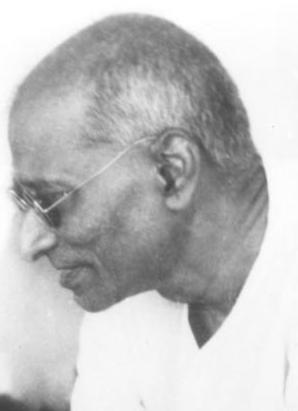
Chakravarthy Rajagopalachari (Image courtesy wikipedia)

Gandhi and Kasturba were married in 1883 when Gandhi was 13 and Kasturba 14. First son Harilal was born in 1888 when Kasturba was 19. Jawaharlal and Kamala were married in 1916 when Jawaharlal was 27 and Kamala was 16. Indira Gandhi was born 1917 when Kamala was 17.

About Patel, here is Rajmohan Gandhi himself, "Vallabh must have been 17 or so at his own wedding. Jhaverba, the bride Ballabh's parents, uncles and aunts had chosen for him, was 12 or 13". Patel "seldom talked" about his wife says Rajmohan Gandhi. Jhaverba, like Kamala, died young.

Lal Bahadur Shastri and Lalita were married in 1928 when Shashtri was 24 and Lalita was 17. Rajendra Prasad was married when he was 12 years old. Rabindranath Tagore married Mrinalini Devi in 1883 when he was 22 and she was 10. Tagore not only had a child-wife but gave one of his daughters in a similar marriage. Bharathiar too had a child-wife. Tilak, we learn, was married when he was 16. I'm sure his wife was not 17, to say the least. Sarvapalli Radhakrishnan married Sivakamu in 1903, he was 16 and she was 10.

On a personal note, my maternal grandmother was married to my grandfather when she was a child. Her elder sister who had earlier married my grandfather had died leaving behind two children. So my grandmother was taken around during a festival and before she knew what was happening she was married off. Sadly, she became a widow in her early 20s and by the time she herself had had 5 children, 4 daughters and a boy. The youngest child was barely 6 months old. Two blessings she had. One was that my grandfather left behind considerable property and two was that she was not Brahmin but a Mudaliar. Her brother had in the meantime married a Christian under the DK self-respect marriage movement in the late 1930s. This brother ensured that the sister did not endure traditional horrors of widowhood that, while not as horrendous as Brahminical customs, were still horrible. Rajah happily talked of how widows were treated in Dharmic law without a word about the horrible state of widows until very recent times. My maternal grandmother, named Janaki, would in later years allude to her name and say "well anyone named Janaki has to suffer".

On and on and on the story goes. Many of these leaders, almost all, were upper caste, mostly Brahmins. To be fair to them most, except Tagore and Bal Gangadhar Tilak, decisively turned against child marriage in later years. The passage of reform bills relating to marriageable age for girls roiled the Hindu community much like how gay marriage bills are roiling the Christian societies of the west today. This is a comment not meant to say one religion or the other was blemish free and egalitarian. No. Not at all. No society is egalitarian to begin with. It is a journey. What I've distaste for is the jingoism that is coloring intellectual discourse in India today where anything past is presented as idyllic and everything in the present is traced back to extremely tenuous precedents of the past. I'll write a detailed critique of Rajah's address later.

Now, I contrasted the marriages of America's founding fathers.

Here's another fact to muse. We know more, much more, about Martha Washington than we do of Rajendra Prasad's wife. George Washington was married to Martha Dandridge in 1759, he was 27 and she was 28. Even more surprisingly, Martha was a widow and her husband had died only 2 years earlier. George Washington married a widow.

Thomas Jefferson and Martha Wayles were married in 1772. He was 29, she was 24 and a widow. Martha Wayles's was first married when she was 18 and widowed at 20.

The marriage of John and Abigail Adams is the stuff of legend. Their marital relationship has been studied a lot and Abigail holds a special position in the history of America's first ladies. He was 29 and she was 20 when they married in 1764.

Alexander Hamilton married Elizabeth Schuyler in 1780, he was nearly 25 and she was 23. Benjamin Franklin and Deborah Read married in 1730, he was 24 and she was 22 and a divorcee. Deborah had first married when she was 12 and separated from her husband at 17 in 1722.

It is interesting to note that these ladies all have pretty detailed wikipedia pages which only tells us that we know a good lot about them. While the Indian independence movement created a tectonic shift in how women were treated and charted a progressive course this short perspective gives us an idea of the place of women and the institution of marriage in that era in India. Barring Jawaharlal Nehru most Indian male leaders lacked a good relationship with women. Nehru loved women and women loved him back. Nehru loved women as mother, sister, daughter, friends and love interests too. Nehru, a westernized mind, was at ease with a woman who can share a swimming with him or a cigarette. To the prurient mind that is evidence of him womanizing and to the normal mind it is evidence of a man who related to fellow human beings.

Now, back to Rajmohan Gandhi as biographer and other observations.

Referring to the Brahmins, the caste to which Rajaji belonged, Rajmohan writes, "the quick minded Brahmins of South India". Ramachandra Guha writing about Gandhi going to England has this curious observation about the Brahmins and others. "Some brave Brahmins and Kshatriyas had also ventured overseas. The first valued textual learning (a sphere in which the West was clearly in the lead); the second were keen to acquire British manners and this ingratiate themselves with the overlord". What is it with these upper caste biographers of India that they, despite their education and the modern liberalism that surrounds them, could not help betraying their own caste prejudices? Ironically today Tamil Brahmins uniquely blame Nehru for being a westerner. Gandhi very eagerly aped the Englishman. Brahmins formed the bulwark of British administrative machinery thus earning the scorn of Brahmin and nationalist poet Bharathi. Bharathi mocked his fellow Brahmins for toadying up to the Englishman as lord.

So, how intelligent was this "quick-minded Brahmin" Rajaji. He failed in Tamil test. Interestingly that did not prevent him from graduating. Not too later Brahmin dominated Madras university syndicate would relegate study of Tamil to vernacular status. Rajaji passed in the 'second division' with 218/400 marks. Some quick mind that was. Later he passed the law exams in, lo behold, 'third division'. Put simply the quick-minded South Indian Brahmin was a below average student. I'm literally rubbing it in so it grates the minds of those who glibly pass through such passages and when pointed out cry 'nit picking'. Both Gandhi and Nehru too were very average students. Patel, was a better graduate and won a prize. Contrast this with the most academically accomplished leader of that era, Dr. B.R. Ambedkar. Gandhi, Nehru and Rajaji, their academic performances not withstanding were intellectual giants in later life.

I'm only trying to draw attention to biases of biographers. Rajmohan Gandhi and Ramachandra Guha, to be sure, are NOT bigots or casteist. They also lay out facts. A hagiography, which is what Rajmohan Gandhi's work is, is not propaganda. A hagiography misses opportunities for wider historical narratives that better contextualize the actions of the subject and that is what distinguishes a biography from hagiography. Hagiography will not contain blatant falsification or perversions of facts, if it did so it'd become propaganda or at worst a fiction. Guha and Gandhi are too decent for that.

When we read a book we bring to it a complex set of tools. Our own life experiences, our readings, our biases, our values all play a role in understanding the text. One can argue with my interpretations or even disagree but they've to establish a reasoning for doing that. Likewise I'd have to return such courtesy.

A common taunt I've seen Tamil Brahmin Hindutva employ towards Christians is "rice-converts". This is an interesting taunt. To the Tamil Brahmins who have been effectively marginalized as a political group in Tamil Nadu the advent of BJP provided a platform and a vent for long suppressed anger and habitual casteism. Unable to mock (or sometimes genuinely unwilling) other lower castes in Hinduism, their usual punching bags, they've now turned to mocking other religions, notably Christians, of whom a vast majority are Dalits. It is beyond the pale that they would employ such a loaded term for mocking. But the term has a history.

Manga, Rajmohan Gandhi writes, gave alms on Saturday, "Manga stored cereals for the purpose in tin vessels near the front door: rice for the Brahmins, and harder grain, rage or kambu for the others". Imagine that scene for a moment. She's not giving it personally. She just leave the vessels by the door. It's not only an honor system but a system reflective of, as Rajah would put it,  a 'Dharmic' system. I wonder if any lower caste man or woman would've had the temerity to pinch rice from the rice vessel or if a Brahmin would indeed have touched with his left foot the ragi vessels? What ensures that each pick their own? A centuries old 'Dharmic' system. This imagery was a realization only as I started typing the passage. This is why I always consider writing and debating as occasions that provide greater realizations.

Reading Mary Beard's SPQR and about slave revolts in ancient Rome I was reminded of K.A. Nilakanta Sastry's 'History of South India' where he'd have mused about the Varnashrama system and about the lack of friction while also acknowledging lack of records. Records, in India, were mostly written by Brahmins at the employ of Kshtariyas. Sure, one could make the case that Varnashrama kept the peace but there's a price for that peace and that often is forgotten or is intentionally white-washed.

The opening chapter on Rajaji dealing with early life also gives an idea of how advantageous it was to be a Brahmin. Attending a school in Bangalore Rajaji stand at a hostel for Brahmins. A lower caste boy could not only ill-afford schooling at a town that was not his home town he, I'm omitting 'she' because that was unthinkable, would not at all find places to stay. In college also he used a hostel run by one Biligiri Iyengar for "students from Mysore". The biographer did not give details as to how a Thorapalli born Iyengar stayed there. Possibly as a student coming from a Bangalore school he got in. The point being the network that he was able to tap simply because of an accident of birth and in no way connected whatsoever to any academic distinction which, of course, he showed nothing of. "Being Brahmin, being modern" by Ramesh Bairy goes into the advantages of being Brahmin in the Mysore state in great detail. Educational policies well into the 1950s were tilted to the advantage of Brahmins.

With that backdrop think of how Rajaji happily introduced the educational reform bill that eventually led to not only his downfall but to him being vilified, very unjustifiably, as a casteist Brahmin. Casteist Brahmin Rajaji surely was not. The opening chapter alone cites incidences of Rajaji standing up for Dalits and associating, much to the chagrin of his community, with Muslims. But it is also undeniable that Rajaji, a child of privilege, did not bring to the issue the understanding and compassion that Kamaraj, an illiterate non-Brahmin, did.

Rajaji's bill nonchalantly advised students coming from "occupational communities" to go home, when school is over for the day, to learn crafts from their father. The girl children were advised to learn from their mothers. The language reeks of arrogant Brahminism. Even in the face of mounting political opposition Rajaji, who became Chief Minister without facing an election and never understood the principles or spirit of democracy, dug in his heels and became even more obdurate. On this most pivotal event Rajmohan Gandhi completely fails as biographer because he's not one. Where Rajaji was more intent on balancing the budget and cheerfully sacrificing educational progress for the citizenry Kamaraj, shaped by his life, was more revolutionary. Notably, the panel set up by Kamaraj was headed by N.D. Sundaravadivelu, a non-Brahmin.

I had earlier written on Facebook about this.

According to the orders passed (see https://web.archive.org/…/ww…/cd50years/g/12/28/12280V01.htm and https://web.archive.org/…/ww…/cd50years/g/12/28/12281301.htm) school hours were to be shortened and the orders said that children could learn crafts from their fathers and girl children could help their mothers at home. The language in the orders is patriarchal, patronizing and rests on a very romantic notion of learning crafts. 
Rajmohan who had a privileged upbringing like his subject could not fathom why that order, passed by a devout Brahmin in a country like India, which even then, like today, was deeply mired into casteism, could be seen as casteist order. Failing to appreciate the opposition and to present the opposition as mere blind opposition is a failure of Rajmohan as biographer but then he's no biographer or historian. Let me make this clear, giving sources, adopting academic looking references, supplying quotes etc alone are not sufficient to make anyone a historian or a biographer. By that token this incognito blogger too could claim that status. I know my limits. 
What is worse Rajmohan Gandhi inserts language that the even the order did not intend. He writes, "school children would spend the two hours gifted to them in learning creative skills from parents, relations and neighbors". One, village craftsmen were anything but creative artists. This is chicanery that only an upper caste biographer talking about a upper caste subject, his own grandfather, could happily say. Referring to girls learning from mothers this biographer wannabe doesn't even realize that most of those mothers (and even in Brahmin households) were illiterate and could impart nothing of educational value to a girl child. Now contrast this with how Nehru treats his sisters. Nehru writes to his sisters letter after letter about books to read and he discusses with them as equals. That is the difference between a well intentioned man who nevertheless remained a Brahmin patriarch at heart and a truly progressive Brahmin who could break free of his mould.

As Tamil Nadu reeled under food rationing Rajaji advised people in a broadcast to 'pray for rains'. When Nehru visited a famine ravaged part of India the people, as usual, were cheering his name and he cried "I've failed you and I don't deserve this". Nehru sent letters to US and Russia pleading for help. Finally it was Indira Gandhi who, facing humiliating conditions that US stipulated for famine relief, launched Green Revolution and ended the sad cycle of famines in India. But then Nehru, unlike Rajaji, was a Brahmin only in name and to Nehru his caste and religion were accidents of birth that he did not put much stock in. This is not to say Nehru, as it is alleged today, was divorced from his heritage or the heritage of the country he was born in. Nehru's ashes, after his cremation, were sprinkled, per his instructions, upon the Himalayas and immersed in Ganges.

Oh and one final note. Let us not learn about Rajaji in order to pelt stones at Nehru or learn about Ambedkar to vilify Gandhi or read Gandhi to act sanctimonious about Ambedkar. Let us learn about these great men because they all deserve to be studied and learned about. Let us discover something of ourselves in that process, good and bad. Let there be passionate intellectual discourses with passion for just knowledge and facts, not bigotry.

Let us set the record straight on Rajaji against the decades old hate filled propaganda but let's do it honestly without white-washing his history or using him as foil to besmirch others, especially Jawaharlal Nehru.

References:


  1. Rajaji: A life - Rajmohan Gandhi
  2. Gandhi: Before India - Ramachandra Guha
  3. Patel: A life - Rajmohan Gandhi
  4. Radhakrishnan: A Biography - Sarvepalli Gopal
  5. Being Brahmin, Being Modern: Exploring the lives of Caste today - Ramesh Bairy
  6. https://en.wikipedia.org/wiki/George_Washington
  7. https://en.wikipedia.org/wiki/Martha_Washington
  8. https://en.wikipedia.org/wiki/Thomas_Jefferson
  9. https://en.wikipedia.org/wiki/Martha_Jefferson
  10. https://en.wikipedia.org/wiki/John_Adams
  11. https://en.wikipedia.org/wiki/Abigail_Adams
  12. https://en.wikipedia.org/wiki/Alexander_Hamilton
  13. https://en.wikipedia.org/wiki/Elizabeth_Schuyler_Hamilton
  14. https://en.wikipedia.org/wiki/Benjamin_Franklin
  15. https://en.wikipedia.org/wiki/Deborah_Read


Sunday, December 13, 2015

A survey of Nehruvian Economic Policies. (Tamil. நவ இந்தியாவின் முதன்மை சிற்பி: ஜவஹர்லால் நேரு. பொருளாதாரக் கொள்கை சீரழித்ததா?)

நவ இந்தியாவின் முதன்மை சிற்பி: நேரு. பொருளாதாரக் கொள்கை சீரழித்ததா?


நேருவின் யுகம்:


1947-ஆம் ஆண்டு ஆகஸ்டு 15-ஆம் தேதியிட்ட ‘தி இந்து’ நாளிதழில் ஒரு கட்டுரை சொன்னது “யாருடைய கவனத்தையும் பெறாத ஒரு முக்கியமான நிகழ்வு, கிட்டத்தட்ட உலகளவில் முக்கியமனது, நடந்தேறியிருக்கிறது, ஓர் யுகம் முடிந்து இன்னொன்று அந்த இடத்தில் நழுவி இடம் பிடித்தது. காந்தியின் யுகம் முடிந்தது-நேருவுடையது ஆரம்பமானது”. எழுதியவர் கே.எம். முன்ஷி. முன்ஷி மேலும் எழுதுகிறார், “பிரிடிஷ் ஏகாதிபத்தியத்தின் முன்னாள் கைதி இப்போது ஒரு தேசத்தின் தலைவன், ஆசியாவின் அங்கீகரிக்கப்பட்ட தலைவன் மற்றும் உலகின் நான்கு தலைவர்களுள் ஒருவன்”. முன்ஷி சித்தாந்த ரீதியாக நேருவுக்கு மட்டுமல்ல காந்தியோடும் ஒத்துப் போகாதவர் என்பது குறிப்பிடத் தக்கது. முன்ஷியின் கருத்துகளைக் காலம் தீர்க்கதரிசனம் என்றே நிரூபித்தது. நேருவின் யுகம் ஆரம்பமானது.


தன் வாழ்நாளில் ஒரு தேசத்தின் மகோன்னதத் தலைவராகப் பரிமளித்த ஒருவர் அவர் இறந்து ஓர் அரை நூற்றாண்டுக்குள் இன்று அத்தேசத்தின் அநேக குறைகளுக்கும் வித்திட்டவராகப் பரினமித்திருப்பது துரதிர்ஷ்டம். நேரு சிற்பியா இல்லை சீரழிவிற்கு வித்திட்டவரா என்பதை அவர் முன்னெடுத்த பொருளாதாரக் கொள்கைகளைக் கொண்டு அளவிடுவது பல முக்கியப் புரிதல்களைக் கொடுக்கும்.

One of the many times that Nehru adorned the cover of Time Magazine.


மேற்கோள் அரசியல்:


இன்று நேருவை வசைப் பாடி எழுதுபவர்களைப் பீடித்திருக்கும் ஒரு நோய் “மேற்கோள் அரசியல்”. பள்ளிப் பருவம் தாண்டாத மாணவனின் மனோநிலையில் மேற்கோள்களைக் கொண்டே தங்கள் தரப்பை நிறுவ முயல்வது ஒரு விஷக் காய்ச்சலாகப் பரவி வருகிறது. நேரு ‘காமராஜ் திட்டம்’ மூலமாகத் தன் அரசியல் எதிரிகளை வீழ்த்தினார் என்று ராதாகிருஷ்ணனின் வாழ்க்கை வரலாற்றுப் புத்தகத்தில் ஒரு வாசகம். அதையே ‘இதோ பாரீர் நேரு ஒரு பாஸிஸ்ட்’ என்று ஒருவர் அமிலம் கக்குகிறார். திட்டத்தை வகுத்துக் கொடுத்த காமராஜரைப் பற்றிப் பேச்சில்லை. ராஜாஜி, படேல், ராஜேந்திர பிரசாத் ஆகிய மூவரும் தன்னை விமர்சித்து எழுதிய கடிதத்தைத் தன் கடிதத் தொகுப்பில் சேர்த்து வெளியிட்ட நேரு அவரின் கண்களுக்குப் பாஸிஸ்ட்.


நேருவை மிகக் கடுமையாகச் சாடிய போஸ் தான் பிந்நாளில் தன் படையின் ஒரு பிரிவுக்கு ‘நேரு’ என்று பெயரிட்டார். நேருவை எதிர்த்து அரசியல் புரிந்த ராஜாஜியோ நேரு பற்றிய இரங்கல் குறிப்பில், “என்னை விடப் பதினோறு வயது இளையவர், என்னை விட இந்நாட்டிற்குப் பதினோறு முறை முக்கியமானவர், என்னைவிடப் பதினோறாயிரம் முறை தேசத்தால் நேசிக்கப் பட்டவர் நேரு”, என்று அங்கலாய்த்தார்.

பிரசாத்தும் நேருவும் பிரதமர் மற்றும் ஜனாதிபதிக்கான அதிகார எல்லைகள் குறித்து அதிகமாக வாதிட்டனர். அதிகார எல்லைகள் குறித்த அவர்களின் கடிதப் பரிமாற்றங்கள் இரு விஷயங்களைத் தெளிவு படுத்திகின்றன. ஒன்று, இருவரும் ஜனநாயக மரபுகளுக்கும், சட்டத்திற்கும், அதிகப் பட்ச மரியாதைக் கொடுத்தனர். இரண்டு, பரஸ்பர மரியாதைச் சிதையாதவாறு மிக நேர்த்தியாகத் தங்கள் வார்த்தைகளைத் தேர்ந்தெடுகின்றனர்.

தாங்கள் எல்லோரும் ஒரு மஹாத்மாவின் கீழ் வரலாறு காணாத ஒரு சுதந்திரப் போராட்டத்தில் தோளோடு தோள் நின்று ஓர் உலகளாவிய ஏகாதிபத்தியத்தைற்கு சாவு மணி அடித்த சஹ்ருதயர்கள் என்ற உணர்வுப் பூர்வமான ஒற்றுமை அவர்களிடையே ஓங்கியிருந்தது.

வரலாற்றின் பன்முகம்:


பொருளாதார வரலாறு என்பது வெறும் வரவு செலவு கணக்காக இருக்கக் கூடாது. பொருளாதாரவியல் என்பதே தத்துவம், பொருளாதாரம், அரசியல் என்ற பன்முக ஸ்படிகத்தின் ஊடாக வெளிவரும் கலவையான ஒளிக் கீற்றென்றால் அது பற்றிய வரலாறும் பல தளங்களிலும் விரிந்துப் பற்பலக் காரணிகளை ஒரு மையச் சரடோடு இணைத்து ஒரு பெருங்கதையாக வாசகனுக்கு விவரிப்பது தான்.


நேரு இந்திய மரபிற்கு ஒவ்வாத சோஷலிஸத்தை முன் யோசனையின்றி இறக்குமதி செய்து இந்தியாவின் பொருளாதாரத்தைச் சீரழித்தார், என்பதே இன்று அவரைப் பற்றி வைக்கப் படும் குற்றச்சாட்டுகளுள் முதன்மையானது. நேருவின் பொருளாதாரக் கொள்கைக்குள் செல்வதற்கு முன் உலகம் அன்றிருந்த நிலை, இந்தியாவின் அரசியல் சூழல் ஆகியவற்றைப் பார்ப்பது அத்தியாவசியம்.

பிரஸ்ஸல்ஸ் மாநாடு, ருஷ்யப் பயணம், மார்க்ஸிய ஈர்ப்பும் கம்யூனிஸ்டுகளுடனான உறவும்:


1926 முதல் 1927 வரை நேரு மேற்கொண்ட ஐரோப்பிய பயணங்கள் அவர் சிந்தனை பரிணாம மாற்றத்தில் ஒரு மைல் கல். பிரஸ்ஸல்ஸில் ஏகாதிபத்திய எதிர்ப்பு மாநாட்டில் காங்கிரஸின் சார்பில் கலந்து கொண்ட போது மார்க்ஸியக் கொள்கைகளின்பால் மேலும் ஈர்க்கப் பட்டார். 1927-இல் ருஷ்யப் புரட்சியின் பத்தாவது ஆண்டில் மாஸ்கோ சென்றார். அங்கே அவர் கண்ட முன்னேற்றங்கள் அவர் மனதைக் கவர்ந்தது.


மார்க்ஸியத்தின் மேல் நேருக் கொண்ட அபிமானம் இரண்டு தரப்பிலானது. ஒரு ஏற்றத் தாழ்வில்லாத சமூகத்தின் அடித்தளம் மார்க்ஸியப் பொருளாதாரம் என்றெண்ணினார். இரண்டாவதாக மார்ஸியத்தின் அறிவியல் அடிப்படைக் கொண்ட நோக்கு இந்தியாவிற்கு அத்தியாவசியம் என்பதை ஆணித்தரமாக நம்பினார்.

சித்தாந்தத் தூய்மைவாதம், காந்தியமானாலும் சரி மார்க்ஸியமானாலும் சரி, நேருவுக்கு ஒவ்வாதது. பிரஸ்ஸல்ஸ் கூட்டமைப்பு காந்தியை காட்டமாக விமர்சித்த போது நேரு அவர்களிடமிருந்து விலகினார் ஏனெனில் இந்தியாவுக்குக் காந்திய வழியே கம்யூனிஸப் புரட்சி வழிகளைவிட மேன்மையானது என்ற தெளிவிருந்ததால். ஆனால் அதே சமயம் காந்தி தன் ‘இந்து சுய ராஜ்ஜியம்’ நூலில் கூறப் பட்டப் பொருளாதாரக் கருத்துகளையே முன் வைத்த போது நேரு அவரிடமே அவை காலாவதியான கருத்துகள் என்று கடிதமெழுதினார். 1950-களில் பொருளாதாரக் கொள்கைகளை வகுக்க முனைந்த போது மார்க்ஸின் 19-ஆம் நூற்றாண்டுக் கால யூகங்கள் பொருந்தாது என்பதையும் பல இடங்களில் குறிப்பிடுகிறார். நேருவின் மிகப் பெரிய பலமே அவர் எந்தச் சித்தாந்தத்திற்கும் ஏகபோக அடிமையில்லை, ஒவ்வொன்றிலும் சிறந்ததையும், ஒவ்வொரு காலக் கட்டத்திற்குத் தேவையானதையுமே அவர் பெற்றுக் கொள்கிறார்.

நேரு தன்னை மார்க்ஸியர் என்று அழைத்துக் கொண்ட போதிலும் இந்தியக் கம்யூனிஸ்டுகளுடனான அவர் உறவு என்றுமே சுமூகமாயிருந்ததில்லை. கம்யூனிஸ்டுகள் ஐம்பதுகளில் புரட்சிப் பாதையைத் தேர்ந்தெடுத்த போது அவர்களை ‘தீவிரவாதிகள்’ என்றே நேரு விளித்தார்.நேருவை மார்க்ஸியர் என்பதை விடக் கீனீஸியர் என்பதே பொருத்தம்.

அமெரிக்காவும், உலகப் போருக்குப் பிந்தைய உலகும், கீன்ஸ் என்பவரும்:


“Great Depression” மற்றும் உலகப் போரின் முடிவில் உலகெங்கிலும் இடது சாரி பொருளாதாரக் கொள்கைகள் கொடிக் கட்டிப் பறந்தன. ரூஸ்வெல்டின் தலைமையில் அமெரிக்கா தீவிர இடது சாரிக் கொள்களையே கைக் கொண்டது. தனியார் நிறுவனங்கள் அரசாங்கத்தால் கட்டுப் படுத்தப் பட்டன, போர்க் குணமிக்கத் தொழிற் சங்கங்கள் சட்டத்தின் உதவியோடு தழைத்தன, பணக்காரர்கள் மீதான வரி விதிப்பு வானளாவியது இன்னும் ஏராளமான மாற்றங்கள் நடந்தேறியது. விலை நிர்ணயம் கூடச் செய்யப்பட்டது. விலயேற்றம் செய்த இரும்பு ஆலை முதலாளிகளைக் கென்னடி ‘தேவடியாள் மகன்கள்’ என்றார். இத்தகைய போக்குக் கிட்டத்தட்ட ரேகன் 1980-இல் பதவியேற்கும் வரை தொடர்ந்தது. முதலாளித்துவத்தின் கோயில் என்று நம்பப்படும் அமெரிக்காவிலேயே இது தான் சுருக்கமான சித்திரம் அக்காலக் கட்டத்தைப் பற்றி.
மார்கரெட் தாட்சருக்கு முந்தைய இங்கிலாந்தில் பொருளாதாரத்தில் அரசாங்கக் கட்டுப்பாடுகள் நேருக் காலத்திய இந்தியாவோடு ஒத்தவை என்றால் மிகையாகாது. தாட்சர் இறந்த போது ஒரு இடது சாரி எழுத்தாளரே தீவிர இடது சாரி பத்திரிக்கையான ‘தி கார்டியனில்’ பின் வருமாறு எழுதினார் “70-களில் தொலைக்காட்சி நிகழ்ச்சி நிரல்கள் பாதுகாக்கப் பட்ட தகவலாக (state secret) வைக்கப்பட்டது…வீட்டு தொலைபேசிக்கு எக்ஸ்டென்ஷன் போடுவது சட்ட மீறல், அதற்கான அரசாங்க ஊழியன் வந்து செய்வதகோ 6 வாரம் எடுக்கும்”.


இரண்டாம் உலகப் போருக்குப் பின் நடக்க வேண்டிய மறு நிர்மானங்களைப் பற்றி விவாதிக்க அமெரிக்காவில் கூடிய நிதி வல்லுநர்கள் அரங்கில் ஒரு மனிதர் ஜாம்பவானாக உருவெடுத்தார். அவர், ஜான் மேனார்ட் கீன்ஸ். பொருளாதாரத் தொய்வுகளின் போது அரசாங்கங்கள் மட்டுமே செலவு செய்வதின் மூலமாகப் பொருளாதாரத்தை முடுக்கி விட முடியும் என்ற தத்துவத்தைக் கீன்ஸ் முன் மொழிந்தார். அப்படிச் செய்யும் அரசாங்கங்கள் பொருளாதாரத்தைத் தன் கட்டுக்குள் வைத்திருக்க நேரிடும் என்பதும் யாவருக்கும் அன்று ஒப்புடையததாகவே இருந்தது.
இந்தப் பின்னனியில் தான் நேருவின் இந்தியாவைப் பொறுத்திப் பார்க்க வேண்டும்.

இந்தியா எனும் பரிசோதனை முயற்சி:


1947-இல் இந்தியா சுதந்திரமடைந்த போது உலக வரலாற்றில் இவ்வளவு பேதங்களை உள்ளடக்கி ஒரு ஜனத்திரள் தன்னை தேசம் என்று அழைத்துக் கொண்டதில்லை. வரலாற்றில் இந்தியாவைப் போன்ற ஒரு படிமத்தைக் காண முடியாது. ஒரு நிமிடம் அந்தப் பத்து வருடங்களுக்குள்ளாக நடந்தவைகளை அசைப் போட்டால் அன்று தேசத் தலைமையேற்றிருந்த நேருவை எத்தகைய இமாலய சவால்கள் எதிர் நோக்கின என்றுப் புரியும்.


தேசப் பிரிவினை, உள்நாட்டுப் போருக்கு ஈடான மதக் கலவரங்கள், மாபெரும் மானுட இடப் பெயர்வும் அதையொட்டிய அகதிகள் பிரச்சினையும், அரசியல் சாசனம் பற்றிய விவாதங்கள், பெரும்பாலும் எழுத்தறிவில்லாத ஒரு ஜனத் திரளுக்கான தேர்தல், ஜாதி பேதங்களற்ற ஓட்டுரிமை, பல்லாயிர வருட ஞான மரபுக் கொண்ட ஒரு பெரு மதத்தை சீரமைக்கும் பெரும் சட்டத் திருத்தங்கள், நில சீரமைப்பு மற்றும் ஜமீந்தாரி ஒழிப்பு, கல்வி சீரமைப்பு, பொருளாதாரக் கட்டமைப்புகள், ஆராய்ச்சியகங்கள் என்று நீண்டதொருப் பட்டியலைச் சொல்லலாம். அவைப் போதாதென்று விடுதலையடைந்து பத்து வருடங்களுக்குள்ளாகவே தன் உள் நாட்டு வரைப் படத்தையே மாற்றிக் கொண்டது. மாநில சீரமைப்பு இந்த அளவில் உலகில் வேறெங்கிலும் நடந்திருந்தால் இரத்த ஆறு ஓடியிருக்கும்.

உலக வரலாற்றில் வேறெந்த தேசம் இவ்வளவையும் பத்து வருடங்களுக்குள்ளாக சமாளித்து ஒரு ஜனநாயகாமாகவும் இருந்தது என்று எண்ணிப் பார்த்தால் நானறிந்தவரை இந்தியா இன்று தான். அந்தப் பட்டியலில் உள்ள ஒவ்வொன்றிலும் நேருவின் பங்கு, பிரதமராக மட்டுமல்ல ஒரு சிந்தனையாளராக, ஒரு வழி நடத்துபவராக, அளப்பறியப் பங்கு என்பதை வரலாற்றை அறிந்தவர்கள் ஒப்புக் கொள்வர்.

ஜமீந்தாரி ஒழிப்பும் அரசியல் சாசனமும்:


இந்திய அரசியல் சாசனம் பற்றிய புத்தகத்தில் கிரான்வில் ஆஸ்டின் அன்றைய தலைவர்கள் பெரும்பாலோரின் பொருளாதாரச் சிந்தனை சோஷலிசக் கொள்கை சார்ந்தே இருந்ததைச் சுட்டிக் காட்டுகிறார். பல தலைவர்கள் மேட்டுக் குடியினராகவும் இருந்ததைச் சுட்டி அவர்களுக்கு இயல்பிலேயே ‘பணம் ஈட்டுவது’ என்பது ஒரு கீழ்மையான பண்பாகவும் பார்க்கப்பட்டதையும் கூறுகிறார். அன்றைய இந்தியாவில் உழைப்பால் பணம் ஈட்டியவர்களை விரல் விட்டு எண்ணிவிடலாம். அரசியல் விடுதலையென்பது பொருளாதார ஏற்றத் தாழ்வுகளைக் களைவதற்கான முக்கியமான அடித்தளமாகவே பார்க்கப் பட்டது.


ஜமீந்தார்களை ஒழிப்பது என்ற குறிக்கோளில் நேரு, பிரசாத் மற்றும் படேல் ஆகியோரிடையே எந்தக் கருத்து வேறுபாடுமில்லை. ஆனால் அதைச் சட்டப் பூர்வமாகவும் தனி மனித சுதந்திரத்தை முற்றிலுமாக மீறாமலும் செய்யப் பட வேண்டுமென்றே அனைவரும் விரும்பினர்.

தனி மனித சுதந்திரமென்பது சொத்துரிமையையும் உள்ளடக்கியதே. ஜமீந்தாரி முறையை ஒழிப்பதை சட்டப் பூர்வமாகச் செய்வது குறித்த விவாதங்களைக் கிரான்வில் ஆஸ்டின் தெளிவுற விளக்குகிறார். அதிலிருந்து இன்றைய வாசகன் அறியக் கூடியது என்னவென்றால் தேசத் தலைவர்கள் ஒரு அநீதியேயாயினும் அது சட்டப் பூர்வமான அரசியல் சாசனத்தின் மூலம் களையப் பட வேண்டும் என்பதில் உறுதியாக இருந்தனர் என்பதே. மேக்ன கார்டா (Magna Carta) போன்ற மரபில்லாத நாட்டில் இது சாதாரண விஷயமல்ல. ஒவ்வொரு வார்த்தையும் விவாதிக்கப் பட்டது. நஷ்ட ஈடு ‘முழுமையானதாக’ இருக்க வேண்டுமா ‘நியாயமானதாக’ இருக்க வேண்டுமா என்பது முதல் ஜமீந்தார்களுக்கு அவர்கள் நிலத்தின் மீது உரிமை இருக்கிறதா என்பது வரை.

இரண்டாம் ஐந்தாண்டு திட்டம்: மஹலனாபிஸ், சோஷலிஸம், யூகங்கள், நிதர்சனங்கள்:


புதிய பொருளாதாரக் கொள்கைப் பற்றி ஏப்ரல் 1949-இல் உரையாற்றிய நேருத் தெளிவாக தேசிய மயமாக்கலைப் பின்னுக்குத் தள்ளி திட்டமிட்ட பொருளாதாரத்தை முன் வைத்தார். பி.ஸி.மஹலனாபிஸும் நேருவும் சோவியத் ருஷ்யா மற்றும் சீனாவில் கண்ட தொழில் வளர்ச்சியால் கவரப் பட்டார்கள் என்பது உண்மை. இதில் அவர்கள் விதி விலக்கல்ல. மரக் கலப்பையால் உழவு செய்த சமூகத்தின் தொழில் நுட்ப முன்னேற்றங்களைக் கண்டு அமெரிக்கர்களும் அப்பொருளாதாரக் கொள்கைகளை ஆச்சர்யத்துடனே நோக்கினர்.
நேரு முன்வைத்த சோஷலிசத்தை மைக்கேல் பிரஷர் துல்லியமாக வருணிக்கிறார். “வெற்றிடத்தைச் சோஷலிமயமாக்கல்” (‘socialization of the vacuum’). நேருக் காலத்தில் தறிகெட்ட தேசியமயமாக்கல் நிகழவேயில்லை. தனியார் பங்குப் பெறாத மற்றும் தேசத்தின் அத்தியாவசியத் தேவைக்கான பகுதிகளே பொதுத்துறையின் கீழ் வந்தன.
முதலாம் ஐந்தாண்டு திட்டம் பல திட்டங்களின் மேலோட்டமான தொகுப்பே. அதைத் திட்டமிட்ட பொருளாதாரம் என்று கணக்கில் கொள்ள முடியாது என்றாலும் அது ஒரு முக்கியமான வழிமுறையைக் கையாண்டது. பொருளாதாரவியலில் “மாதிரி” (model) என்று ஓரு வழிமுறையுண்டு. அவ்வகையில் முதல் ஐந்தாண்டுத் திட்டம் கீன்ஸியத் தத்துவங்களை அடிப்படையாகக் கொண்ட ஹாரட்-டோமர் மாதிரியைப் பின்பற்றியது.


இரண்டாம் ஐந்தாண்டு திட்டம் முழுக்க மஹலானாபிஸ் மாதிரியைப் பின்பற்றியது. இத்திட்டத்தில் விவசாயம் இரண்டாம் பட்சமானது என்றாலும் அது பின்னுக்குத் தள்ளப் பட்டது என்பதெல்லாம் உண்மையில்லை. இந்தத் திட்டத்தைப் பற்றி விரிவாகப் பார்த்தல் அவசியம்.
காலணியாதிக்கத்தில் இருந்து வெளிவந்த தேசம் தன்னிறைவு நோக்கிப் பொருளாதாரத்தை வடிவமைத்தது. அதற்குத் தேவைத் தொழில் நுட்ப வளர்ச்சி. மஹலனாபிஸ் இரண்டு குறிக்கோள்களை முன் வைத்தார். பெரும் தொழில் சார்ந்த முதலீடுகளை அரசு செய்யும், அதே சமயம் அது வேலை வாய்ப்பினை பெருமளவுப் பெருக்காதென்பதால் சிறு தொழில் முயற்சிகள் ஊக்குவிக்கப் பட்டு அவை கிராமிய அளவில் நடை பெறும் என்பதே அது.
ஒரே நேரத்தில் தொழில் முதலீடு வேண்டுவோர், காந்தியப் பொருளாதாரத்தை விரும்புவோர், தனியார் தொழில் பாதுகாப்பு விரும்புவோர் என்ற முத்தரப்பையும் இது சந்தோஷப் படுத்தியது. இந்த முத்தரப்புகளின் முரணியக்கமே அன்றைய இந்தியப் பொருளாதாரக் கொள்கைகள்.
மஹலனாபிஸ் ஏற்றுமதிக்கேற்ற பொருளாதாரத்தையோ அதற்கான தேவைவகளைப் பூர்த்திச் செய்யும் வழிகளையோ கணக்கில் கொள்ளவில்லை. இத்திட்டத்தின் போது தான் ராஜாஜி எச்சரித்த ‘லைசன்ஸ்-பர்மிட் ராஜ்’ ஒரு முக்கிய அங்கமாக
நிறுவப் பட்டது.

இந்த ஐந்தாண்டுத் திட்டத்தின் சவால்களும் அதைச் சந்திக்க அரசு மேற்கொண்ட வழிகளும் ஒரு சிக்கலான சித்திரத்தை நமக்களிக்கும்.

தொழில் மயமாக்கல், அரசாங்க சார்பிலும், ஆரம்பத்தில் எளிதாகக் கிடைத்த லைசன்சுகளின் ஊக்கத்தில் தனியார் நிறுவனங்களும், இறக்குமதிக்கான தேவையை அதிகரித்து அந்நிய செலாவணி கையிருப்பை வெகுவாகப் பாதித்தது. இறக்கிமதியில் பெரும் பகுதி தனியார் நிறுவனங்களின் சார்பிலேயே தான் நடந்தது. இதனிடையே பெரு வெள்ளங்களினாலான பாதிப்பு உணவு உற்பத்தியைப் பாதித்தது. விலையேற்றம் தொடர்ந்தது. அந்நிய நிதி மற்றும் கடுமையான வரி விதிப்புகள் மேற்கொள்ளப் பட்டன. இத்தகைய வரி விதிப்புத் தேவையென்று முன்பே அறிவுறுத்தியது நிகொலஸ் கால்டர் எனும் பிரித்தானிய அறிஞர். அவரும் கீன்ஸியரே.

காந்தியப் பொருளாதாரமும் நேருவும்:


காந்தியின் பொருளாதாரத்தை ஒரு தத்துவமாக நேரு திட்டவட்டமாக நிராகரித்தார், ஆனால் பொருளாதாரத் திட்டமிடலில் காந்தியத்தின் கூறுகள் இடம் பெற்றன, காந்தியர்களின் ஆதரவினைப் பெறுவதற்காகவாவது.


கிராம அளவில் ‘Block development’ எனும் முறை அறிமுகப் படுத்தப் பட்டது. விவசாய முறைகளில் தொழில் நுட்ப முன்னேற்றங்களை அறிமுகப் படுத்துதல், சுகாதார முறைகளை அறிமுகம் செய்தல், கூட்டுறவு முறைகளுக்கு உதவி செய்தல் எனக் கிராமத்தில் மக்களிடையே வாழ்ந்த அதிகாரிகள் மக்களின் ஒப்புதலோடு செயல்பட்டனர். மைக்கெல் பிரஷர் இது குறித்து மிகச் சிலாகித்து எழுதிகிறார் நேரு பற்றிய புத்தகத்தில்.

நேரு ஐந்தாண்டு திட்டத்தில் விவசாயத்தைக் கவணிக்காமல் விட்டுவிட்டு உணவு உற்பத்தி எதிர்ப்பார்த்த அளவு இல்லயென விவசாயிகளைக் கடிந்து கொண்டார் என்று இணையத்தில் ஒருவர் பொங்குகிறார். உண்மையில்லை. பாரம்பர்யமாக வந்த ஞானத் தொகுப்பினைக் கொண்டு வழி வழியாக விவசாயம் செய்தவர்கள் எள்ளி நகையாடப்பட்டு ஏட்டுக் கல்வி அதிகாரிகள் கோலோச்சினர் என்று இன்னொருவர் வருத்த படுகிறார். உண்மை நிலை வேறு.

ஸ்டாலின் சந்தித்த பிரச்சினையைத் தான் நேருவும் சந்தித்தார். ஒரு பின் தங்கிய உழவுச்சமூகம், அதுவும் இந்தியர்களுக்கே உரித்தான பழமையைக் கும்பிடும் சமூகம், முன்னேற்றங்களையும் புதிய முறைகளையும் ஏற்கத் தயங்கியது. ‘தன் திட்டங்களின் குறைகளும், மாற்றத்தை விரும்பாத விவசாயிகளின் மீதும் நேரு எரிச்சலுற்றார்’ என்ற ஒரு மேற்கோளைப் பிடித்துக் கொண்டு நேருவை சாடுவதில் நியாயமென்ன? அதே நேரு தான் 1951-இல் பஞ்சத்தால் பீடிக்கப்பட்ட பீஹாரைப் பார்வையிட சென்ற பொது தன்னைப் போற்றி கோஷம் எழுப்பியக் கூட்டத்தினரிடம் “உங்களுக்கு உணவுக் கொடுக்க முடியாத என்னை எதற்கு புகழ்கிறீர்கள்” என்றார். பசியால் வாடி வயிறு ஒட்டியக் குழந்தைகளைக் கண்டு நேரு அழுதார் என்கிறார் சர்வபள்ளி கோபால்.

பி.ஆர். நந்தா “Nehru: Rebel and Statesmen” புத்தகத்தில் இந்த விவசாயம் குறித்த அவதூறுக்கு ஆணித்தரமான பதிலைத் தருகிறார். ‘விவசாயத்தின் முகியத்துவத்துவத்தை உணர்ந்த நேரு மாநில முதல்வர்கள் விவசாயத் துறைக்குத் தாங்களே பொறுப்பேற்க வேண்டுமென யோசனைக் கூறினார்.” “1904-05 முதல் 1944-5 வரை விவசாயத்தின் வளர்ச்சி விகிதம் 0.25%. 1949-50 முதல் 1964-65 வர விவசாயத்தின் வளர்ச்சி விகிதம் 3.1%”.”1950-65 விவசாயத்தில் Rs 3446 கோடி, அதாவது 22.7%, திட்ட ஒதுக்கீடு செய்யப் பட்டது. தொழிற் முன்னேற்றத்திற்கு 17.2%, போக்குவரத்து மற்றும் மின் உற்பத்திக்கு 37.7% ஒதுக்கீடு செய்யப்பட்டது”.

மூன்றாம் ஐந்தாண்டு திட்டம்: 


மூன்றாம் ஐந்தாண்டு திட்டங்களுக்கான ‘economic model’-ஐ உருவாக்கியது ரேஞ்சர் பிரிஷ் என்பவரும் ஜான் சண்டீ என்பவரும். இந்தப் பொருளாதாரப் படிமம் இது வரை பின்பற்றிய நேர்கோட்டுப் படிமத்தை (‘linear programming model’) விட்டு பற்பல தொகுதிக் கொண்ட பொருளாதாரப் படிமத்தை (“multi-sector model”) முன் வைத்தது. 1962 சீனாவுடனானப் போர் இத்திட்டக் காலத்தை வெகுவாகப் பாதித்தது. மேலும் இரண்டாவது திட்டத்தைப் போலல்லாது இத்திட்டத்தில் உலக வர்த்தகத்துக்குக் கவணம் கொள்ளப் பட்டது.


இந்த மூன்று திட்டங்களையும் ஒவ்வொன்றாக நோக்கினால் ஒரு மாபெரும் தேசம் பொருளாதார நிலைகளில் பரிணமித்து வந்ததும் ஒவ்வொரு காலக் கட்டத்திலும் புதுக் கனவுகள், புதிய திசைகள், புதிய சிந்தனைகள், புது வழிகள், பழையதில் கற்றப் பாடங்கள் என்று படிப்படியாக முன்னேறியது தெரியும். அமெரிக்கா, ருஷ்யா, கொரியா என்று பல நாடுகளின் ஆரம்பக் கால வரலாற்றின் அரிச்சுவடியாவது தெரிந்தவர்கள் நேருவின் காலத்தை ஒரு யுகப் புருஷனின் காலம் என்றே எண்ணுவர்.

ஏர்-இந்தியா தேசியமயமாக்கல்:


1980 எண்ணை இறக்குமதியில் ஏற்பட்ட நெருக்கடிக்குப் பிறகு அமெரிக்காவில் விமானப் போக்குவரத்து தாராளமயமாக்கப் பட்டது. அது வரை விமானப் போக்குவரத்து நிறுவனங்கள் மிகக் கடுமையான, கிட்டத்தட்ட தேசியமயமாக்கலுக்கு இணையான, அரசுக் கட்டுப் பாட்டில் தான் இயங்கி வந்தன. அமெரிக்காவிலேயே அது தான் நிலைமையென்றால் இந்தியா போன்ற வளரும் நாடு போக்குவரத்துத் துறையில் தேசியமயமாக்கலைக் கையாண்டது ஒன்றும் ஆச்சரியமில்லை.
தனியார் போகுவரத்து நிறுவங்கள் போதிய இலாபம் ஈட்டாத வழித் தடங்களில் இயங்க மாட்டா. அந்நிலையில் பல கிராமங்கள் தொடர்பறுந்து போயிருக்கும். அதே சமயம் தனியாருக்கு இலாபம் கொழிக்கும் தடங்களைக் கொடுத்து விட்டு அரசு மற்ற தடங்களுக்குப் போக்குவரத்து இயக்குவதென்பதும் முடியாது. இன்றைய அமெரிக்காவில் கூட நியு ஜெர்ஸி போன்ற மாநிலத்தில் அரசாங்கம் சில தடங்களில் போட்டியைத் தவிர்ப்பதற்காகத் தனியாரை இயங்க விடுவதில்லை.
மீண்டும் மீண்டும் அமெரிக்க உதாரணங்களைக் காட்டுவது நேருவிய பொருளாதாரம் ஒன்றும் உலகில் எங்குமே நடக்காத கொள்கைகளைக் கண் மூடித்தனமாகக் கையாளவில்லை என்பதைச் சுட்டிக் காட்டவும் அக்கொள்கைகள் சோவியத் நாட்டில் மட்டுமின்றி அதன் எதிர் துருவமான அமெரிக்காவிலும் புழக்கத்தில் இருந்தது என்பதைச் சுட்டிக் காட்டத் தான்.


கொல்லைப் புறமாக டாடா விமானப் போக்குவரத்து நிறுவனம் தேசியமயமாக்கப் பட்டது என்று ஜே.ஆர்.டி. டாடா மனம் குமுறினாலும் புதிதாக உருவெடுத்த பொதுத்துறை நிறுவனமான ஏர்-இந்தியாவிற்குத் தலைமைத் தாங்குமாறு அழைக்கப் பட்டதும் நேருவின் மீதும் விமானங்களின் மீதும் கொண்ட அபிமானத்தால் சரியென்றார்.

வல்லுநர்களின் பங்கு: 


நேருவிய பொருளாதாரமென்றவுடனேயே மஹலனாபிசிலும் மார்க்சியத்திலும் மட்டுமே போய் முட்டுச் சந்தில் நிற்பது போல் நிற்பவர்களுக்கு நேருவிய எதிர்ப்பைத் தவிர வேறொன்றும் தெரியாது. நேருக் காலத்திய நிதி அமைச்சர்களும் பொருளாதாரக் கொள்கை வடிவமைப்பில் பங்கு கொண்ட வல்லுநர்களைக் கூர்ந்து நோக்கினால் அது சிந்தனாவாதிகளின் பொற்காலம் என்பது விளங்கும்.


காங்கிரசுக்கு எதிர் நிலையிலிருந்த நீதீக் கட்சியைச் சார்ந்த டி.கே. ஷன்முகம் செட்டியை ராதாகிருணன் முலம் அணுகி முதல் நிதி அமைச்சராக ஆக்கினார் நேரு. அடுத்து வந்தது ஜான் மத்தாய், பிறகு சி.டி. தேஷ்முக், டி.டி.கே, கடைசியாக மொரார்ஜி தேசாய். இதில் யாரும் தீவிர மார்க்சியர்கள் இல்லை.

மேலும் சர்வதேச வல்லுநர்கள், குறிப்பாக அமெரிக்காவிலிருந்தும் ருஷ்யாவிலிருந்தும், கொள்கை விவாதங்களிலும், கொள்கை வகுப்பதிலும் பங்குப் பெற்றனர். பி.ஆர். நந்தா அமெரிக்க மற்றும் ஐரோப்பிய வல்லுநர்களின் பட்டியலைத் தருகிறார் “Paul Rosenstein, Rodan, Wilfred Malenbaum, Paul Baran, J.K. Galbraith, Nicolas Kaldor, Paul Streeten, W.S. Reddaway, Donald McDougall and Trevor Swan”.

பொருளாதார அமைப்பின் அடித்தளங்கள்: 


ஒரு தேசத்தின் பொருளாதாரக் கொள்கை நிர்ணயிப்பில் தகவல் சேகரிப்பு, புள்ளியியல் மற்றும் தகவல் ஆய்வு அத்தியாவசியமான ஒன்று அதன் அடித்தளத்தை ‘இந்திய புள்ளியியல் ஸ்தாபனம்’ நிறுவியதன் மூலம் சாதித்தவர் மஹலனாபிஸ் தான். அவருடைய கொள்கை வரைவு முற்றிலும் மோசம் என்றே புறம் தள்ளினாலும் அவர் நிறுவிய ஸ்தாபனம் இந்தியப் பொருளாதாரவியலுக்கு ஆற்றிய பங்கு அளப்பரியது.


ஜகதீஷ் பகவதி எழுதிய “India: planning for Industrialization” புத்தகத்தில் நேருக் காலத்தில் நிறுவப்பட்ட நிதி அமைப்புகள் ஆற்றிய அரும்பணியைக் கூறுகிறார். டாடா,பிர்லா போன்ற சில தொழிற் நிறுவனங்களைத் தாண்டி சிறு தொழில் மற்றும் புதுத் தொழில் நிறுவனர்களின் நிதி தேவைகளை தேசிய அளவிலான IFC (INdistrial Finance Corporation), மாநில அளவிலான SFC, RFC, ICICI ஆகியவை அளித்த ஊக்கம் முக்கியமானது. இந்நிதி நிறுவனங்கள் நேருவின் காலத்தையும் தாண்டி இந்தியப் பொருளாதாரத்தின் அடித்தளங்களாக இருக்கின்றன.
பொது நிறுவனங்கள் பலவற்றிலும் அதிகாரிகளே தலைமைப் பொறுப்பில் இருந்ததைச் சுட்டிக் காட்டுகிறார் பகவதி. மேலாண்மைப் படிப்புக்கென IIM (Indian Institute of Management) ஆரம்பிக்கப்பட்டதும் நேருவால் தான். இன்று அக்கல்லூரிகள் உலகப் புகழ் பெற்றவை.
ஒரு பொருளாதாரத்தின் ஆக முக்கியமான அடித்தளம் கல்வியமைப்பே. இந்தியாவின் கல்வியமைப்பில் நேருக் காலத்தில் நிகழ்ந்த பாய்ச்சல் வரலாற்று முக்கியத்துவம் வாய்ந்தது. நேருக் காலத்தில் துவங்கப்பட்ட ஆராய்ச்சி மையங்களின் பட்டியல் எந்தக் குடிமகனையும் பெருமிதம் கொள்ளச் செய்யும். பொருளாதாரம் பற்றி எழுதிய அநேகரும் இந்தக் கோணத்தைக் கவணிக்கவேயில்லை.

சுதந்திராக் கட்சியும், ராஜாஜியும் நேரு எதிர்ப்பும்: 


இரண்டாம் ஐந்தாண்டுத் திட்டத்தில் பெருமளவில் ஸ்தாபிக்கப் பட்ட ‘லைசன்ஸ்’ முறையை ராஜாஜி தீர்க்கத் தரிசனத்துடன் ‘இது லைசன்ஸ் பெர்மிட் ராஜ்’ என்று சாடினார். ஜகதீஷ் பகவதி ஆரம்பக் காலத்தில் லைசன்ஸுகள் தாராளமாக வழங்கப்பட்டதையும் காலப் போக்கில், 1960-களில், அம்முறை பெரும் ஊழலையும் அதிகார எதேச்சாதிகாரத்தையும் உருவாக்கியது என்பதை அட்டவனையோடு பட்டியலிடுகிறார். இந்த ஒரு தீர்க்கதரிசனத்தை மேற்கோள் காட்டியே இன்று பலரும் நேரு மட்டும் வலது சாரிப் பொருளாதாரத்தை மேற்கொண்டிருந்தால் இன்று இந்தியா வல்லரசாக ஆகியிருக்கும் என விமர்சிக்கின்றனர்.


ராஜாஜித் தலைமையில் அமையப் பெற்ற சுதந்திராக் கட்சியில் சகத் தலைவர்களாக இருந்த மினு மசானி, என்.ஜி. ரங்கா மற்றும் கே.எம். முன்ஷி ஆகியோர் சுதந்திராக் கட்சியை ஏன் ஆரம்பித்தார்கள் என்று தனித் தனியாகப் பிரகடண அறிக்கை எழுதியுள்ளார்கள். அவ்வறிக்கைகளில் பிரதானம் நேரு எதிர்ப்பு, அதுவும் அவர் பொருளாதாரக் கொள்கையை எதேச்சாதிகாரம் என்று வசைப் பாடுவது. அதைத் தாண்டி சாமான்ய இந்தியனின் பல்வேறு அன்றாடப் பிரச்சினைகள் குறித்தோ அவற்றுக்கானத் மாற்றுத் தீர்வுகளோ இல்லை. சுதந்திராக் கட்சி வெறும் நேரு எதிர்ப்பில் ஒற்றுமைக் கண்ட, பரஸ்பரம் முரண்பட்டவர்களின், சந்தர்ப்ப வாதக் கூட்டனியே.

இங்கே ஒரு சுவையான முரன்பாடு உள்ளது. இந்தியா கொரியா, ஜப்பான் போல் ஏற்றுமதிப் பொருளாதாரத்தை முன்னெடுத்திருக்க வேண்டும் என்று சொல்வோர் அநேகம். ஜகதீஷ் பகவதி தன் நூலில் எப்படிக் காந்திய பொருளாதாரம் என்ற பெயரில் விசைத் தறிகளை நெசவுத் தொழிலில் பொருளாதாரக் கொள்கை தவிர்த்தது என்று சொல்லி அதனால் ஏற்றுமதிக்குத் தக்க ஆடைகளை, ஜப்பான் போல், கொடுக்க முடியவில்லை என்பதை விவரிக்கிறார். என்.ஜி. ரங்கா தொழில் நுட்பத்தையே எதிர்த்தார். நெசவுத் தொழிலில் விசைத் தறிகளுக்கு இடமேயில்லை என்பதில் ரங்கா உறுதியாக இருந்தார்.

ராஜாஜியே வலது சாரி சந்தைப் பொருளாதாரத்தின் பிரதிநிதியாக முன் வைக்கப் படுகிறார். லைசன்ஸ் முறையை ராஜாஜி எதிர்த்ததில் நேருவைப் போல் அல்லாது மனித பலஹீனங்களைத் துல்லியமாக எடைப் போட்ட சாமர்த்தியம் இருந்ததே தவிரச் சந்தைப் பொருளாதாரத்திற்கான வேறெந்த சிந்தனைக் கூறினையும் ராஜாஜியிடம் காண முடியாது.

ராஜாஜி, காந்திய வழியில், சீர் திருத்தவாதியே ஆனால் வர்ணாஸ்ரமத்தினுள் பொருளாதாரக் கூறுகளைக் கண்டு அதனை அப்படியே பாதுகாக்க முனைந்தார். ஒரு கிராமத்தில் பானை செய்யும் குயவனின் ஒரே மகன் அத்தொழிலைச் செய்யாமல் கிராமத்தை விட்டு குடிப் பெயர்ந்தால் அக்கிராமத்தில் வேறு யார் அத்தொழிலைச் செய்வார்? அது அக்கிராமத்துக்கு ஒரு பொருளாதார வீழ்ச்சியை உண்டாக்காதா என்று கேட்டார். அதிகாரம் மனிதனுக்கே உரித்தான பலஹீனத்தால் துஷ்பிரயோகம் செய்யப்படும் என்பதை உணர்ந்த மூதறிஞர் அப்பட்டமான ஜாதியத்தைக் காந்திய முலாம் பூசி பொருளாதாரக் கொள்கை என்று முன் வைத்தார்.

சுதந்திராக் கட்சியனர் ஒருவரோடொருவர் முரன் பட்டதோடல்லாமல் நேரு எதிர்ப்பு என்பதைத் தாண்டி எந்த ஒரு ஒருங்கிணைந்த கொள்கையயும் முன் வைக்க முடியவில்லை அவர்களால். நேருத் திரட்டிய மக்கள் சக்தியின் முன் இவர்கள் சூறாவளியில் அடித்துச் செல்லப்பட்ட உமிப் போலானார்கள்.

வரலாற்றெழுத்தின் குறைகள்: 


நேருவைப் பற்றிய சிறந்த வாழ்க்கை வரலாறென்றால் இன்றுவரை ஸர்வபள்ளி கோபால் எழுதிய மூன்று தொகுதிகளாக வெளிவந்த வரலாறுதான். கோபாலின் 1000 பக்கங்களைத் தாண்டிய தொகுப்பில் 30 பக்கங்களுக்கும் குறைவாகவே நேருவின் பொருளாதாரக் கொள்கை விவாதிக்கப் படுகிறது. எம்.ஜே.அக்பரின் வரலாற்றில் அதற்கும் குறைவானக் கவணமே பொருளாதாரத்திற்கு.
பொருளாதாரத்தைப் பற்றி எழுதப் புகுந்த வல்லுநர்களான ஜகதீஷ் பகவதியும் அரவிந்த் பனகரியாவும் அக்கொள்கைகளைப் பாதித்த அரசியல் மற்றும் சூழல்களைப் பற்றி ஒரு வார்த்தைக் கூட எழுதவில்லை. பனகரியா நேருக் காலத்திற்கு ஒதுக்கிய பக்கங்களில் பெரு வெள்ளங்கள் பற்றியோ, சீனப் படையெடுப்புப் பற்றியோ வேறு அரசியல் நிர்பந்தங்கள் பற்றியோ எந்தக் குறிப்புமில்லை. பனகரியா தென் கொரியா ஏற்றுமதிப் பொருளதாரமானது பற்றி எழுதுகிறார் ஆனால் அந்த மாற்றம் ஒரு சர்வாதிகாரியின் எதேச்சாதிகாரக் காலத்தில் நிகழ்த்தப் பட்டதென்பதைக் குறிப்பிடவில்லை.


மேற்சொன்ன இரண்டு குறைப் பாடுகளையும் ஓரளவு நிவர்த்திச் செய்வது நேருக் காலத்திலேயே எழுதப் பட்ட மைக்கேல் பிரஷரின் “நேரு: ஒரு அரசியல் வாழ்க்கை வரலாறு”.
யாஸ்மின் கான் எழுதிய “Greatest Migration” ஒரு முக்கியத் தகவலை முன் வைத்தது. பல்லாயிர கணக்கில் இந்தியாவினுள் நுழைந்த அகதிகளை மாநில அரசுகள் ஏற்க மறுத்தன என்கிறார். இன்று பங்கிலாதேஷ் இந்துக்களை இடம் பெயர்வதிலிருந்து தடுத்து நேரு அவர்கள் பின்னர்க் கொலையுண்டதற்குப் பொறுப்பேற்க வேண்டும் என்று கறுவுபவர்களுக்கு அந்நாளைய வரலாறு பரிச்சயமில்லை. அப்படி இடம் பெயர்ந்தவர்களினால் உண்டான பொருளாதார நெருக்கடி சாதாரணமான ஒன்றல்ல.

இன்னொரு கோணம் சமூக நீதி. கல்வி மற்றும் வேலை வாய்ப்பில் இட ஒதுக்கீடு கொண்டுவந்தது ஒரு புரட்சியே. இன்று அது வாக்கு வங்கி அரசியலாக நீர்த்துவிட்டாலும் அக்கொள்கையின் வீச்சமும் அதற்கு அடித்தளமான கல்வி மற்றும் தொழிற்துறையிலான அரசு முதலீடுகளும் ஆற்றிய பங்கு பற்றி எந்தப் பொருளாதார அறிஞரும் எழுதுவதில்லை.
எந்த ஆசிரியரும் ஒருவரைப் பற்றி, அதுவும் நேரு போன்ற ஒருவரைப் பற்றி, சில பார்வைகளைத் தான் முன் வைக்க முடியும். ஒரு வாசகன் பற்பல சித்திரங்களிலிருந்து ஒரு கறாரான சித்திரத்தைத் தானே நேர்மையுடன் உருவாக்கிக் கொள்ள வேண்டும்.

இணையத்தை ஆராய்ச்சிக்குப் பயன்படுத்தலாம் ஆனால் நமக்குச் சாதகமான கருத்துக் கிடைத்தவுடன் தேடுவதை நிறுத்திக் கொள்வது அல்லது நமக்கு வேண்டிய கருத்துக் கிடைக்கும் வரை தேடுவது என்று ஸங்கல்பம் கொள்வது நேர்மையான ஆராய்ச்சி ஆகாது. மஹலனாபிஸ் பற்றி இணையத்தில் தேடினால் போர்ப்ஸ் பத்திரிக்கையின் ஒரு சுட்டி அவர் கொள்கைகளைச் சி.என். வகீல் மற்றும் பிரம்மானந்தா மறுத்தனர் என்று ஒற்றை வரியை ஒரு கட்டுரையில் சொல்வதைக் காணலாம். மேலும் தேடிய போதே ஜகதீஷ் பகவதியின் விரிவானக் கட்டுரை ஒன்றில் வகீலின் விமர்சனமும் மார்க்ஸியக் கோனத்தில் தான் என்றும் அவரின் “model” சில யூகங்களை அதற்கே உரித்தான சாதகப் பாதகங்களோடு கொண்டிருந்தன என்பது தெரிய வரும்.

நேருவிய பொருளாதாரம்: வெற்றியாத் தோல்வியா? 


புள்ளி விவரங்களின் படி நேரு பதிவியேற்ற 1947 முதல் அவர் இறந்த 1964 வரையிலான வளர்ச்சி பிரமிக்கத் தக்கது. “The Cambridge Economic History of India 1757-1970” (Volume 2) சுதந்திரத்திற்குப் பிந்திய இந்தியாவின் வளர்ச்சியை விவரிக்கின்றது.
பயிர் விளைச்சல் 80 சதம் அதிகரித்தது. விளைச்சலுகுட்பட்டப் பகுதிகள் 16 மில்லியன் ஹெக்டேர் அதிகரித்தது. 1950-இல் 1 லட்சம் டன்னுக்கும் குறைவான உரம் உபயோகித்தல் 1970-இல் 2 மில்லியன் டன் ஆனது.


கனரகத் தொழில் முதலீடுகளினால் தொழிற்சாலைகளின் உற்பத்தி 250 சதம் உயர்ந்ததோடு பொருளாதாரத்தில் 1950-இல் 50% ஆக இருந்த விவசாயத்தின் பங்கு 1970-இல் 45% ஆகக் குறைந்தது. (இது ஒரு பொருளாதாரத்தின் வளர்ச்சியின் வெளிப்பாடே).

பள்ளி மற்றும் பல்கலைக் கழகச் சேர்க்கை எண்ணிக்கைகள், சாலைகள், மருத்துவமனைகளில் படுக்கைகளின் எண்ணிக்கை, மருத்துவர்களின் எண்ணிக்கை என்று எதை எடுத்தாலும் ஒரு மக்களின் அரசாங்கம் அரசுக் கட்டிலில் அமர்ந்திருந்தது என்பது தெளிவு. 1950-இல் இந்தியக் குடிமகனின் சராசரி மரணிக்கும் வயது 32.5, 1970-இல் அதுவே 46.2.
சந்தைப் பொருளாதாரமென்று இன்று கூக்குரலிடுகிறார்களே தனியார் மருத்துவ மனைகள் அதிகமில்லாத காலத்தில் இந்தியரின் மரணிக்கும் வயது கிட்டத் தட்ட 14 வருடங்கள் உயர்ந்திருப்பதற்கு எந்தப் பொருளாதாரத்திற்கு நன்றி கூறுவார்கள்?

முடிவுரை: 


மைக்கேல் பிரஷர் எழுதிகிறார், “ இந்தியாவின் வளர்ச்சி, அதன் முந்தைய நிலையோடு ஒப்பிட்டாலும், ஜனநாயக அரசியலமைப்பைத் தேர்ந்தெடுத்த மற்ற வளர்ச்சிக் குன்றிய நாடுகளோடு ஒப்பிட்டாலும், பிரமிக்கத் தக்கது. இதில் மிக முக்கியமாக எவ்வளவு வலியுறுத்தினாலும் போதாதது அந்த முன்னேற்றங்களில் பிரதானப் பங்கு வகிப்பது பிரதமரின் முயற்சிகளே”.
ஜகதீஷ் பகவதி ஒரு முக்கியமான விஷயத்தை முன் வைக்கிறார். “திட்டமிட்ட பொருளாதாரத்தின் குறைகளாக இந்நூலில் கூறப் பட்டவை அநேகமாகத் தவிர்க்கவியலாதவை: ‘செய்முறையினால் கற்றல்’ என்பதிலிருந்து தப்பிக்கவே முடியாது, மேலும் இத்திட்டங்களின் விமர்சகர்கள் அநேகம் பேர், அதுவும் சந்தைப் பொருளாதாரம் பற்றிப் பேசியவர்கள், 1950-இல் இந்தியாவின் திட்டமிடல் மற்றும் வளர்ச்சி பற்றிய பிரச்சினைகளைப் புரியாதவர்களே”


ஒரு நேர்க் காணலில் ஜகதீஷ் பகவதி இந்தியாப் பின் பற்றிய சோஷலிஸக் கொள்கைக்கு நேருவைக் குறைக் கூறலாமா என்ற கேள்விக்கு“நேரு வல்லுநர்களின் யோசனைகளைக் கேட்டு கொள்கைகளை வகுக்க விரும்பினார்…துரதிர்ஷ்டவசமாக அன்றிருந்த பொருளாதாரவியலாளர்கள் தவறான யோசனைகளைக் கூறினர்”. பகவதி இன்னொரு இடத்தில் ஏன் வல்லுநர்கள் இடது சாரிகளாக இருந்தனர் என்று காரணம் கூறுகிறார். அன்று இந்தியாவிலிருந்து வெளிநாடு சென்று படித்த பலரும் இங்கிலாந்திற்கே சென்றனர். அன்றைய இங்கிலாந்துப் பல்கலைக் கழகங்களில் ஆடம் ஸ்மித்தின் பொருளாதாரக் கொள்கைகள் மார்க்ஸியக் கோணத்தில் விமர்சிக்கப் பட்டதையும் அதையே அவரும், அமார்த்தியா சென் போன்றோரும் பயின்றதோடு கொள்கைக்கான கருத்துகளாக வரித்துக் கொண்டனர் என்கிறார்.
பொருளாதாரத்தில் விவாதிப்பதற்கு எவ்வளவோ இருக்கிறது. இன்று வரை, அமெரிக்கா உள்ளிட்ட முன்னேறிய நாடுகளில் கூட, அவ்விவாதங்கள் சூடு பறக்க நடக்கின்றன. அருமையான விவாதத்திற்குரியக் கேள்விகளை எழுப்பலாம் இந்தத் தளத்தில். அது போல ஒரு முதலாளித்துவச் சமூகத்தின் அடித்தளங்கள் என்ன? அவை இந்தியாவில் 1947-இல் இருந்தனவா? அம்மாதிரியான சமூகத்தை நோக்கி நகரும் ஒரு பாதையை நேருவியம் அளிக்கவாவது செய்ததா என்றால் ஆமாம் என்றே சொல்லலாம் அல்லது விவாதிக்கலாம்.

ஆனால் இன்று நமக்குக் கிடைப்பதோ காழ்ப்புடன் கூடிய முன் முடிவுகளும், வன்மத்தின் வெறியூட்டப்பட்ட அவதூறுகளுமே விமர்சணங்களென்றப் பெயரில் உலா வரும் பம்மாத்துகள் தான்.
ரூஸ்வெல்ட், சர்ச்சில் போன்று ஒரு மிகவும் இடர் மிகுந்த நம்பிக்கையிழந்த காலத்தில் பதிவிக்கு வந்த நேரு அளித்த 17 ஆண்டுக் கால ஸ்திரத் தன்மை மற்றும் மக்கள் நலத் திட்டங்களினால் இந்தியாவை செதுக்கிய சிற்பிகளில் முதன்மையானவர் அவரே என்பதை நிரூபிக்கிறது. ரூஸ்வெல்ட், சர்ச்சில் என்ற வரிசையில் வைக்கத் தகுந்தவரே ஜவஹர்லால் நேரு.

நன்றி:


என்னுடைய ஆறாம் வகுப்பில் பேச்சுப் போட்டிக்காக முதன் முதலாக நேரு, காந்தி, பாரதி ஆகியோரைப் பற்றி எழுதிக் கொடுத்ததோடு எப்படி மேடையில் பேச வேண்டுமென்றும் கற்றுக் கொடுத்த என் தந்தையின் நினைவுக்கு இக்கட்டுரைச் சமர்ப்பனம்.


தான் உருவாக்கிய சொற்களைப் பயன் படுத்தாமல் இன்று யாரும் ஒரு நல்ல கட்டுரையை எழுதி விட முடியாது என்று ஜெயமோகன் எழுதிய போது எனக்கு அது அதீதமாகவே பட்டது. ஆனால் அது உண்மை என்பதற்கு இக்கட்டுரையே சான்று. அவரோடு நான் முரன்படும் இடங்கள் பல ஆனால் இன்று தமிழில் நான் அதிகம் படிக்கும் கட்டுரையாளர் அவரே. இக்கட்டுரையின் நிறைக் குறைகளுக்கு நானே பொறுப்பு. ஆனால் அங்கங்கே ஜெயமோகனின் சாயல் தெரிந்தால் அதற்கான நன்றி அவருக்கு.


Bibliography:


  1. Jawaharlal Nehru - A Biography by Sarvepalli Gopal 3 Volumes. 
  2. Nehru: A political biography by Michael Brecher. Especially pages 212-230; 509-554
  3. Jawaharlal Nehru: Rebel and Statesman by B.R. Nanda. Pages 185-194;207-221
  4. India: Planning for Industrialization. Industrialization and Trade Policies Since 1951 by Jagadish N. Bhagwati and Padma Desai. 
  5. India: The Emerging Giant by Arvind Panagariya. Pages 3-46, 110-129
  6. Working a Democratic Constitution by Granville Austin
  7. The Cambridge Economic History of India 1757-1970 - 2nd Volume. Edited by Dharma Kumar. Refer to pages 947-995
  8. The Swatantra Party and Indian Conservatism by Howard L. Erdman. Pages 82-109

Online Resources:


1. Jagdish Bhagwati Interview http://www.columbia.edu/~jb38/profiles/pdf/interview-feb-6.pdf

2. Socialism and Indian economy https://www.google.com/url?sa=t&rct=j&q=&esrc=s&source=web&cd=2&cad=rja&uact=8&ved=0ahUKEwjizd6r58nJAhXKHT4KHbVMBBgQFggnMAE&url=http%3A%2F%2Facademiccommons.columbia.edu%2Fdownload%2Ffedora_content%2Fdownload%2Fac%3A156227%2FCONTENT%2F9739.pdf&usg=AFQjCNFXlQ_2dL5Hqr9jLTXGIfszx-wCvg&bvm=bv.108538919,d.eWE

3.https://en.wikipedia.org/wiki/Nicholas_Kaldor

4. https://en.wikipedia.org/wiki/Harrod–Domar_model

5. https://en.wikipedia.org/wiki/Finance_Commission_of_India

6. https://en.wikipedia.org/wiki/Ragnar_Frisch

7. https://en.wikipedia.org/wiki/Swatantra_Party

8. https://en.wikipedia.org/wiki/Planning_Commission_(India)

9. https://en.wikipedia.org/wiki/National_Development_Council_(India)

10. https://en.wikipedia.org/wiki/Zamindar#After_creation_of_India

11. https://en.wikipedia.org/wiki/States_Reorganisation_Act,_1956

12. NYT obituary of Nehru http://www.nytimes.com/learning/general/onthisday/big/0527.html

13. Guha on Nehru and Rajaji http://www.thehindu.com/thehindu/mag/2003/05/25/stories/2003052500010100.htm

14. K.M. Munshi on August 15th http://www.thehindu.com/news/national/km-munshi-writes-in-1947-indpendendance-day-issue-of-the-hindu/article7539935.ec

Saturday, November 16, 2013

Nehru, Modi, Eelam: Aravindan Neelakandan's Canard

Aravindan Neelakandan's latest blog on Nehru is an admirable exercise in manipulation of facts. Neelakandan is a proponent of strident Hindutva with a website named, what else, 'www.Tamilhindu.com'. Nehru and Gandhi are probably the most hated individuals by Modi's prospective voters.

Neelakandan seeking to justify a Modi regime sought to 'expose' Nehru on the occasion of, of course, Nehru's birthday. He alleges that Nehru signed a pact with Sri Lankan Prime Minister John Kotelawala that made thousands of Sri Lankan Tamils 'stateless'. Neelakandan's new found love for Eelam has an agenda. He quotes Nehru's comrade V.K.Krishna Menon that Nehru signed the pact with little thought of what it would do Tamils and he did so to win international acclaim. Then Neelakandan conflates Nehru-Liaquat pact as a similar effort that 'paved the way for genocide of Hindus in Pakistan'. All those pacts led to, Neelakandan alleges, the genocide of Hindus in what was East Pakistan in 1971 and in Sri Lanka in 2009. In the passing he takes refuge in Rajaji's criticisms of Nehru.

When the sun set in the British empire they left behind countries that were mangled and mired in problems. The British had imported cheap labor, by the thousands for many years, into Sri Lanka from Tamil Nadu. Its a thorny issue with grey areas. Sri Lankans felt that indentured laborers who came as immigrants should go back to India, irrespective of how long they had lived in Sri Lanka. Many were there for generations. Before Indians jump indignantly let us remember why Assam erupted into a violent revolution. If one looks, just cursorily, at the Assam agreement one could see how draconian it was. Sri Lanka acted likewise by asking India to take back all immigrants. Nehru had been in dialogue with Senanayaka first and then Kotelawala.

Nehru invited Kotelawala to Delhi for talks. After three days of talks Jan 16th-18th 1954 they signed a pact that was a tortured document about what kind of people Sri Lanka would accept as citizens and who, India, should take back. Fairly Sri Lankan Tamils were not happy. Thats a fair criticism. But Neelakantan goes further in alleging that Nehru was villainous.


Writing on the Nehru-Senanayake talks Valli Kanapathi Pillai writes in 'Citizenship and Statelessness in Sri Lanka' that Nehru "refused to compromise on the interests of the Indian Tamils for the sake of bilateral relationship. In all the negotiations that Nehru had with Sri Lanka over the Indian Tamils he resisted any suggestion of large scale repatriation of Indians".

Kanapathi Pillai does quote Vytilingam, as cited by Neelakandan, that the Tamils felt 'they have been tied hand and foot and delivered to John Kotelawala'. Pillai also extends his criticism that Nehru had initiated a change in stance with Kotelawala and for the first time accepted 'repatriation'. Pillai is categorical that this was done for 'bilateral relations'. The pact was a complete failure and Pillai lays the blame all around for that. The next big pact was the Sirima-Shastri pact which took the repatriation agreement to new levels.

In the course of history such deal making is common. It is distasteful but it is done. The crux of the issue is that Nehru did not 'sell out' Tamils to get a feather in his cap from the international community as Neelakantan alleges.

What Neelakantan does not place in context is the precarious nature of the Indian state in 1954. Barely 7 years after Independence and a steady stream of communal riots until 1950 posed serious threats to the very survival of the nation. By alleging that Nehru sold out Tamils Neelakantan moves to the real objective of painting Nehru as one who sold out Hindus in the Nehru-Liaquat pact.

On the Nehru-Liaquat pact Neelakandan is certainly on far slippery ground. His usual technique is to find a good factual nugget and then use the credibility thus gained to propagate an unrelated falsehood. Neelakandan, an open Hindutva proponent, sought to establish that Nehru was a habitual 'sellout' and used the messy Sri Lankan example to establish a pattern for his more important allegation that Nehru laid the groundwork for genocide of thousands of Hindus. I need to wash my hands for typing that sentence.

Nehru wrote to Clememt Attlee on 20th March 1950 and it bears some extensive quotes. Citing that Muslims hold high positions in Indian government Nehru contrasts it with Pakistan, "In Pakistan the Hindus did not and do not occupy any important place", "the party itself is communal and thus there is not even a chance for a non-Muslim to influence its work or decisions". Referring to India's efforts to bring back Muslims from areas that they fled from Nehru contrasts with Sind 'practically no Hindu population left, except for the sweepers..as their services were required...Sind was thus added to the West Punjab and the Frontier Province as an area where the minority problem had practically been solved by the elimination of the minority".

After signing the pact with Liaquat Nehru addressed the parliament at length. "As I sat hour after hour, discussing these matters of grave import with the Prime minister of Pakistan, I saw an unending stream of unhappy, fear-stricken refugees, uprooted from their home, facing a dark and unknown future. I experienced their sorrow and misery and I prayed for guidance as to how this could be stopped". It was "essentially a human problem in which human lives and human suffering were involved in a measure that was almost unthinkable".

The partitioning of India created a humanitarian disaster that was unprecedented in history and thankfully never seen again either. 10 million lives were uprooted in a mass exodus of Hindus and Muslims across the sub-continent. The wounds festered for long. And 3 years, when the Nehru-Liaquat pact happens, is nothing in the time scale of a nation's wounded history. Both countries were ready to erupt into war and civil wars. In 2013 we cannot even fathom those perilous days.

India had far more minorities than Pakistan did and any lesser secular leadership than Nehru could have easily seen the country descend into horrific bloodshed that could possibly have torn apart a nascent country.

Nehru-Liaquat pact centered around the right of refugees to return home, be provided safe conveyance for visits to dispose property, minorities to be assured, in both countries, of liberty. Nehru addresses the concern that Pakistan was a theocratic state and cites Liaquat's assurances of a modern liberal constitution. Liaquat did indeed write the 'objectives' for Pakistan. Then Nehru speaks of India's secularism. "This (secularism) does not mean that religion ceases to be an important factor in the private life of the individual. It means the state and religion are not tied up together".

Worried over the war mongering of Pakistan Nehru writes a really long 7 page letter to all chief ministers on August 1st 1951. Nehru recounts a vast public meeting, attended by 200,000 according to his estimate. It was raining heavily yet people stayed  to listen to their leader. Nehru writes that he spoke to this vast crowd about the recent war mongering by Pakistan and how India had nothing to be afraid of by detailing the steps taken by India. His "comparison of the 'clenched fist' of Pakistan with the Asoka Chakra, our symbol of peace and righteousness, evoked the loudest applause". Then Nehru goes on to give a summary of how UK and USA are molly coddling Pakistan. The letter gives a history lesson too. (I hope Neelakantan loves Nehru's fondness for Asoka Chakra)

Here is a leader who addresses a parliament at length laying out the rationale for a treaty while completely aware of how venal a theocratic state can treat its minorities. When a neighboring country rattles its saber Nehru addresses the common man, counseling caution, unlike Modi in Trichy. Then he proceeds to write a lengthy letter to state chief ministers like a CEO would write to his chief officials. Actually Nehru treats the CM's with respect and as equals. Sadly his daughter and grandson learned none of this. This is the man that Neelakandan says laid the foundations for genocide of Hindus.

It is instructive to compare Patel, Modiu's hero here. To Modi and his voters it is an article of faith that Gandhi out of partiality toward Nehru foisted him to Prime Ministership and that if Patel had been PM India would have, without a doubt, fared better.

The only decent biography of Patel is by Rajmohan Gandhi. Neelakantan might disagree with the book because the author is Gandhi's son. Patel is an honorable son of India who rendered a great service to the country at a time of great peril. However Patel was not Nehru. Rajmohan quotes a report from Hindustan Times where Patel says "every loyal muslim must be treated as a brother". Rajmohan quotes it approvingly to illustrate how well disposed Patel was towards Muslims. Little does Rajmohan, a hindu, realize how grating to a muslim's ears must the words be. What does Patel mean by 'loyal muslim should be treated as brethren". Till today one can hear those words. Why did not Patel tell Muslims "every loyal Hindu will be your brethren". A Hindu's loyalty is axiomatic and is assumed. A Muslim's loyalty is a  pre-requisite to be treated as brethren.

Angered by the exodus of Hindus from Pakistan Patel wrote to Nehru "we would have no alternative left except to send out Muslims in equal numbers". Thankfully Nehru, as PM, discredited that shameful advice. But Patel, the Sardar that he is, corrected himself and stood by Nehru to support the pact with Liaquat.

Patel and Nehru are a good tag team. Unfortunately Patel died too soon in 1950 barely when India's constitution was adopted and the country became a republic. During the constitutional debates Patel ridiculed that there 'should be no restrictions on the Press, the lathi or the bullet'. Patel wanted, Rajmohan writes, 'citizen's right of speech and action to be balanced by society's right of order'. Of course Nehru stood for greater individual freedom. Where Nehru, enamored by Soviet collectivization, was eager to grab farm land, Patel stood firmly against it.

It takes a really malicious mind to connect Liaquat-Nehru pact with Hindu's killed in East Pakistan in 1971. East Pakistan was engulfed in total civil war where not just Hindus were killed. The civil war condition created a refugee crises prompting Indira Gandhi to act decisively. Vajpayee then called Indira Gandhi as 'Durga devi'.

Yes Rajaji opposed Nehru particularly on the economic policy front. Rajaji correctly labeled Nehru's economic vision as 'license permit raj'. Rajaji and K.M.Munshi formed the libertarian Swatantra party. Their declarations read like the campaign rhetoric of USA's modern day GOP replete with references to 'small government'. Later the same Rajaji would join hands with DMK to defeat Congress. I'd love to know if Neelakantan liked that too.

Rajaji in fact paved the way for DMK with his ill conceived plan to close down schools to address budget deficit. He compounded a bad policy with an ill thought out statement that children need not idle at home due to shortened hours at school but could help out parents in their chores. Rajaji's bete noire EVR made political hay by alleging, incorrectly, that Rajaji, a brahmin, was telling non-Brahmins to go do their parents jobs. Kamaraj, a non-Brahmin illiterate, who succeeded Rajaji invested in education and revolutionized primary education in Tamil Nadu for generations to come. Rajaji's ideas of laissez faire government would not have suited a nation born after centuries of colonial rule and still wracked by casteism.

I cannot comprehend the depravity to which a mind can subscribe to when it ties the tragic 2009 Sri Lankan civil war to a failed bill of 1954. In a mind clouded with prejudice and hatred complexities of history, facts and truths are inconveniences. The tragic denouement of a people's struggle for rights should be rightfully blamed on both Sinhala leadership and most importantly on Prabakaran a Frankenstein's monster unleashed by India under Indira Gandhi.

Neelakandans diatribe is suffused with logical inconsistencies. By tarnishing Nehru as one who cared nothing for Tamils he only supports the Dravidian ideology of separatism which too alleged that Delhi does not care for Chennai. As a votary of Grand India I am sure Neelakandan would recoil with horror at that idea.

The mask falls off when Neelakandan tars British TV channel that exposed Sri Lankan war crimes as having an insidious agenda of some commercial gain. If Channel 4 wanted commercial gains they would rather not expose Rajapakse. A simple logic like that is inconvenient to his vitriolic narrative.

The worst part is where Neelakandan, with no basis, alleges that Prabakaran's outfit was funded by Western Christian organizations. Western Christian organizations are a perpetual bogey for a Hindutuva proponent. Prabhakaran's funding apparatus was based on extortions, drug trafficking, the elaborate web of fundraising by expatriate diaspora. But then why bother with truth when it would spoil a hypothesis.

Neelakandan cites obscure quotes to show that Modi and RSS were Eelam supporters. Just recently the BJP was in favor of Manmohan attending the Sri Lankan hosted Commonwealth summit going against the prevailing sentiment in Tamil Nadu, including the state unit of BJP. BJP was in favor because, they too, overlooked local interest in the name of bi-lateral relations and strategic needs.

Neelakandan is no fool. He is a very intelligent man who works with a laser like focus on promoting a militant Hindu regime. He, as RSS and BJP wants, has to tear down Nehru and Gandhi to erect the edifice of a Hindu theocratic state. The most indomitable force that stands in his way is the cosmopolitan secular outlook of Nehru and Gandhi. This is why Neelakantan and his ilk assiduously undermine the very idea of 'secularism' a vital glue that holds together a nation. Advani coined the term 'pseudo secularism' and reaped votes.

The faults and vote bank politics of Congress is being exploited to the hilt by Neelakantan to not just getting Modi elected but to a complete re-ordering of Indian society. India is a very unique country. Many accommodations and compromises that were done for the sake of minorities was to address a tortured birth and a situation that had no parallel in history. Let us not forget that Hindu's too were molly coddled by way of reservations, specious tax laws and the like.

People like Neelakandan should not be ignored as 'oh well thats him. Don't take him seriously'. People like him should be exposed, consistently and without fail, for what they truly are. Fascists.


References:

1. Citizenship and Statelessness in Sri Lanka - Valli Kanapathipillai. Its actually available as google book.

2.Refer to page 244-253 in thius excellent collection of 'Documents of Sri Lanka Foreign Policy:1947-65. This contains exact docs of the Nehru-Kotelawala pact, Sirima-Shastry pact etc http://www.rcss.org/publication/books/FPbook.pdf

3. Nehru's letter to Attlee, Speech to Parliament, letter to chief ministers were from "The essential writings of Jawaharlal Nehru" Volume 2 Edited by S.Gopal & Uma Iyengar. Refer pages 341-351 and 363-369

4. Patel's quotes were from "Patel: A Life" by Rajmohan Gandhi. Refer pages 497-500.

5. Assam student revolt http://en.wikipedia.org/wiki/Assam_Movement

6. Another corroboration of Kanapathipillai's material is by a less regarded journalist at http://www.atimes.com/ind-pak/CK17Df01.html

7. A short intro on Nehru-Liaquat pact by a Pakistani web site http://storyofpakistan.com/liaquat-nehru-pact/

7. Aravindan Neelakantan's blog http://www.tamilhindu.com/2013/11/eelam/

Monday, May 13, 2013

"திராவிட இயக்கம் என்ன செய்து கிழித்தது!": Tamil Nadu's Debt To Kamaraj And M.G.R On Education.


I am an Engineering graduate and I thank M.G.R for that as much as I need to blame him too. Thousands of Engineering graduates in Tamil Nadu owe thanks to M.G.R. who, as Karunanidhi and Veeramani endlessly reminded us, was a Malayalee and not a 'Tamil'. 

After my last blog a friend forwarded me a video of a speech by Prof.Suba.Veerapandian (a.k.a Suba.Vee). Suba.Vee narrates how he was addressing a DMK youth wing and asked provocatively "திராவிட இயக்கம் என்ன செய்து கிழித்தது?" He then proceeds to asks the audience a show of hands to count how many in the audience had parents who were graduates. Just one or two raised hands. Suba.Vee exalts 'today you are all graduates and THIS is the achievement of Dravidian movement".  Is it?


Tamil Nadu, thanks to the British and missionaries from the west, had a long history of educating the masses. The first school to teach English to any non-English natives was established in rural Thanjavur. The Madras University, The Madras Medical College, Presidency College, Asia's first private university at Chidambaram, St Joseph's College in Trichy, Pachaiyappas College (from where Annathurai graduated) and more institutions served the cultivation of a learned populace way before the word 'Dravidian movement' was born.

Medical colleges in Thanjavur, Madurai, Thirunelveli, Coimbatore and Madras (3) were all established prior to 1967. Most were during Congress rule. NITT-Trichy (formerly REC Trichy), IIT Madras, Adyar cancer institute, PSG college of Technology etc were also formed before 1967. In essence the notable educational institutions of Tamil Nadu were established prior to the Dravidian movement virus, as Rajagopalachari called it, infected Tamils.

Rajagopalachari as Chief minister of Tamil Nadu sought to close schools and in an ill advised move also sought to cut the hours of schooling. And in a monumental blunder advised students to use the extra hours to learn their hereditary craft. EVR and the DK party went to town that Brahmin Rajagopalachari wants to institute 'hereditary learning' as a way to curtail education to the lower castes.

Noted Tamil writer Jeyamohan provides context to Rajagopalachari's misadventure. India was then reeling under a severe deficit. Famine raged in large swathes of the country. Seeing Tamil families being destroyed by the males who became addicted to liquor Rajagopalachari closed all arrack shops and that worsened the deficit. But for Rajaji and Kamaraj Tamil Nadu would not have retained Madras when states were re-organized along linguistic lines. That would have been a body blow to Tamil Nadu.

Kamaraj who came to power after Rajagopalachari was unseated took upon educating the masses as his raison-de-etre. Kamaraj laid down the plans for ensuring accessible primary education and higher levels in school education. He decreed that no school should be beyond walking distance of school children at that respective age. In a country where most parents could not afford to feed themselves let alone their children it was Kamaraj who decreed free lunch for school going kids. It was a scheme that M.G.R would expand to great acclaim.

It should be remembered that Tamils overwhelmingly voted for DMK in 1967 simply because of Annathurai's promise of a Kg of rice for Re 1. DMK also milked the attempt to kill made on its mascot M.G.R. DMK which had made cinema charisma its center piece rode to power on the back of M.G.R.

Tamil Nadu had a long history of quota based reservation system. Later Indian constitution too enshrined it. It is undeniable that Justice party and its progenies the DK/DMK etc played a signal role in clamoring for quotas. It also served to uplift two generations. That's a natural consequence. Promoting quotas as a panacea had its ill effects too. Little attention was paid by rulers to alleviate the real causes of inequalities like lack of schools and access to quality education. What is worse it perpetuated the caste system and unleashed a frankenstein of casteism.

Tamil Nadu never imbibed anything that the Dravidian movement claimed as its core other than anti-Brahminism and support for reservation. Tamils loved being educated in English and celebrating religious festivals. Within 10 years of DMK coming to power Tamils voted more overwhelmingly in 1977 for M.G.R to become CM. In a stunning political development M.G.R swept away Dravidian movement's poster child M.Karunanidhi. In a way Karunanidhi had only himself to blame for cultivating cinema charisma. Annathurai was the last graduate to have ruled Tamil Nadu. For the past 40 years Tamil Nadu has been ruled by uneducated cinema artistes. THAT is truly the signal contribution of Dravidian movement.

Veeramani often takes credit for M.G.R raising the reserved quota from 30% to 50% for BC's out of which was carved 20% for MBC's (Most Backward class) and for stopping MGR from implementing 'economic criterion' for reservation. Veeramani incorrectly attributes MGR's humiliating loss in 1980 Lok Sabha election to his proposed elimination of 'creamy layer'.

In 1977, when Indira Gandhi rescinded Emergency and called for elections, MGR in alliance with Indira in Tamil Nadu netted 19 seats while the DMK aligned with Janata netted just 1. This was in total variance with the national mood when Indira herself lost in Rae Bareilly while her party was booted out in the Hindi Belt in a Janata euphoria. Karunanidhi, whose son was arrested and beaten by cops during Emergency, in a shameless twist aligned with Indira when the Janata government flamed out within 3 years. Now MGR, supposedly blackmailed by Janata government over taxes, aligned with them and lost badly. Tamil Nadu has always loved to vote for Congress in parliamentary elections. MGR of course read this result wrong. Nevertheless he then struck an alliance with Indira later.

In those tumultuous years Ramadoss, who, according to rumor enrolled in MBBS course under forged certificate, organized the most violent agitations clamoring for a specific quota for his caste. The agitations paralyzed the state. Many castes were sympathetic to the agitation and claimed that an umbrella quota for backward classes has suppressed the educational opportunities amongst some castes that now sought the label 'most backward classes'. The Sattanathan commission in 1971 had precisely for this reason called for elimination of 'creamy layer'. Karunanidhi and Veeramani piggybacked on Ramadoss and stirred more trouble. MGR in a typical move sought to defuse the growing storm by hiking the quota for BC's to 50% thus taking the total quantum of reservation to 69%, the highest in the country. He also abandoned any proposal to eliminate the creamy layer.

The saving grace was MGR allowed private Engineering and Medical colleges. In 1990 when I finished +2 there were only 7 government run engineering colleges in a state of 4 crore people and nearly 20 private engineering colleges. The private colleges were a boon to thousands. The colleges were more local hence parents were spared spending for hostels. With computer science seats at Rs 40,000 many middle class parents could buy a seat for their children who could not find a seat in the pathetically far less government colleges. Note, this benefited lot of backward class students whose parents, though not doctor or engineer, were shop owners, clerks etc. MGR had also regulated that 50% of the seats in private colleges should be surrendered to the government and be subject to the 69% reservation. It was an idea that has resulted in millions becoming graduates.

The lack of economic criterion is now biting every reserved class. Admissions for MBBS and 'Guindy College of Engineering' have cut off that are practically 100% and there is almost no difference between OC/BC/MBC. Though this is cited as success of quotas it is the baneful result of quotas too.

As much as I am miserly in giving Dravidian movement any credit for successes in education in Tamil Nadu I'll be unreservedly generous in blaming them for the pathetic quality of education and most importantly the outright corruption of the academia.

The first sign of a virus entering the body politic of Tamil Nadu's academia was the Honoris Causa PhD given to Karunanidhi by Annamalai university. The students at the university protested at such a travesty taking place at the then storied university. One student died in the melee but his parents were coerced to disown their own son. Today deemed universities hand out honorary PhD to all and sundry including tinsel town actors. Current Vice Chancellor of Madras University had researched in arcane earth shattering topics like "MGR and Tamil Nadu politics", "ADMK". When I read Harvard dean Drew Gilpin Faust or Dean of Yale Medical school I shed tears thinking of the morons who become VC's in Tamil Nadu. In Karuninidhi's last regime 2006-11 vice chancellorships were on sale for the highest bidder. A VC shocked the state by openly saying "I became a VC by giving a bribe".

The mushrooming of private schools in Tamil Nadu was good and bad. Karunanidhi choked the aspirations of poor parents by regulating that only meager amount of English medium classes, literally just one, per school could be opened in government run institutions. Today Jayalalitha, a Brahmin and therefore not Dravidian according to Suba.Vee, has decreed that government run schools too will offer English medium instruction. Karunanidhi has condemned that move. Of course his sons and grandsons all studied in premium English convents in Chennai. Amongst the few good ideas of EVR was to propagate English medium education abandoning Tamil chauvinism. Yet, his protege forsook that.

Tamil Nadu students are the worst prepared for exams like IIT, AIIMS, AFMC Poona, JIPMER, etc. Tamil Nadu students, particularly those from erstwhile state board stream, were inferior to CBSE educated students from other states. I studied in the now defunct Matriculation system and can vouch the superiority of that syllabi.

The uniform syllabus scheme brought in with much fanfare by Karunanidhi is now spoiling another generation of students. Poems by Karunanidhi and his daughter were part of the curriculum until Jayalalitha removed them. A history text book teaches students about 'achievements of Hitler'. Most textbooks were shamelessly plagiarized, that too poorly, from western textbooks. Academician Muthukrishnan, whose committee report was the basis for 'uniform syllabus', said "we gave many recommendations to strengthen school education and one of which was uniform syllabus but the government chose to implement only that ignoring the rest like over hauling teacher training". Uniform syllabus is a laudable goal but instead of upgrading state board schools to matriculation standards the easier approach of lowering the bar for all was adopted.

It is not without reason that cut off marks are 198/200. Muthukrishnan himself conceded that grade inflation was rampant. In the name of making question papers easy for students from villages they were actually dumbed down. In a shocking report 2nd year students in 'Guindy College of Engineering', most of whom had scored 100% in +2 math, had failed in math exam. Indian government study shocked further by saying that only 17% of Tamil Nadu engineering college students were competent to face an interview. Veeramani's own university, Periyar Maniammai University, was identified by the Supreme Court amongst a list of universities which were universities in name only.

Free public schools are considered the backbone of America, the land of capitalism. Yet in Tamil Nadu the government had completely ceded the area of education to not just private interest but to profiteering and commercialization. Regulations exist only on rule books. Come admission time parents run from pillar to post with little or no information about courses and colleges. In Tamil Nadu a sick patient needs to verify if his/her doctor had got his degree in a 'package deal'.

An American medical school aspirant sits for a 7 hour entrance exam called MCAT. The Tamil Nadu student shivers to sit for any entrance exam. The abolition of entrance tests is touted as achievement. What is worse is that Veeramani and Suba.Vee campaigned that entrance exams, another relic of MGR era, are an upper caste conspiracy. MBBS students took out rallies to retain an old system by which they can easily be declared 'pass' in exams compared to new rules that the university wanted to enforce.

Teacher training college admissions are totally corrupt and turn out pathetic teachers. In a recent qualifying exam for teachers most had failed.

In an ultimate irony it was Malayalee MGR who opened a university exclusively for Tamil. The Tamil university had good courses and an acclaimed library. Yet Karunanidhi, the keeper of the Dravidian movement flame, intentionally allowed it to become dilapidated by starving the university of funds.

Tamil University in June 2010 when Rs 500 Crore was spent on Semmozhi Maanadu
Kamaraj lovers will point out that it was Kamaraj who did more substantial things for Tamil than tokenism like giving the state its name 'Tamil Nadu'.

A cinema obsessed Dravidian culture prompted Karunanidhi to waive taxes for movies that had titles in Tamil. The resulting loss to the exchequer was in hundreds of crores each year for the 5 years he was in power. Think of the schools that could have constructed. In a nutshell has any institute of learning or of research come up in Tamil Nadu in the past 40 years, particularly during the periods ruled by Karunanidhi, the supposed flame keeper of Dravidian movement?

Incidentally Suba.Vee did not pick the correct demographic to ask that question. I've a very dim view of a guy sitting in a DMK Youth class waiting to be lectured by Suba.Vee. Such guys would come from families that had paid scant attention to education and failed to inculcate common sense not to waste time at such lectures. That audience is NOT representative of an average Tamil family. Nor should it be.

But then it was Karunanidhi who wrote a diatribe masquerading as poetry, "படித்து கிழித்ததுதான் என்ன? கிழித்து தைத்தது தான் என்ன என்ன என்ன?"  (Written as retort to those who complained that his ill-advised fraud plagued 5 mark scheme was one more assault on merit). 
Thanks to MGR's 69% quota I was adversely affected and thanks to his idea of private colleges I could still get an education. 

The legacy of Dravidian politics in broader culture, women's issues, public morality etc is a blog for another day.