Showing posts with label Ambedkar. Show all posts

Thursday, May 12, 2022

Ambedkar and the Metaphor of Moses

"I confess", Ambedkar wrote in 1941, "that if anything sustains me in my efforts to emancipate the Depressed Classes, it is the story of Moses undertaking the thankless but noble task of leading Jews out of their captivity". Writing for a Bombay publication in 1941 Dr. Ambedkar drew upon the metaphor of Moses to contextualize his own mission in life and the plight of his people, the Depressed Classes, as the Dalits were then referred to. That essay shows a very human side of Ambedkar that we could benefit from exploring to understand his persona. In this blog I've attempted to flesh out a human perspective of Ambedkar. 

Gandhi and the Bible

Gandhi and Ambedkar rarely saw eye to eye and that extended even to how they approached the Bible and what they took from it for their respective movements. When Gandhi read the Bible the Old Testament "repelled" him. "The Sermon on the Mount", Gandhi wrote, "went straight to my heart". He went on to say "Supposing I was deprived of the Gita and forgot all its contents but had a copy of the Sermon on the Mount, I should derive the same joy from it". Asked to justify his economic philosophy of trusteeship Gandhi reached to a quote from St. Mark, "it is easier for a camel to go through the eye of a needle than for a rich man to enter heaven". 

From Romain Rolland to Will Durant to Rev. Martin Luther King Jr. many westerners, theologians and historians, saw a Christ like spirit in Gandhi. Romain Rolland called Gandhi, "another Christ". When Martin Luther King Jr named a society he started after Gandhi he met with opposition for naming a Christian association after a Hindu. King Jr. responded, "what if the world's greatest Christian is not a Christian". Will Durant wrote, "Not since St. Francis of Assisi has any life known to history been so marked by gentleness, disinterestedness, simplicity and forgiveness of enemies". 

Two hymns that Gandhi loved gives us an understanding of what he loved best in Christ. "The Wondrous Cross" and "Rock of Ages" both speak of Christ's suffering and salvation. I've often felt that Gandhi's martyrdom that served to largely bring to a halt the murderous communal riots that rocked India was a moment akin to Christ suffering and carrying a cross for all humanity. 

For all the admiration for Christ and spiritual succor he drew from Christ's teachings Gandhi remained, till the last, a devout Hindu and a very harsh critic of Christianity itself. In 1927 Harvard's student newspaper The Crimson quoted Dr. J.H. Holmes to who Gandhi said, "I like your Christ, but not your Christianity". 

Ambedkar and a Jewish Interviewer

Ambedkar, in Oct 1941, wrote for the Bombay Sentinel, an article titled "Moses and His Significance". The article caught the eye of Maurice David Japheth, the editor of a Jewish monthly publication in Bombay, "The Jewish Advocate". Japheth interviewed Ambedkar in November 1941. While the details of the interview are not accessible the article on Moses' significance is now widely available. The Maharashtra government's archives of Ambedkar's writings (Vol 17, part 1) wrongly identifies the interviewer as one Glora Becher "Consul of Israel in Bombay". Israel was not a nation until 1948 and Google searches of Glora Becher lead nowhere. However, "The Jewish Communities of India: Identity in a Colonial Era" by Joan G. Roland identifies the interviewer as Japheth. 

Maurice David Japheth, a Baghdadi Jew, married to a Bene Israel Jew, a controversy by itself, had met Gandhi in Nagpur in 1935 and was drawn to Gandhian teaching of a simple life. Interestingly the Madiga Dalits in Andhra, towards the end of the twentieth century, "declared their affiliation to the Lost Tribe of Israel" and called themselves Bene Ephraim. That story is told is "The Jews of Andhra Pradesh: Contesting Caste and Religion in South India" by Yulia Egorova and Shahid Perwez. 

Moses as Metaphor

"What did Moses not do for the Jews?", wrote Ambedkar, "He led them out of bondage, he laid the foundation for their religion by bringing the Ten Commandments from Mount Sinai. He gave them laws for social, civil and religious purpose and instructions for building the tabernacle". Here we see a premonition of Ambedkar leading his people to Buddhism, in 1956, complete with vows to be taken. 

Writing further Ambedkar recounts the querulous and fractious relationship the Jews had with Moses who had led them out of bondage during the years of wandering in the desert. "Even his (Moses) leadership" was challenged, notes Ambedkar. 

Writing in 1941 Ambedkar must have had in his mind the bitter squabbles he had with another Dalit leader, M.C. Rajah, notably during the talks with Gandhi leading to the Poona Pact. On 13th October, at Yeola, Ambedkar had declared that he'd not die a Hindu and advocated conversion for Dalits. Rajah, on 12th November 1935, issued a stinging rebuttal on the need to convert. The rebuttal was noticeable for omitting to refer Ambedkar by name. Rajah went on to list "other leading members of the community" who disagreed with Ambedkar's call. To further rub in his point Rajah compared the efforts of hitherto unnamed Ambedkar with Ambedkar's bete-noire Gandhi. In a declaration on September 18th 1936 an organization named "Harijan Conversion Movement in South India" released a note saying at a meeting that Rajah spoke in resolved that Ambedkar was not a representative for Dalits and further resolved that Rajah was the sole representative of Dalits. 

"Moses was not merely a great leader of the Jews. He is a ;eager whose birth, any downtrodden community may pray for". "The leadership of Moses", Ambedkar said, was "a source of perennial inspiration and hope". 

I've used the word "metaphor" to refer to what Moses meant to Ambedkar to underscore the fact that the historicity of Moses and the events matter less than what the story of Exodus meant to an Indian leader who was waging war against an ancient and very stubborn evil. 

The Unspoken "F" and Moses's Ethiopian Wife:

In June 1945 Ambedkar published a stinging book, "What Congress and Gandhi have done to the Untouchables". The book was a harsh critique of Gandhi and Congress. The book opened with a warm and endearing dedication to a person cryptically noted, "To F". The dedication quoted from the Book of Ruth the famous verses Ruth, a Moabite woman, tells her Israelite Mother-in-Law, "Where you go I will go,, and where you stay I will stay. Your people will be my people and your God my God". 

Ambedkar reminisces that he used to read the Bible with "F" and that F would be moved by this passage that  expressed the sentiments of a good wife. He added that he used to disagree with her and would quote Prof. Smith's interpretation that that passage distinguishes modern society and ancient society. Ancient society was always "man plus god" whereas modern society, unlike the one in the passage, was just man. Ambedkar is quick to add, "pray remember that in men I include women also". He had promised 'F' that one day he'd write a book on that topic and dedicate it to 'F'. Given how he was drawn into the "vortex" of politics he couldn't write a literary book but he assures this book "not an unworthy substitute" and asks "Will you accept it?"

Who was this "F"? That was an English lady named Frances Fitzgerald also known as Fanny Fitzgerald. She's identified in a footnote to a letter from her to Ambedkar, in the book "Ambedkar's Letters" by Surendra Ajnath (translated in Tamil by S.J. Sivasankar), as an Irish widow and Ambedkar's friend. The letter from Frances, however, has a hint of a  tone of intimacy beyond just friendship. Frances worked in the House of Commons and it was through her that Ambedkar followed the proceedings at the House closely. 

When the letters of Ambedkar, including letters from Frances, were sought to be published by Arun Kamble, with the permission of Ambedkar's second wife Savita, his grandson Prakash Ambedkar wanted to quash them says a letter to a magazine (see references). This is not surprising. While Gandhi's Brahmacharya experiments were openly discussed by himself and Nirmal Bose had published a book detailing them it is a topic that Gandhians rarely address. Edwina Mountbatten's letters to Jawaharlal Nehru are still in the custody of Sonia Gandhi. Subhas Bose's marriage to a German lady is rarely mentioned. Frances, in all truthfulness, may have been nothing more than a friend to Ambedkar but she was surely quite a friend he considered intimate.

Why is this discussion of "F" pertinent? Here's Ambedkar about Moses, "Even his leadership was challenged. The Old Testament records that Miriam and Aaron spoke against Moses because of the Ethiopian woman he had married". It is possible that Ambedkar had in his mind the many challenges to his leadership from Dalit leaders and possibly, just possibly, something to do with Frances too.

Ambedkar, MLK Jr and Moses

Concluding his short tribute to Moses Ambedkar writes, "I believe that just as there was a land of promise for the Jews, so the Depressed Classes must be destined to have their land of promise. I trust that just as the Jews reached their land of promise, so will the Depressed Classes in the end reach their land of promise".

Leaders like Ambedkar, Gandhi, Martin Luther King Jr et al do think of themselves as saviors in some fashion and that they happen to have the best solutions possible. No leader escapes that hubris and no leader remains a leader if they give it a free run and don't rein it in. Jawaharlal Nehru openly addressed such a fear in an article he wrote. Ambedkarites, with good justification, accuse Gandhi of arrogating to himself the role of sole savior of all Indians. By the same token opponents of Ambedkar said the same of him. This fascination for Moses betrays precisely such a savior complex. I don't hold it against him I am merely acknowledging its presence. 

In a way like Moses Ambedkar glimpsed the promised land when he presided over the Constitution committee that outlawed untouchability. However, one doesn't know what went through his mind when he saw the assemble cheer the passage with cries of "Mahatma Gandhi ki Jai". That law punishing untouchability did not uproot the evil all together. That is why I'd say that Ambedkar, like Moses, glimpsed the promised land. Incidentally, New York Times reported on its front page dated April 30th 1947 that on April 29th India's Constituent Assembly outlawed untouchability. The article also noted that "Ambedkar did not see eye to eye with Mr. Gandhi".

In a tellingly analogous manner Martin Luther Kinj Jr., too, wrapped himself in the metaphor of Moses. Speaking to a Church congregation on April 3rd 1968 in Memphis, Tennessee he concluded a poignant and eloquent speech with the words, "I've been to the mountaintop. And I don't mind. Like anybody, I would like to live a long life. Longevity has its place. But I am not concerned about that now. I just want to do God's will. And He's allowed me to go up to the mountain. And I've looked over. And I've seen the promised land. I may not get there with you. But I want you to. know tonight, that we, as a people will get to the promised land". King Jr had seen the passage of Civil Rights Act (1964) and Voting Right Act (1965). He was assassinated the next day. He was just 39 years old.


In a way not even the passage of a law against untouchability was the glimpse of promised land for Ambedkar. It could be argued that his embrace of Buddhism and leading thousands of Dalits into Buddhism on 14th October 1956. This marked the culmination of a long journey of a tumultuous and tortured life of Ambedkar much like that of Moses. He died on 6th December 1956 having glimpsed what he thought was the promised land and passed on the torch to generations that came after. 

References

  1. https://www.mkgandhi.org/articles/gandhi_christ.html 
  2. https://www.gandhiashramsevagram.org/what-jesus-means-to-me/appendix-2-two-favorite-christian-hymns-of-gandhiji.php 
  3. https://www.thecrimson.com/article/1927/1/11/mahatma-gandhi-says-he-believes-in/ 
  4. https://timesofindia.indiatimes.com/home/sunday-times/when-gandhi-taught-the-bible/articleshow/62675711.cms 
  5. What Congress and Gandhi have done for Untouchables? https://www.mea.gov.in/Images/attach/amb/Volume_09.pdf 
  6. Book of Ruth https://en.wikipedia.org/wiki/Book_of_Ruth
  7. https://www.outlookindia.com/magazine/story/bhim-row/229435 
  8. Nilanjana Roy on Ambedkar Letters https://www.business-standard.com/article/beyond-business/nilanjana-s-roy-the-ambedkar-letters-105112901088_1.html 
  9. https://velivada.com/2016/01/31/pdf-writings-sppeches-of-dr-babasaheb-ambedkar/ 
  10. https://research.vu.nl/ws/portalfiles/portal/42132885/abstract+english.pdf 
  11. https://archive.org/stream/Dr.AmbedkarAndTheJewishPeople/Binder1_djvu.txt 
  12. அம்பேத்கர் கடிதங்கள்: தொகுப்பாசிரியர் சுரேந்திர அஜ்நாத்; தமிழில் எஸ்.ஜே/ சிவசங்கர், பதிப்பாசிரியர் அ.ஜெகநாதன்.
  13. பெருந்தலைவர் எம்.சி.ராஜா சிந்தனைகள்: தொகுப்பு வெ. அலெக்ஸ்
  14. An unforgettable Dalit Voice: Life, Writings and Speeches of M.C. Rajah - Edited by Swaraj Basu.
  15. https://www.nytimes.com/1947/04/30/archives/indians-outlaw-untouchability-in-formal-action-by-assembly.html


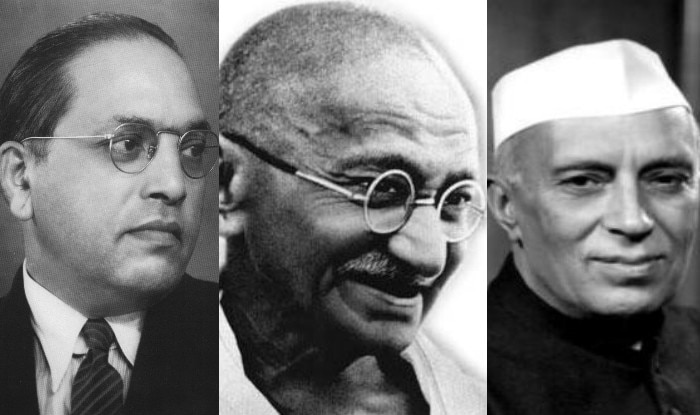


Tuesday, April 28, 2020

Padma Subrahmanyam: A Brahmin Supremacist. Gandhi and Chadrasekharendra as Crutches

Padma Subrahmanyam, aged 77, uploaded a video called 'Food for thought' that is an unabashed call for Brahmin hegemony. To provide succor to her shameful arguments she brought in Gandhi and Chandrasekharendra, the Kanchi pontiff. Thanks to social media and her own sense of self-entitlement, that makes her think that every unfiltered nonsense swirling in between her ears is fit to be shared with the wide world, we now know what a bigot she is and how vacuous she is. If anyone wanted proof that being born a Brahmin is no guarantee of intelligence she has gladly provided it. Thank you madam.

Padma Subrahmanyam. Picture Credit 'The Hindu"

Padma's choice of individuals is striking. One was Gandhi, probably the most complex political leader of modern era and the greatest emancipator nonpareil. The other was Chandrasekharendra, pontiff of Kanchi mutt, a Hindu religious leader exclusively for Brahmins and a tireless advocate of literal interpretation of scriptures like any other fundamentalist. Padma is intellectually incapable of understanding the complexity of Gandhi and is spiritually incapable of truly following the pontiff. She reduces both to hatchets to be wielded in service of her shameful agenda.

Varnashrama: India's bloodless peace and the price


Indians of many stripes often think that the blood soaked history of Europe and the relatively bloodless history of India are not just accidents but due to very elemental differences that are intrinsic to Indian, to be specific Hindu, culture that Europe lacked. This is true only on the surface.

Historians like K.A.N Sastry have pointed out the lack of friction in ancient Indian society and, in my opinion, it could easily be attributed to varnashrama. Each section of a society in a place and each functioning accordingly. Sure, it has been called division of labor and its apologists have always pointed to the trade guilds of Germany. So, would Europe have escaped bloodshed if they too had, not just trade guilds but, a form of varnashrama? They might've but the world would've been poorer.

Historian Mary Beard in 'SPQR' identifies the revolt of the plebeians, in 499 BCE, against social exclusion and taxation as a watershed moment. Strikes and violence continued for two centuries. "One of the most famed plebeian victories came in 326 BCE, when the system of enslavement for debt was abolished, establishing the principle that the liberty of a Roman citizen was an inalienable right". By then another important victory was that plebeians could be elected consuls.

Take a leap to 14th century and rebellion stirs in England. Two centuries after Magna Carta, that great charter of liberty, "in the summer of 1381", writes Dan Jones, "a sudden and violent uprising against the country's richest and most powerful lords known as Peasants Revolt, was one of the most astonishing events of the Middle Ages".

India's varnashrama protected India from bloodshed but the price was literal wholesale enslavement of a large population for more than a millennia and a nation completely alien to the ideas of rebellion, revolt and rights until western educated Indian leaders arrived on the scene in 19th and 20th century. Note, this is not a concoction of my imagination. Many Brahmin speakers, from legal fraternity and elsewhere have drawn a distinction between India's 'Dharma' oriented society versus a Western society based on the notion of 'rights'.

Varnashrama did not just keep a people in servitude. What a man or woman can wear, how long can a dhoti be, what can they eat, where can they live, whether a man can carry an umbrella, whether a people can draw water using mud pot, what they can study were all within an iron framework that was not just invisible but did not need armies to be enforced. If any system qualifies to be called evil genius it is varnashrama and it'd take the prize too.

The Pariahs were denied not just education but access to healthcare and waterways amongst others was denied. The sheer human cost of such a draconian system over centuries would, if extrapolated with imagination, make the holocaust pale into background. The Pariah was prohibited from eating rice well into the twentieth century. Imagine the cost of lack of nutrition. 'Frictionless society'. My foot.

Very coolly Padma asserts that Brahmins are natural intellectuals forgetting the fact that for nearly two centuries the reputed institutions of learning in Chennai were the courtesy of Missionaries, colonial government, non-Brahmin philanthropists. She herself was a student of Ethiraj college, not some Brahmin educational institution. Brahmins really did not run educational institutions of repute or not on such scale. The Brahmin intellectuals were all products of western education. It was not only Brahmins who flocked to learn English. Practically all of India did. Gandhi and Nehru, a Bania and a Brahmin, were not stellar students and compared to Ambedkar were less educationally accomplished. It is easy to read Nehru and Gandhi whereas Ambedkar is highly academic and makes the reader sweat.

Gandhi and Varnashrama


Gandhi is best understood by Western academics, including Indians writing for Western universities and publications. My understanding of Gandhi is firmly rooted in the western tradition. America's founding fathers were slaveholders and at the same time emancipators. Abraham Lincoln ended slavery while holding on to the belief that Blacks were not intellectually equal to the Whites. Yet, within such inconsistencies they've nudged history. So too did Gandhi. And Gandhi, in turn, was nudged by Babasaheb Ambedkar.

Gandhi has undoubtedly praised Brahmins, called upon others to respect the Brahmin, he uncharitably compared the Dalits who converted to cows but was he just a sum of a few quotes? That he was not. Even if we went by quotes he was maddeningly tying himself in knots trying not to break Hinduism wholesale and provided fodder for both his detractors and others.

Invited by Gandhi to write for the first issue of Harijan, 1933, Ambedkar refuses but sends a terse message, "There will be outcastes as long as there are castes. And nothing can emancipate the outcaste except the destruction of the caste system". Publishing the letter Gandhi proceeds to answer him. "The moment untouchability goes, the caste system will itself be purified, that is to say, according to my dream, it will resolve itself into the true Varna dharma, the four divisions of the society, each complimentary of the other and none inferior or superior to any other".

Ambedkar was, in 1935, asked give an address to the "Annual conference of the Jat Pat Today Mandal of Lahore- an organization of caste Hindu reformers who wanted to do away with the caste system". Ambedkar's prepared remarks, titled "Annihilation of caste" alarmed the organizers for it called upon Dalits to leave Hinduism. The address was cancelled but Ambedkar published the speech. Gandhi responded in Harijan. Ambedkar responded back. An epistolary battle ensued.

Interestingly the Lahore organization now sent a message to Gandhi that he published in Harijan, August 1936. The message read, "Hindus are slaves of caste and do not want to destroy it. So when you advocate your ideal or imaginary varnavyayarastha they find justification for cling to caste. You are doing a great disservice to social reform".

Dissecting Gandhi's evolution on caste and spirituality, researcher Arvind Sharma writes, "In relation to Hinduism, then, Gandhi valued the overall structure of the tradition but wrought cardinal changes within it by introducing ordinal changes into it, thus resolving the paradox of belonging to a tradition but also transforming it while following it. …his programs, often moderate, and even traditional in formulation, were often radical in their impact"

This is clearly borne out by the impact of Gandhi's tour against untouchability. As Gandhi toured the length and breadth of India beseeching the upper caste Hindus to repent he was met with cries of 'Death to Gandhi'. His cavalcade was attacked and on couple of occasions he was almost assassinated. The upper caste savarna Hindus would dare to do him what Lord Irwin or any Muslim or Christian would not even attempt to do. The savarna Hindus understood the impact Gandhi was having on their cherished customs. It should be noted that a good number of Brahmins and upper castes stood behind Gandhi too. Christ told he'd split homes and pit father against son. Here was a modern day Christ tearing apart an ancient society.

"Gandhi Collecting Donations for Harijan Fund. Picture credit Kanu Gandhi. Source  6ad11bd683584fc7ebb050ff18a08a5d.jpg"

Gandhi evolved, on every issue, till the day he was felled by a fanatical Chitpavan Brahmin. The issue of caste was no different. The Gandhi of 1920s and 1930s, historian William Coward points out, evolved to the Gandhi of 1945 who sort of accepted his defeat to make caste Hindus realize that they need to change and advocated, as Ambedkar did, the politicization of Dalits. When the Constituent Assembly voted to outlaw untouchability the members cheered, "victory to Mahatma Gandhi". The man who presided over the legal change, included in the cabinet on the advice of Gandhi, was Ambedkar.

An important meeting during Gandhi's tour in 1934 was one between him and the Kanchi pontiff in Kerala. The pontiff reportedly pleaded with Gandhi not to destroy Hinduism by destroying untouchability. While Padma cites some booklet written by Gandhi praising Varnashrama she, owing to intrinsic intellectual inability, fails to understand that Gandhi, beyond his cardinal faiths of truth and non-violence, was always a work in progress and more importantly his approach to the sacred texts was very unlike that of the pontiff's.

When Ambedkar burned copies of Manusmriti and Dalits vowed severance with Hinduism Gandhi responded in Harijan writing, "Caste has to go". Gandhi asserted that Varnashrama did not have room for untouchability and that there was no prohibition against inter-dining or inter-caste marriage and more importantly he adds that it is his liberty to interpret the texts.

Akeel Bilgrami, Rhodes scholar and holder of Johnsonian chair of philosophy at Columbia University, in a perceptive essay on Gandhi, writes that Gandhi said of his approach to religious texts, "I am not a literalist". Bilgrami adds, "I want to stress Gandhi's interpretative ideal of focusing on the spirit rather than on the letter of religious texts. So, for instance, he says that of all the versions of the Ramayana, the one to which he most turns is Tulsidas because "it is the spirit running through the book that holds me spellbound"". Gandhi, with such interpretative zeal completely gave a new reading to Bhagvad Gita, a text commonly thought to be an unabashed call to war.

"My belief in the Hindu scriptures", said Gandhi, "does not require me to accept every word and every verse as divinely inspired". Bilgrami points out that in "many writings, Gandhi opposed the prevalent interpretation of the varna system".

Gandhi interpreted, Gandhi evolved, Gandhi fashioned his own philosophy, Gandhi entertained his critics and always published their criticisms in his own newspaper. This was a man cut from a very different cloth. He was human, all too human. Padma has reduced him to a caricature. This takes us to the Kanchi pontiff who was a literalist and an avowed fundamentalist.

The Kanchi Pontiff


Even those who are disgusted by Padma's views approve the pontiff's views, which more faithfully resemble her views than that of Gandhi's. The excuse is that the pontiff, very reverentially called by devout Brahmins as 'Maha Periyavaa', was a religious head and was merely asserting what his scriptures told him. Varnashrama and support for caste are the most polite of the so called saint's causes unlike other causes that are practically repugnant.

Writing in 20th century Chandrasekharendra advocated child marriage as ideal to promote loyalty in the minds of women from childhood towards their husbands. To Gandhi varnashrama did not prohibit inter-dining but to the saint it did. In several writings he returns obsessively to not eating food served by everyone and even asked diners to be mindful of those who they ate alongside. Happily he compared ritual pollution of inter-dining to being infected by a disease. He abhorred women working.

Padma knows full well that if she just cited Chandrasekharendra she would've been brushed aside by non-Brahmins and therefore she used Gandhi as a Trojan horse to suggest, "here's the Father of the nation, a non-Brahmin and an emancipator speaking like my beloved Aacharyaa". What she lacks in honest understanding Padma compensates in deviousness. While Gandhi's views on varnashrama were superficially close to Chandrasekharendra it is the Aacharya who Padma really needed.

Chandrasekharendra Swamigal -- Maha Periyavaal

Building on her theme of differences she cites a shameful parable narrated by the Aacharya. The Aacharya, Padma says, ridiculed the idea of equality asking "if everything is equal can we replace sugar with salt in making a sweet". One has to specialize in Indian rules of logic to come up with such a stupid example to undermine the idea of equality. Recently another pontiff, oh there's no shortage of them, asked, how can we promote inter-caste marriage, is it not akin to two different animals marrying? Which school of logic do these guys attend?

It is the citing of that stupid parable that illustrates Padma's real intention and brings her closer to the Aacharya than to Gandhi. Padma, obviously does not and cannot practice everything that the Aacharya held dear. She's cherry picking much like how most of Tamil Nadu learned only one thing from E.V. Ramaswamy, passionately hating Brahmins.

When Padma bemoans Brahmins slipping from their ordained destiny she probably had in mind her bigamous father who was a movie director.

Why now? Why not ignore Padma?


The question why now, is easily answered. The current political climate is built on the bedrock of a revival of Brahminical hegemony. Turn wheresoever you may you'd find glorification of a fabled past, mostly with no truth or half-truth, that is invariably conflated with a Vedic age when Brahminical imperialism was at its apogee.

Do I believe every Brahmin cheers Padma and every Brahmin wants a return of varnashrama? Absolutely no. From the days of Gandhi till today there are Brahmins who also stand up to the forces of atavism and regressiveness. It is complete nonsense to tar all Brahmins with the same brush or to assume every Brahmin will only act like Padma does.


This is where Ambedkar and E.V. Ramaswamy adopted an implacable stance of animosity and committed the same sin they said they were fighting, meaning reducing a person to nothing beyond his or her birth. "The Bania", wrote Ambedkar, "is the worst parasitic class known to history....He is like an undertaker who prospers when there is an epidemic. The only difference between the undertaker and the Bania is that the undertaker does not create an epidemic while the Bania does".

Thousands of Brahmins, at great personal cost, rallied behind the world's most famous Bania, to fight untouchability. To the one Bania that Ambedkar loathed most, a fearsome Afghan Pathan was capable of non-violence as much as anyone else. The Mahatma never lacked for faults and he was wrong on several important questions but what he never lacked was an abiding faith in a fellow human being to surmount hate.

Why not ignore Padma? Padma is a force to reckon with in the Bharatanatyam field and, according to a friend, was the ultimate authority in awarding Ph.D's for most researchers in the field. As a prominent artiste in a field already plagued by casteism and bigotry she occupies a position of immense influence. Who knows how many students and researchers, possibly better than her, she ensured did not get the due because of who they are?

In any other decent society Padma would've become a persona-non-grata and would be shunned by institutions promptly, any apology notwithstanding. But, this is India. She has unleashed her poodles who are now flooding sanctimonious stories about how egalitarian she is. Universities, colleges and Sabhas will continue to honor her. When the grim reaper does come, we can be sure we'll be flooded with articles reminding us what a doyen she was and all this would be rarely spoken of.

It is stunning that a Brahmin lady practicing an art that never belonged to her ancestors happily talks of varnashrama. Lady, thou art the definition of the word, chutzpah. Shame on you.

References:

1. The Cambridge Companion to Gandhi - Ed. Judith Brown & Anthony Parel
2. Gandhi: A spiritual Biography - Arvind Sharma
3. Indian Critiques Gandhi - Ed. Harold Coward
4. Mahatma (Vol. 3 & 4) - D.G. Tendulkar
5. Missionaries and a Hindu State: Travancore 1858-1936 - Koji Kawashima
6. The Pariah Problem: Caste, Religion, and the Social in Modern India - Rupa Viswanath.
7. The Essential Ambedkar - Ed. Valerian Rodrigues
8.  Kanchi Acharya on Inter-Dining
9. Who can we eat with - Acharya
10. Acharya on child marriage
11. Can women work
12. தெய்வத்தின் குரல்: "ஸ்த்ரீ ஆண் மாதிரி பதவி, உத்யோகம் என்று வெளியுலக விஷயங்களில் ஈடுபடாமல் வீட்டு நிர்வாகத்தை எந்தவித குறையும் இல்லாமல் கவனித்துக் கொள்வதையே தன்னுடைய பிறவிப் பணியாகவும், நல்ல ஸாதனா மார்கமாகவும் வைத்து கொள்ள வேண்டும். வீட்டையும் கவனித்துக் கொண்டு வேலைக்கும் போகிறோம் என்றால் இரண்டிலுமே அர்ப்பணிப்பு குறைந்து போகும். ஒருவேளை இரண்டையும் சரியாக செய்ய முடிந்தாலும் அது அவளுக்கு தர்மமாகாது. ஏனென்றால், பலதரப்பட்ட பிரச்சனைகளை அவள் சமாளித்தாக வேண்டும். இந்த இன்னல்களுக்கு ஆளாகாமல், ஸ்த்ரீயானவள் தன் தார்மீகப் பொறுப்பான குடும்பப் பொறுப்பை ஏற்று சிறப்பாக குடும்பத்தை வழி நடத்திட வேண்டும்"
13. Padma Subrahmanyam https://en.wikipedia.org/wiki/Padma_Subrahmanyam
14. K. Subramanyam https://en.wikipedia.org/wiki/K._Subramanyam

Friday, September 27, 2019

The Poona Pact: Myths About Gandhi and The Calumnies. A few Random Thoughts.

No discussion of Gandhi raises as much passion as the Gandhi-Ambedkar confrontation that culminated on September 25th 1932 in the Poona Pact. This blog started as a response to a comment I saw on Facebook and is not a ccomprehensive or even coherent narration of the events related to that pact. I've merely, as the title states, shared a few thoughts. Random thoughts. 

The comment that triggered me to write said that Gandhi did not sign the Poona Pact and that showed he refused to take responsibility for a pact he engineered. 

For the millionth time I'll say this, feel free to reject Gandhi and the pact with your own rationale but don't interpret Gandhi through your lens of Ambedkarite hatred. That's like interpreting Ambedkar using Arun Shourie. Do unto others what you'd like others to do unto you.


Gandhi's life is all about taking responsibility and being accountable. There's not a single bone or cell in Gandhi's body that'd support evading responsibility. Whether it is asking a British judge to impose the maximum sentence or going on a fast to atone for the violence of some during a national agitation evading responsibility is simply not Gandhi. 

Gandhi and Ambedkar, at the time of the Poona pact, were leaders of different stature and different influences. Too much is made of Gandhi's stature and the conflict is presented as some David versus Goliath struggle with Ambedkar as David. 

Gandhi's Salt March (12th March - 6th April 1930)  had mobilized the nation, shaken the pillars of an Empire and attained worldwide attention culminating in, what Churchill memorably described, the "the one time inner-temple lawyer and now seditious half-naked fakir, a type well known in the East, striding up the steps of the viceregal palace and negotiation on equal terms with the King Emperor's representative". Gandhi negotiated with Irwin as the representative of a nation. Such moments thrill us into forgetting that barely within a few months of that pact Gandhi attended the Second Roundtable Conference (Sep-Dec 1931) where his representation of India was challenged by Ambedkar and others. While Churchill identified that Gandhi was becoming the voice of the nation let us not forget that too often his voice was challenged by other Indians, often to the glee of the Colonial regime. This is not to mean that those who dissented or stood against Gandhi were stooges of imperialism though such stooges did exist too. Certainly Ambedkar's motivations were different. 

Gandhi's halo of being a voice of the nation was very short lived. Gandhi, upon his return from Second Roundtable Conference, was diminished in stature and the regime conveniently arrested him on 4th January 1932. A month ago he was visiting the King and now he was a guest at His Majesty's jail. 

During the fast at Yervada on Sep 20th-25th 1932 India did reconnect with Gandhi emotionally. And that was the leverage Gandhi had over Ambedkar. However, that reconnection too frayed after the pact was signed when upper caste Hindu India was aghast at Gandhi and unleashed its fury on the Mahatma during his tour to eradicate untouchability. Gandhi's stature and his connection to India was as complex as the man himself. This is often missed. 

Ambedkar, certainly, was not, at that time, as nationally revered as Gandhi was and he was seen as the chief antagonist in the drama by many on the opposing side. However, he had his leverage too. Gandhi did NOT question the legitimacy of Ambedkar's representation of his people. If anything Gandhi only contested that he too was the representative of Dalits. Dalits can reject that but that was Gandhi's stance. During the negotiations the Ambedkar led faction remained dominant and disciplined. It is forgotten today that M.C. Rajah too had his own negotiations and Ambedkar refused to be aligned with him. 

The Poona negotiations, necessitated by Gandhi's fast and opposition to the separate electorate, were between upper caste Hindus that included Malaviya and Untouchables led by Ambedkar. It is unimaginable for Gandhi to have signed the pact on behalf of either party. The fast, despite what Dalits claim, was, at least in Gandhi's view, not against Dalits but for them in the larger sense and it was only against what he perceived as a scheme to perpetually segregate them from the mainstream of Hinduism. And as one who called himself a Dalit by choice it is inconceivable that he'd sign a pact as if he belonged to the other side. Whether he signed it or not he did not shy from the burden of what the pact meant and took the cause of Dalit emancipation to be above national liberation.

Dalits often bristle, with justification, at the idea of a Bania savior. But this is reality in India. Given the iron framework of casteism in India only a Gandhi could've even made a dent on behalf Dalits on the issue of caste. In 2019 a car driver of a backward caste refuses to step into the memorial at Keezhvenmani. This is the reality. Without Gandhi as ally Dalit cause would not have even made the progress that it did. In an analogous way it took a Kennedy and LBJ to turn MLK's dream into legislation. Hillary took heat for pointing that out. 

My good friend mentioned how Gandhi used fasting as a tool and almost was indignant that Ambedkar is being cast as one who took Gandhi to the  brink of his life. Whether one is a Gandhian or just an admirer of Gandhi if one understood Gandhi one would not fault, in the least bit, Ambedkar for what Gandhi inflicted upon himself. Both the upper caste Hindu panel and Ambedkar led untouchables negotiated almost with no thought of Gandhi dying though that possibility hung over their heads. And not a single leader in Gandhi's camp blamed Ambedkar for the possibility that Gandhi would die because the decision to fast was Gandhi's not Ambedkar's. 

Once the number of seats, 148, that'd be reserved was agreed upon the sticking point was the conduct of a referendum about whether the scheme was working or not. Ambedkar wanted 10 years to be the period after which the referendum was conducted. Gandhi felt that that was undue delay and became adamant on conducting a referendum within a year or at least 5 years. When Ambedkar dug in his heels Gandhi flung down the gauntlet "there you have it, 5 years or my life". 

Was Gandhi blackmailing Ambedkar? In the crude sense of the term absolutely yes. Gandhi knew full well what his death would mean and it was precisely that leverage he used. But then that is EXACTLY the leverage he used time and again whether his fasts were against the colonizer or his fellow Indians who wanted to kill each other. It was that leverage that prevented West Bengal from sliding into a civil war amidst a genocidal bloodshed. 

British viceroys were always irritated at Gandhi's pose of piety and felt it was a cloak for the shrewd Bania who negotiated with the tenacity of a haggler at a Persian bazaar. Dalits, today, are essentially hewing to that view and it is a patently uncharitable one. As uncharitable as Arun Shourie casting Ambedkar as merely a stooge of the Colonial government who wanted to thwart the nationalist struggle with his focus on narrow aims.

Whether it was his Calcutta fast or Poona fast Gandhi's attitude was always that, if he died fruitlessly because the outcome eluded him, it is what God ordained. Gandhi wrote farewell notes on the eve of the Poona fast. To his old friend Herman Kallenbach he wrote, "if god has more work to take from this body it will survive the fiery ordeal". During the Delhi fast, his last, to stamp down communal riots as his health declined when his physician Sushila Nayyar told him that  his kidneys were failing he replied, "then my faith in Rama is incomplete". As I type that I am only reminded of Christ at the Garden of Gethsemane, aware of the bloody ordeal about to befall him, pleading with his Father "take away this clip of sorrow. Nevertheless thy will not mine". 

The dynamic of Gandhi's fast should be understood before terms like 'blackmail' are used. Gandhi's fasts always were predicated on the faith that the other side, he did not think of them as enemies, will have a modicum of humanity and would relate to him in some corner of their heart. When Rajagopalachari, called Gandhi's 'conscience keeper', asked him, during the Calcutta fast, if he is embarking on a futile act against murderous thugs Gandhi replied that his fast was aimed at not the thugs but the hearts of those who manage the thugs. Gandhi would be the first to object to blaming Ambedkar if he had died in the fast. 

I also believe firmly that Gandhi, if he had had even a few breaths left in him, he'd have pardoned Nathuram Godse and possibly even thanked him for according the kind of death that he desired. Gandhi is not made of common clay.

Gandhi's tour of India campaigning against untouchability was epic in scope and reactions. Hindu India even in Gandhi's day had a more tenuous relationship with Gandhi than what is commonly understood today. To the upper caste Hindus Gandhi was a Mahatma as long as he was spouting pieties, chanting the name of Rama, singing Vaishnava Janato, calling on their better angels and above all directing his energies to toppling the colonial regime but whenever Gandhi deviated from the script by talking about reforms or eradicating untouchability or cleaning toilets used by untouchables they'd ether ignore him or reject him. This continues till today. This is the lot of any prophet in any age. This is true, ironically, even of E.V. Ramaswamy. Of all the things that E.V.R preached only his neo-nazi anti-brahmanism took root in Tamil Nadu and all his other causes, chiefly atheism, were thrown into the dustbin by those who call him their god today. Sanatana Hindus hurled abuses and even made attempts on Gandhi's life. Amongst the untouchables, the Mahars, members of Ambedkar's caste carried out black flag rallies against Gandhi. All that said that tour and the awakening it caused were the embers that inspired a free India to confront the problem of caste.

Did Gandhi need Ambedkar to teach him about the ills of untouchability? Not at all. But what Gandhi needed, and Ambedkar provided, at a historical juncture, was a catalytic alchemy that made Gandhi put the nationalist struggle on the back burner and turn to confronting a millennia old leviathan that was choking the body politic of India. At a crucial juncture Gandhi's efforts turned from merely liberating a nation to emancipating a people, all people, and making the goal of egalitarianism the goal of a nation that'd one day be free. 

People like Ambedkar have earned their place in history for giving history a nudge. While Gandhi had always talked against untouchability and the unfairness heaped on Dalits the Gandhi after Poona pact was a more radicalized Gandhi who put eradication of untouchability front and center of his liberation struggle. Without Ambedkar's nudge that'd not have happened. 

A Periyarist, a habitual hater of Gandhi, would often argue that if only Gandhi and Nehru had acceded to Jinnah's request of loose federalism partition could've been avoided. A nonsensical argument but guess who was against loose federalism. Ambedkar. Ambedkar was a key proponent of a very strong center in his role as architect of the Constitution of free India. Ambedkar distrusted federalism because he feared States would dilute the protections against untouchability. 

A full and impartial history of the Poona pact is yet to be written. Jaffrelot, for example, is blunt that Poona pact deprived Dalits of political power that, he is certain, Separate electorate would have given. This is now an article of faith amongst the naysayers or even those who could be academically objective. I find this to be a stretch. 

Political power eludes the Dalits but we're assuming that Separate electorates would've worked like a charm. That, in my opinion, is a leap of faith. I need more research but I'll say this for now, based on my American experience of Democracy, Separate electorates would've led to segregated constituencies enshrining a "separate but equal" phenomenon that was equal only on paper. Gerrymandering of constituencies would have literally ghettoized the Dalits. Even with separate electorates Muslims, thanks to Jinnah, clamored for Pakistan. It did not do much good in their own opinion. Democracy rests on the principle of representation of a peoples will through votes. How would free India have conducted elections that could be called representative democracy for separate electorates? Elections and representative democracy are a really wide subject and this aspect is often forgotten in the debates around Poona pact. 
Gandhi, to be fair, was not thinking of the above, because those objections I outlined were problems of later day American democracy. Gandhi's chief objection was that separate electorate would effectively sever Dalits from Hinduism. That fear was not without merit. This argument is used as a cudgel against Gandhi and casting him as an agent of upper caste Hinduism. This is bollocks. Ambedkar tossed and turned on the question of which religion to choose for Dalits for their en-masse conversion and eventually decided to not choose the obvious choices, Islam or Christianity, precisely because that'd be a more complete separation from Hinduism and he was not sure how many Dalits would follow. He then chose Buddhism which was often seen as birthed in the womb of Hinduism. Now, how many Dalits actually choose Buddhism? Not many. So is it fair to cast Ambedkar as wannabe protector of Hinduism who did not care what his  people really wanted? Of course not. 

The story of a nation coming into being is a complex one by itself and when the nation happens to one as complex as India, a nation like no other at that time, and even today, very complex choices were made by equally complicated people. More than unidimensional villains we come across a dizzying array of characters who came in many shades of villainy and heroism. Of those, Gandhi, Ambedkar and Jinnah, to name a few, take the prize for complexity in that order. 

Some day, hopefully in a few months, I hope to write a fuller account of the events leading unto and after the Poona pact taking into account wider questions of whether separate electorates would've really worked and Gandhi's actions. Oh, one final word, a Gandhi did sign the pact. It was Devadas Gandhi.


References:

1. Great Soul: Mahatma Gandhi and his struggle with India -- Joseph Lelyveld.
2. Gandhi: The years that changed the world - Ramachandra Guha
3. Dr. Ambedkar & Untouchables - Christophe Jaffrelot

4. Freedom at midnight - Larry Collins and Dominique Lapierre

Sunday, January 28, 2018

சுதந்திர தினத்தையும் குடியரசு தினத்தையும் அவமதித்த மதிமாறன். குடியரசு தினம் என்பது என்ன? ஏன் கொண்டாட வேண்டும்?

பெரியாரிஸ்டுகளுக்கே உரிய அறிவிலித்தனத்தோடும் தடித்தனத்தோடும் மதிமாறன் மீண்டும் ஒரு முறை பொய்களையும் அரை வேக்காட்டுத்தனத்தையும் அவிழ்த்துவிட்டிருக்கிறார். வேறெந்த நாட்டிலும் சுதந்திர தினத்தை இவ்வளவு மூடத்தனமாகக் கிண்டலடித்துக் கைத் தட்டு வாங்க முடியாது. குடியரசு தினம் என்றால் என்னவென்றே தெரியாதவர் அத்தினத்தைக் கொண்டாடுவதை எள்ளி நகையாடுகிறார்.

முகநூலில் நண்பர் இதைப் பகிர்ந்து "முட்டாள்கள் சூழ் உலகு" என்றார். அதில் வெறுமனே கடுமையாகச் சாடிவிட்டு நகர்ந்துவிட்டேன். ஆனால் நாள் முழுவதும் அந்தப் பேச்சுத் துன்புறுத்தியது. பற்பல கோடி இந்தியர்களின் வியர்வையிலும் இரத்தத்திலும் தோய்ந்து கிடைத்த சுதந்திரத்தை இந்த மூடன் எள்ளி நகையாடியது தக்க எதிர் வினை இல்லையென்றால் நாளை மேற்கோள் கட்டப்படும் உண்மையாகி விடும். இதை முதலில் முகநூலில் எளிய பதிவாக எழுத நினைத்தேன் ஆனால் இது முகநூல் பதிவு என்பதைத் தாண்டி பதியப்பட வேண்டும் என்பதற்காகவே இங்கு வெளியிடப் படுகிறது.


மதிமாறன் பேசியது: 

1948 ஆகஸ்டு 15-இல் சுதந்திரம் கிடைத்தது என்று சொல்லி பிறகு 47-இல் கிடைத்தது இல்லையா என்று திருத்தி, தான் பெரியார் கட்சிக்காரன் என்றும் அதனால் நினைவில் இல்லையென்றார். கூட்டத்தில் ஒன்றிரண்டு கைத்தட்டல்கள். 1950 வரை சுதந்திர தினம் மட்டும் கொண்டாடப்பட்டது பிறகு தீடீரெனக் குடியரசு தினம் என்று ஒன்று சேர்க்கப்பட்டது, இரண்டு தினத்துக்கும் என்ன வித்தியாசம் என்று வினவி 1929-இல் முன் மொழியப்பட்ட 'பூரணச் சுதந்திரம்' கோஷத்தை சுட்டிக் காட்டுகிறார். அப்போது, பூரணச் சுதந்திரம் அடைய 'வரி கொடா' போராட்டம் நிகழ்த்துவது என்று முடிவெடுக்கப்பட்டதாகவும் அதை நடத்தும் அதிகாரம் காந்தியிடம் ஒப்படைக்கப்பட்டதென்றும் காந்தியோ போராட்டம் நடத்தினால் வன்முறையும் ஆங்கில அரசுக்கு சங்கடமும் நேருமே என்றும் அஞ்சி 1930-இல் சுதந்திரம் கிடைத்து விட்டது போல் பாவித்து மிட்டாய் விநியோகம் செய்து கொண்டாடச் சொல்லி ஆங்கிலேய அரசின் முன் கேலிப் பொருளானார் என்று முடிக்கிறார்.

இப்படியெல்லாம் பேசுவதற்கு ஈரோட்டில் தான் பட்டம் வாங்க வேண்டும். அப்பட்டமான பொய்கள். கொழுப்பெடுத்த தடித்தனம்.

1929-இல் காந்தி: 

1929 டிசம்பர் 31-ஆம் தேதி நள்ளிரவில் லாகூரில் 'பூரணச் சுதந்திரம்' என்பது குறிக்கோளாக அறிவிக்கப் பட்டு 'இன்குலாப் ஜிந்தாபாத்' முழக்கங்களோடு கொடியேற்றம் செய்யப்பட்டது. 1929-இல் காந்திக்கு 60 வயது பூர்த்தியானது. இந்த வருடத்தை அவர் எப்படிச் செலவிட்டார் என்று பார்த்தால் பிரமிப்பூட்டும்.

ஜனவரி 1-ஆம் தேதி கல்கத்தாவில் அந்நியத் துணி பகிஷ்காரம், பிறகு அகமதாபாத் திரும்பல்.பிப்ரவரியில் சிந்து மாகாணத்துக்குப் பயணம். கராச்சியில் பொதுக் கூட்டம், சிந்து மாகாணத்தில் சுற்றுப் பயணம். பிப்ரவரி 15- டில்லி வருகை காங்கிரஸ் காரியக் கமிட்டிக் கூட்டம். மார்ச் 4 கல்கத்தாவில் அந்நியத் துணி எரிப்பும் கைதும். உடனே விடுவிக்கப்படுகிறார். மார்ச் 5 பர்மாவுக்குப் பயணம். மார்ச் 24-இல் கல்கத்தாவில் பொதுக் கூட்டம். இதற்கிடையே பகத் சிங் குண்டு வெடிப்பு நிகழ்ச்சியும் பம்பாய் மற்றும் வேறு சில தொழில் மையங்களில் தொழிலாளர்கள் வேலை நிறுத்தமும் நடக்கின்றன. ஏப்ரல் 6 ஆந்திர சுற்றுப் பயணம். ஒரு கூட்டத்தில் தனக்குப் புகழ் உரைகள் அளிக்கப்படுவதை விடப் புள்ளி விவரங்கள் - ஒவ்வொரு கிராமத்திலும் இருக்கும் ஆண், பெண், தீண்டத்தகாதோர், பள்ளிகள்- அளிக்கப்பட்டால் உபயோகமாக இருக்கும் என்கிறார். 319 கிராமங்களுக்குக் காந்தி சென்றார். பல்லாயிர கணக்கானோர் காந்தியின் சந்திப்புகளுக்கு வந்தனர். 6 வார சுற்றுப் பயணம் மே மாதம் 21-ஆம் தேதி முடிந்தது.

ஜூன் மாதம் அல்மோரா பயணம். ஜூலை மாதம் மீண்டும் சபர்மதி. செப்டெம்பரில் உத்திரப் பிரதேசம் சுற்றுப் பயணம். நவம்பர் 24 சுற்றுப் பயணம் முடிவுற்றது. முக்கியமான நகரங்கள், கிராமங்கள், பல்கலைக் கழகங்கள் என்று காந்தி உரையாற்றாத இடம் குறைவு.

டிசம்பரில் லாகூருக்குப் பயணம். டிசம்பர் 31-ஆம் தேதி நள்ளிரவில் 'பூரணச் சுதந்திரம்' முழக்கமாக ஏற்கப்படுகிறது. பூரணச் சுதந்திரம் அடைவதற்கு ஒத்துழியாமை மற்றும் வரிக் கொடுக்காமை தேர்ந்தெடுத்த இடங்களில் தக்க பாதுகாப்புகளோடு முன்னெடுக்கப் படும் என்று முடிவு செய்யப்பட்டது. அது தான் காந்தியம். ஒவ்வொரு அடியெடுத்து வைக்கும் போது மக்களைச் சிந்தித்தவர். எடுத்தேன் கவிழ்த்தேன் என்று மக்களைத் தூண்டிவிட்டு வீட்டில் படுத்து உறங்கியவர் அல்லர். மதிமாறன் சொல்வது போல் அவர்கள் ஒன்றும் வரிக் கொடுக்காமல் இருப்பது ஒன்றை மட்டும் முன் வைக்கவில்லை. அது வரை தீர்க்கமாகப் பூரணச் சுதந்திரம் மட்டுமே குறிக்கோள் என்று சொல்லப்பட்டதில்லை. அது ஒரு புதிய ஆரம்பம். ஒரு நீண்ட நெடிய சரித்திர முக்கியத்துவப் பயணத்தில் மிக முக்கியத் தருணம். இப்படித் தான் உலகெங்கும் புரட்சிகள் உருப் பெற்றிருக்கின்றன.

26 ஜனவரி 1930 முதல் தண்டி யாத்திரை வரை: 

லாகூர் தீர்மானம் மக்களிடையே என்ன வகையான வரவேற்பைப் பெற்றிருக்கிறது என்பதை அறிய 26 ஜனவரி 1930 'சுதந்திர தினம்' என்று அனுஷ்டிக்கப் பட வேண்டும் என்றும் அத்தினத்தில் நாடு முழுக்கக் காங்கிரஸ் உறுதி மொழி ஏற்பு நிகழ்வுகளை நடத்த வேண்டும் என்றும் தீர்மானிக்கப் பட்டது. அக்கூட்டங்களில் உறுதி மொழித் தவிர வேறு அலங்கார உரைகள் கூடாதென்றும் முடிவெடுத்தார்கள். இது ஒன்றும் மதிமாறன் சொல்வதைப் போல் மிட்டாய்க் கொடுத்து பம்மாத்துக் காட்டிய நாள் அல்ல.

நேரு தன் சுய சரிதையில் அந்நாளை நினைவுக் கூர்கிறார். "சுதந்திர தினம் வந்தது, ஜனவரி 26, 1930, அது நாட்டில் நிலவிய உற்சாக மனநிலையை எங்களுக்கு மின்னல் பொழுதில் உணர்த்தியது. அலங்கார உரைகள் இல்லாது பல இடங்களில் நிகழ்த்தப்பட்ட உறுதி மொழி ஏற்பு நிகழ்வுகள் அமைதியாகவும் சீராகவும் நடந்தது மிகப் பெரிய தாக்கத்தை ஏற்படுத்தியது. இவையெல்லாம் காந்திக்குத் தேவையான விசையைக் கொடுத்தது. அடுத்தடுத்த நிகழ்வுகள் ஒரு முக்கியக் கட்டத்தை நோக்கி நகர்ந்தது ஒரு டிராமாவைப் போல்".

ஒத்துழையாமை இயக்கம் எப்படி வன்முறைக்குள் சறுக்கி விழாமல் முன்னெடுக்க முடியும் என்று காந்தியும் காங்கிரஸும் மீண்டும் மீண்டும் விவாதித்தன. முன்னெடுக்கப் போகும் போராட்டத்தில் தான் கைது செய்யப்படுவோம் என்பதைக் காந்தி எதிர்ப்பார்த்தார். அப்படித் தான் கைது செய்யப்பட்டால் அடுத்தக் கட்டப் போராட்டங்கள் எப்படி அமைதியாக நடக்க வேண்டும், வன்முறைக்கு இடம் கொடுக்காமல் எப்படி மேற்கொண்டு போராட்டம் தொடர வேண்டும் என்று சமூகத்தின் ஆசானாக விரிவாகத் திட்டங்களைத் தன் பத்திரிக்கையில் விவரித்தார்.

வரிக் கொடாமைப் போராட்டத்தைக் காந்தி கை விட்டதாக மதிமாறன் சரடு விடுகிறார். காந்தி அடுத்தக் கட்ட போராட்டத்தை அறிவித்தார். உலகளாவிய சாம்ராஜ்ஜியத்தின் தூண்களை அசைத்துப் பார்த்து உலகின் பார்வையை ஒரு அறுபது வயது முதியவரின் நடைப் பயணத்தை நோக்கித் திருப்பியது அவர் அறிவித்தப் போராட்டம். வரலாறுக் காணாத எழுச்சி தேசமெங்கும். ஆம் அது தான் உப்புச் சத்தியாகிரகம் என்றும் தண்டி யாத்திரை என்றும் அறியப்பட்டது. அது உப்பு மீதான வரியை ரத்துச் செய்யச் சொல்லித் தான் நடத்தப்பட்டது.

12 மார்ச் 1930 சபர்மதியில் காந்தி உட்பட 80 சத்தியாகிரகளோடு தொடங்கிய யாத்திரை 24 நாட்கள் முடிவில் 6 ஏப்ரல் 1930 அன்று ஒரு கைப்பிடி உப்பை அள்ளியதோடு தண்டியில் முடிந்தது. அந்த நிகழ்வைப் பற்றிய எழுதிய அத்தனை வரலாற்றாசிரியர்களும் இன்றும் பிரம்மிப்போடு தான் அது பற்றி எழுதுகிறார்கள். காங்கிரஸ் தலைவர்கள் பலரும் நில வரி கொடுக்க மறுப்பது போன்ற ஏதோ ஒன்றை தான் காந்தி அறிவிப்பார் என்று நினைத்தார்கள் ஆனால் காந்தியின் உப்பு வரி எதிர்ப்பு அக்கினி குஞ்சாக ஆரம்பித்துப் புரட்சி எரி தழல் ஆனது. இப்படிப்பட்ட சரித்திர நிகழ்வைப் பற்றியும் அது ஏன் அப்படி ஒரு எழுச்சியை ஏற்படுத்தியது என்றும் நம் பள்ளி சரித்திர நூல்கள் சொல்லித் தர தவறிவிட்டதாலேயே மதிமாறன்கள் எளிதாக அரைவேக்காட்டுப் பொய்களை வீசிவிட்டு கைத்தட்டல் வாங்குகிறார்கள்.

உப்புச் சத்தியாகிரகம் பற்றி வாயே திறக்காமல் மழுப்பியது அயோக்கியத்தனம். அது சரி பெரியாரிஸ்ட் ஆச்சே இதையாவது செய்து தானே ஆக வேண்டும்.

காந்தி-இர்வின் ஒப்பந்தமும் பகத் சிங்கின் தூக்குத் தண்டனையும்: 

5 மே 1930 தண்டியில் கைது செய்யப்பட்ட காந்தி 25 ஜனவரி 1931 விடுதலைச் செய்யப்பட்டார். மற்ற தலைவர்களும் பின்னர் விடுதலைச் செய்யப்பட்டனர். காந்தியும் இர்வினும் பிப்ரவரி 17 முதல் மார்ச் 7-ஆம் தேதி வரை பேச்சு வார்த்தை நடத்தினர்.

காந்தி-இர்வின் பேச்சு வார்த்தை நடந்த போது பகத் சிங்கும் அவர் கூட்டாளிகளும் தூக்குத் தண்டனை விதிக்கப்பட்டனர் சாண்டர்ஸ் கொலை வழக்குக்காகவும் குண்டு எறிந்த நிகழ்வுக்காகவும். பகத் சிங் தூக்கிலப்படுவது தான் அந்த ஒப்பந்தத்தின் முக்கியமான ஷரத்து என்று பச்சைப் பொய்யை மதிமாறன் சொல்கிறார். முன்பொரு முறை தமிழச்சி தங்கப்பாண்டியன் என்பவரும் இதே போல் ஒரு அவதூறைச் சொன்னார்.

இர்வினிடம் காந்தி தன் எல்லா நம்பிக்கைகளுக்கும் எதிரான செயல் ஒன்றைச் செய்த பகத் சிங்குக்காக இர்வினிடம் மிகத் தீவிரமாகவே வாதிட்டிருக்கிறார். இர்வின் சொல்கிறார், "அமைதியின் அப்போஸ்தலரான காந்தியைப் போன்ற ஒருவர் தன் நம்பிக்கைக்கு எதிரான செயல் செய்தவர்களுக்காக வாதிடுகிறார் என்றால் அது எவ்வளவு முக்கியத்துவம் வாய்ந்தது என்று எனக்குப் புரிந்தது. ஆனால் அரசியல் காரணங்கள் நீதி பரிபாலனம் பாதிக்கப்படக் கூடாது. இப்படிப்பட்ட தண்டனைக்கு இதை விடத் தகுதியான வழக்குக் கிடையாது." அமெரிக்கப் பத்திரிக்கையாளர் வில்லியம் ஷைரர் காந்தியோடு அப்போது செலவிட்ட நாட்களைப் பற்றிய நினைவோடையில் "காந்தி இர்வினிடம் அந்த மூன்று இளைஞர்களின் உயிருக்காக மன்றாடினார் ஆனால் பலனில்லை" என்கிறார்.

குடியரசு என்பது என்ன? 

தங்கள் போராட்ட்ம் ஒரு நாள் வெற்றிப் பெரும், ஒரு நாள் தங்கள் நாடும் தங்கள் மக்களும் சுதந்திரக் காற்றைச் சுவாசிப்பார்கள் அது வரலாற்றின் கட்டாயம் என்று காங்கிரஸ் பேரியக்கத்தின் தலைவர்கள் நம்பியதோடல்லாமல் அந்த நாள் வரும் போது நாட்டை நிர்வகிப்பது பற்றி மிகப் பெரிய திட்டங்களை வகுத்து வைத்திருந்தார்கள்.

சுதந்திர இந்தியாவில் ராணுவத்தின் பங்கு என்ன, மொழி வாரி மாநிலங்கள் என்று மிகத் தீர்க்கமாக ஆய்வறிக்கைகள் தயார் செய்யப்பட்டன. ஒரு தேசத்தின் வாழ்வில் சுதந்திரத்தை விட முக்கியமானது அத்தேசம் தனக்கென உருவாக்கிக் கொள்ளும் அரசியல் சாசனம் தான்.

அமெரிக்க வரலாறைக் கொஞ்சம் நோக்கினால் அரசியல் சாசனம் என்பது சுதந்திரத்தை விட ஒரு நாட்டுக்கு எவ்வளவு முக்கியம் என்பது விளங்கும். அரசியல் சாசனம் தான் சுதந்திர தேசத்தின் அடித்தளம். சுதந்திரத்திற்குப் பின் நாடு எந்தத் திசையில் பயனிக்கும் என்பதையும் வரக் கூடிய பல்லாண்டுகளுக்கும் ஒரு பெரிய ஜனத்திரளின் பலத்தரப்பட்ட முரன்களை நெகிழ்வோடும் அதே சமயத்தில் ஒற்றுமைக் குலையாமலும் ஜனநாயக மரபுகளோடும் சமாளிக்க ஒரு வரை படத்தை உருவாக்கித் தருகிறது. இந்தியாவோடு அல்லது அதற்குப் பின் சுதந்திரம் அடைந்த பல நாடுகள் சறுக்கி எதேச்சாதிகாரத்துக்குப் பலியானது அவை அரசியல் சாசனத்தின் வடிவமைப்பில் கவனம் கொள்ளாதது தான் காரணம் அல்லது அரசியல் சாசனத்தைக் குழித் தோண்டி புதைக்கும் சூழல்கள் உருவானது தான் காரணம்.

அமெரிக்கா தனக்கான அரசியல் சாசனத்தை உருவாக்கிக் கொண்டதையும், அதில் நடந்த விவாதங்களையும், அந்தச் சாசனம் மாநிலங்களால் அங்கீகரிக்கப்பட நடந்த முயற்சிகளும் தீவிர வரலாற்றாசிரியர்களும் அருங்காட்சியகங்களும் மக்களுக்குச் சொல்லிக் கொடுக்கின்றன. பள்ளி மாணவர்கள் பிலடெல்பியாவில் இருக்கும் அரசியல சாசனம் பற்றிய அருங்காட்சியகத்திற்குப் பல்லாயிர கணக்கில் வருகைத் தருகிறார்கள். அவர்களுக்குத் தெரியும் 'குடியரசு' என்பது என்னவென்று. இன்றும் இங்கிலாந்தி குடியரசு அல்ல. என்ன செய்வது இந்தியாவில் நம் அரசியல் சாசனம் பற்றி எழுதுவதற்குக் கூடக் கிரான்வில் ஆஸ்டின் என்கிற வெளிநாட்டினர் தான் தேவைப் படுகிறார்.

சுதந்திர இந்தியா இடைக்கால அமைச்சரவையைத் தான் அமைத்தது. இடைக் கால அமைச்சரவையின் முக்கியப் பணி அரசியல் சாசனம் உருவாக்குவது. மூன்றாண்டுக் காலப் பகீரதப் பிரயத்தனம் அது. இந்தியா மாதிரி ஒரு நாடு ஓற்றுமையான சுதந்திர நாடாகவே நீடிக்க முடியாது என்று எண்ணியவர்கள் தான் 1947-இல் அதிகம். வைக்கோல் போன்ற மனிதர்களிடம் அதிகாரம் கை மாறியிருக்கிறது என்றார் சர்ச்சில். வரலாறுக் காணாத பல கோடி மக்களின் இடப் பெயர்வு, உள் நாட்டு கலகத்துக்கு நிகரான மதக் கலவரங்கள் இவற்றுக்கிடையே அரசாங்கத்தையும் நடத்திக் கொண்டு அதன் அங்கத்தினரில் பலர் அரசியல் சாசனம் எழுதும் முக்கியக் கமிட்டிகளுக்குத் தலைவர்களாகவும் இரட்டைப் பொறுப்பு வகித்தனர். நேரு, பட்டேல், பிரசாத், அம்பேத்கர் செய்ததை அமெரிக்காவின் தேசப் பிதாக்கள் கூடச் செய்யவில்லை.

அரசியல் சட்ட வரைவின் தலைமை இந்தியாவில் ஒடுக்கப்பட்ட இனத்தைச் சேர்ந்தவர் அன்றைய ஆளும் கட்சியின் முக்கியஸதர்களோடு மிக உக்கிரமாகச் சண்டையிட்டவரும் ஆன அம்பேத்கர். நவம்பர் 4, 1948 அன்று அம்பேத்கர் இடைக்கால அரசு (Constituent Assembly) முன் அளித்த உரை இந்திய அரசியல் சட்டத்தின் அடிப்படைகளை விளக்கும் அற்புத உரை.

எந்த வகையான அரசியல் அமைப்பு, ஏன், அமெரிக்க அரசியல் அமைப்பிலிருந்து எங்கு மாறுபடுகிறோம், ஏன் இந்திய மரபிலிருந்து சட்டம் விலகுகிறது, சிறுப்பான்மையினரை அங்கீகரிப்பதும் அவர்களும் பெரும்பான்மையினரும் அடைய வேண்டிய மாற்றங்கள் குறித்தும் விரிவான உரை அது. கத்தி மேல் நடக்கும் லாவகத்தோடு எந்தப் பக்கமும் சாயாமல் ஒவ்வொரு பக்கத்தின் தரப்பையும் அங்கீகரித்து எது ஏற்கப்படுகிறது எது மறுக்கப்படுகிறது, ஏன் என்று தெளிவாகச் சொல்லும் உரை.

அந்த அரசியல் சட்டம் தான் இன்றும் இந்தியாவை உயிர்ப்பான ஜனநாயகமாக வைத்திருக்கும் ஒப்பந்தம். அரசியல் சட்டத்தில் ஒவ்வொரு வார்த்தையும் முக்கியம், அதிலுள்ள இடை வெளிகள் முக்கியம், அதன் வரையறைகள் முக்கியம்.

வார்த்தைகளும் அரசியல் சட்டமும்: 

"சட்டத்தின் முன் அனைவரும் சமம்". மிகச் சாதாரண ஒற்றை வாக்கியம் ஆனால் அமெரிக்காவில் அடிமை முறை ஒழிப்பிற்கு ஒரு விதமாக உதவிய வாக்கியம் இந்தியாவுக்கு 1947-50 நடந்த விவாதத்தில் வேறு முக்கியத்துவம் அடைந்தது.

அபிரஹாம் லிங்கன் பற்றிய திரைப்படத்தில் முக்கியமான காட்சி அடிமை முறை ஒழிப்பு சட்டத் திருத்த மசோதாவுக்கான வாதம். திருத்தத்தை ஆதரிப்பவர் எதிர்ப்பவர்களை நோக்கித் தூண்டில் போடும் விதமாகச் சொல்வார், "எல்லோரும் சட்டத்தின் முன் ஒன்று என்று தான் சொல்கிறோமே தவிர எல்லோரும் எல்லா விதத்திலும் ஒன்று என்று சொல்லவில்லை". 'சட்டத்தின் முன் எல்லோரும் சமம்" என்பது சமத்காரமாகச் சமரசம் உருவாக்கச் செய்த உத்தி.

ஒரு நூற்றாண்டு கழித்து இந்திய அரசியல் சட்ட விவாதத்தில் இது விவாதமாகிறது. 'சட்டத்தின் முன் எல்லோரும் சமம்' என்றால் நலிந்தோருக்காக அளிக்கப்படும் சலுகைகளை ரத்துச் செய்ய நீதி மன்றங்களுக்கு அதிகாரம் கிடைக்கும் என்று கருத்தில் கொண்டு அந்த வார்த்தைகள் சற்றே மாற்றியமைக்கப்பட்டன. இன்று வரை "எல்லோரும் சட்டத்தின் முன் சமம்" என்பதைச் சுட்டிக் காட்டி சமூக நீதிக்காக இயற்றப்பட்ட சட்டங்களுக்கு எதிரான வழக்குகள் இப்படித்தான் தோற்கடிக்கப்படுகின்றன.

தமிழ் நாட்டில் இருக்கும் 69% இட ஒதுக்கீட்டிற்கான பாதுகாப்பு ஜமீந்தாரி ஒழிப்புச் சட்டத்துக்கு இயற்றப்பட்டப் பாதுகாப்பு ஷரத்தில் இருந்து தான் கிடைக்கிறது. ஜமீந்தாரி ஒழிப்பு என்பது வேறு நாடுகளில் மிகுந்த ரத்தம் சிந்தி தான் நடந்திருக்கிறது. நீதிமன்றங்கள் தனியார் சொத்துரிமையை அரசாங்கம் பறிக்கிறதோ என்று தடைச் செய்யக் கூடும் என்பதற்காக நீதிமன்றப் பார்வைக்கு உட்படாதது என்று ஒரு ஷரத்தை உருவாக்கி அதில் ஜமீந்தாரி ஒழிப்புச் சட்டம் சேர்க்கப்பட்டது. இந்தக் குடையின் கீழ் தான் தமிழகத்தின் 69% இட ஒதுக்கீடு அடைக்கலம் பெற்றிருக்கிறது.

காலனி அரசின் கீழ் கிடைக்காத சுதந்திரம் கிறித்தவர்களுக்கு இந்திய அரசியல் சாசனம் கொடுத்தது. (இது வேறு விவாதம். ஆனால் உண்மை கிட்டத்தட்ட அது தான்).

இந்து மதச் சீரமைப்பு மசோதாக்கள் நேரு என்கிற பாராளுமன்றவாதியை நமக்கு அறிமுகம் செய்கிறது. லிண்டன் ஜான்சனின் எல்லோருக்குமான ஓட்டுரிமை மசோதா வெற்றியை விட மகத்தானது நேருவின் வெற்றி. அம்பேத்கர் கசப்புற்று வெளியேறியப் பின் நேரு மிகச் சாமர்த்தியமாகக் கையாண்டு வெற்றிக் கண்டார்.

ஜனநாயக மரபுகள்: 

1920-இல் தான் அமெரிக்காவில் பெண்களுக்கான ஓட்டுரிமை. அதிலிருந்து 45 வருடம் கழித்துத் தான் எல்லா இனத்தவருக்குமான ஓட்டுரிமை கிடைத்தது அமெரிக்காவில். இந்தியாவில் 1951 தேர்தலில் வயது வரம்பை பூர்த்திச் செய்த எல்லோரும் ஓட்டுப் போட்டனர். நேருவின் முதல் அமைச்சரவையில் தாழ்த்தப் பட்ட இனத்தவர், இந்துத்துவர், காங்கிரஸ் காரர், பெண்கள் இடம் பெற்றனர்.

ராஜேந்திர பிரசாத் ஜனாதிபதிக்கான அதிகாரத்தை விரிவாக்கம் செய்ய முற்பட்ட போது அதைச் சாதுர்யமாகச் சந்தித்ததோடு பின் வரும் பிரதமர்களும் அதிபர்களும் தெளிவாகத் தங்கள் எல்லைகளை அறிந்து கொள்ளும் வகையில் சட்ட வல்லுநர்களின் கருத்துகளை நேரு சேகரித்து அச்சவாகை முறியடித்தார். ஆனால் அதே நேரு அதிபருக்கான எந்த உரிமையிலும் தலையிட்டத்தில்லை என்பதோடு அவ்வுரிமைகளை மீண்டும் மீண்டும் மற்றவர்களுக்கும் நினைவூட்டினார். தான் தடுத்தும் ராஜினாமா முடிவில் உறுதியாக இருந்த ஷ்யாம பிரசாத் முகர்ஜிக்கு எழுதிய கடிதத்தில் நேரு ராஜினாமாவை ஏற்கும் அதிகாரம் அதிபருக்குத் தான் என்றும் அதற்கான பரிந்துரை மட்டுமே தான் கொடுக்க இயலும் என்றும் சொல்கிறார். நேருவும்-பிரசாத்தும் வாரமொரு முறை சந்திப்பதை வழக்கமாகக் கொண்டனர். குழந்தைப் பருவத்தில் இருந்த நாட்டில் இவை மிக முக்கிய முன்னெடுப்புகள்.

அரசியல் சட்டம் அங்கீகரிக்கப்பட்ட நாள் 26 ஜனவரி 1950. சரித்திர முக்கியத்துவம் வாய்ந்த அந்நாளில் இந்த அங்கீகாரம் நடந்து அதைக் கொண்டாடுவது ஒரு நாட்டின் மிக முக்கியமான கொண்டாட்டம். மற்ற எல்லாக் கொண்டாட்டங்களும் ஏதோ ஒரு தரப்பு அவர்கள் நம்பிக்கைச் சார்ந்து நடத்துவது. இந்தியர்கள் எல்லோரும் இந்தியர்களாக மட்டுமே இணையும் நாட்கள் ஆகஸ்டு 15 மற்றும் ஜனவரி 26. இந்த இரு நாட்களிலும் இந்தியர்கள் கொஞ்சமாவது தங்கள் வரலாறை அறிய முற்பட வேண்டும்.

பிலடெல்பியாவில் இருக்கும் அருங்காட்சியகம் போல் இந்தியாவில் நான்கு இடத்திலாவது அருங்காட்சியகங்கள் நிறுவப் பட வேண்டும். கிரான்வில் ஆஸ்டினின் நூல் எளிமையான மொழியாக்கம் செய்யப்பட வேண்டும். பள்ளிக் கல்வியில் இவை முறையாகச் சொல்லிக் கொடுக்கப் பட வேண்டும். இதையெல்லாம் மிக அவசரத்தோடு செய்ய வேண்டும்.

விமர்சனங்களும் தடித்தனங்களும்: 

இந்திய அரசியல் சட்டத்தை விமர்சிக்கலாமா என்றால், தாராளமாக விமர்சிக்கலாம் என்பதே பதில். அம்பேத்கரே விமர்சித்திருக்கிறார். ஆனால் எதையும் விமர்சிப்பதற்கு முன் அதைப் பற்றிக் கொஞ்சமாவது படித்தறிய வேண்டும். வெறும் தடித்தனத்தோடு நாலு கைத்தட்டல் வாங்குவதற்காக வாய்க்கு வந்ததைப் பேசுவது காலித் தனம்.

மதிமாறன் காந்தி, நேரு அம்பேத்கர் ஆகியோரை அவமதித்தார் என்பதை விட என்னைத் துன்புறுத்தியது அவர் பேச்சு வ.உ.சி, சுப்ரமணிய சிவா, திருப்பூர் குமரன், முத்துலட்சுமி ரெட்டி, அகியோரையும் சுதந்திரத்திற்காகத் தங்களையும் தங்கள் உடைமைகளையும் இழந்த என்னற்ற சாதாரண இந்தியர்களையும் தான் அவமதித்து இருக்கிறார். தில்லையாடி வள்ளியம்மை தென்னாப்பிரிக்காவில் போராடி இறந்த இளம் பெண், காந்தியால் ஆராதிக்கப்பட்டவர். சுதந்திர உணர்வும் அதை அடைய உலகெங்கும் நடந்த போராட்டங்களும் அதில் தியாகம் அத்தனை மேலோர்களும் வணங்கப் பட வேண்டியவர்கள் அவர்கள் நமக்களித்த கொடை சுதந்திரம்.

சுதந்திரம் அடைவதோ, அரசியல் சட்டம் எழுதிக் கொள்வதோ மட்டுமே போதுமானது அல்ல. நாடு என்பது உறைந்த பொருள் அல்ல. வரலாறும் எதிர் காலமும் ஒரு பயணமே. அந்தப் பயணத்தில் சுதந்திரம் அடைவதும், சட்டம் இயற்றுவதும் முக்கியத் தருணங்கள் அவ்வளவே. ஒவ்வொரு சந்ததியினரும் முயன்றால் தான் முன்னேற்றம் நிகழும் என்பதோடு அது வரை நடந்த முன்னேற்றங்களைப் பாதுகாக்கவும் முடியும்.

திராவிட இயக்கத்தின் இந்தக் கழிசடைத் தனங்களை தேசியத்தின் மீதும் பன்மைத்தன்மை மீதும் மாறா பற்றுக் கொண்டவர்கள் தான் ஒருங்கிணைந்து எதிர்க்க வேண்டும். எதிரிக்கு எதிரி நண்பன் என்ற ரீதியில் படைத் திரட்டக் கூடாது. இந்துத்துவத்தின் கேடயத்தின் பின் ஒளிந்து கொண்டு மதிமாறனை வீழ்த்தக் கூடாது என்பதும் முக்கியம்.


References:

1. Mahatma (Volume 2 & 3) - D.G. Tendulkar
2. Patel: A life - Rajmohan Gandhi
3. Autobiography - Jawaharlal Nehru
4. The Indian Constitution: Cornerstone of a Nation - Granville Austin
5. Working a Democratic Constitution - Granville Austin
6. Mathimaran speech https://www.facebook.com/karthik.ashok.100/videos/1673447949343243/


Friday, January 5, 2018

The Koregaon Battle- Mahars in the Peshwa Regime and Indian Army

While Mumbai burns, yet again we're confronted with the question of 'what really happened' and history has become, again, a political football. Ambedkar and the Mahar regiment are being characterized by Hindutva Brahmins as stooges of Colonial masters and anti-Indians. Ah, anti-Indian, that catchall term to tar and feather anyone who disagrees with the Hindu fundamentalism that Narendra Modi peddles. "What is the proof that Mahars were ill treated by Peshwas" asked one in an attempt to discredit history and the current imbroglio. Let's find out.


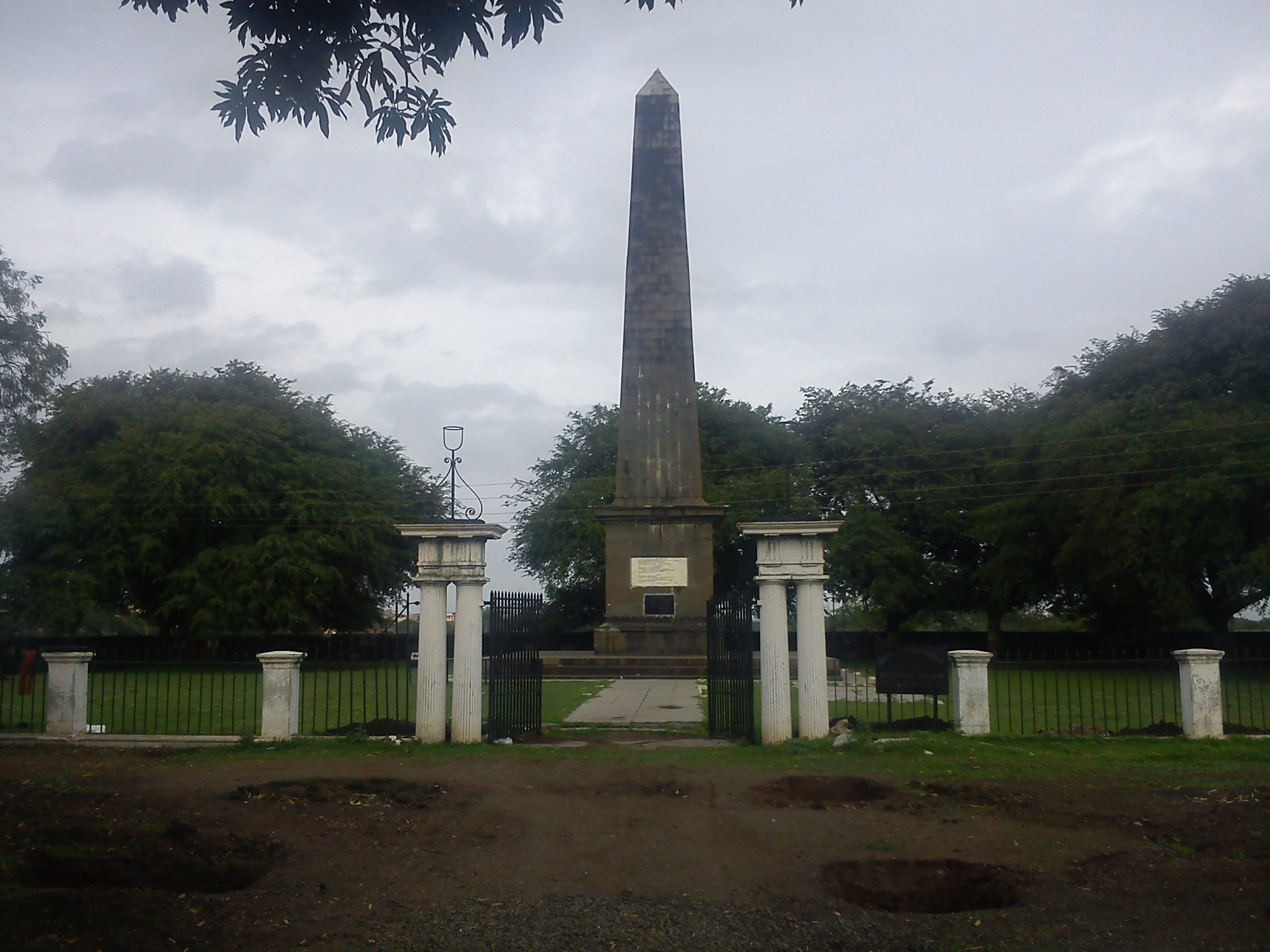
Koregaon Memorial Pillar (Image courtesy Wikipedia)

The East India Company and the Peshwa regime were locked in a war for survival in the third and final Anglo-Maratha wars from November 1817-February 1818. The battle of Koregaon, on January 1st 1818, was the last battle of the war in which the British army, numbering around 900 and led by F.F. Staunton were met by the Peshwa army, numbering nearly 20,000 and led "by the Peshwa himself". The battle ended indecisively but Staunton's army was able to retreat honorably including "carrying of their wounded". However, since the war itself was a decisive victory the battle was noted for its glorious valor against staggering odds. A memorial, an obelisk, was erected to commemorate the battle at Koregaon. Twenty two of the names listed in the memorial plaque at the obelisk are names of those from the Mahar caste who fought in the battle against Peshwa army. Now, Mahars were considered low-caste and the Peshwa regime was a Brahmin regime.

Wars have always ben important sign posts in the collective memory as matter of pride or of shame depending on who lost and won and which community is doing the recollection. During the colonial era Indians, especially Hindus, always felt a need to rekindle martial pride to overcome the fact that a small profiteering company from a small island was ruling a vast subcontinent. To Hindus this was a sting even as they were ruing the loss of power during the 500 year Islamic rule. Amongst the Hindus castes like Mahars needed a retelling of the past when they were part of something significant, particularly, against the Brahmins.

Pankaj Mishra in "From the ruins of Empire: The intellectuals who remade Asia" recalls how Asians and even African-Americans felt glorious about the Japanese victory in the Russo-Japanese war in 1905. Gandhi, an unknown lawyer in South Africa then, said "so far and wide have the roots of Japanese victory spread that we cannot now visualize all the fruit it will put forth". Jawaharlal Nehru, traveling to Harrow and a teenager then, remember hearing the news and how it put him in "high good humor". In America W.E.B. Du Bois "spoke of a worldwide eruption of 'colored pride'". Rabindranath Tagore led students in a victory march "around his little school compound". Mishra adds, "it mattered little to which class or race they belonged; the subordinate peoples of the world keenly absorbed the deeper implications-moral and psychological-of Japan's triumph".

Tamil literary tradition celebrates war and the exploits of war by their kings and chieftains. If BJP is afflicted by muscular nationalism fueled by religious pride Tamil Nadu politics is imbued with regional pride fueled by linguistic chauvinism. Often one could hear a plaintive recalling of the glorious past when a Tamil king undertook an expedition to the North and subdued the chieftains there. One story even mentions making the subdued chieftains act as mules to bring rocks from the north to construct a temple. Memories of war and what they mean for cultural and national pride is a fertile topic for sociologists and historians.

The Koregaon battle, a matter of pride for Mahars is a stigma of shame for the nationalists, many of whom are upper castes. The issue of Mahar regiment, their subsequent disbanding and demand for re-instatement became a major issue for Ambedkar, a Mahar.

The Mahars at one time constituted nearly 15% in the Bombay infantry in 1875 but with the introduction of the principle of recruiting based on classes identified as 'martial classes', mostly Punjabi, the Mahars lost and were 'excluded altogether from the Bombay army in 1892'. The ban on Mahar recruiting was only lifted in 1917 towards the end of World War I. "But after the war was over, caste prejudice led to that regiment being disbanded in 1922". "This time, though, the community had a strong advocate in the shape of B.R. Ambedkar", "a man who had grown up hearing stories from his soldier uncles and other community leaders about the great wrong done to the community". (Wilkinson 2015, 72-76).

It is little wonder then that Ambedkar chose to make the Battle of Koregaon a day to commemorate and the memorial a site of annual pilgrimage. Shraddha Kumbhojkar, a historian at the University of Pune,  has written a detailed chapter on the battle in "Sites of Imperial Memory: Commemorating Colonial Rule in the Nineteenth and Twentieth Centuries". Khumbojkar quotes a pilgrim to the site on the day of commemoration, "We are here to remember our Mahar forefathers fought bravely and brought down the unjust Peshwa rule. Dr. Ambedkar has started this pilgrimage. He asked us to fight injustice. We have come to take inspiration from the brave soldiers and Dr. Ambedkar's memories".

Khumbojkar gives a grisly summary of the plight of Mahars under the Brahmin Peshwas.
"The 'untouchable people' who were born in certain so-called low-castes were given harsher punishments tan would be meted out to high caste people for the same crimes. They were forbidden to move in public spaces in the mornings and evenings lest their long shadows defile high caste people on the streets.....Human sacrifices of 'untouchable' people were not uncommon" 
 Mukta Salave, "a 15 year old girl" from the Mang community provides further grisly material.
"Under Bajiro's rule, if any mang or mahar happened to pass in front of the gymnasium, they cut off his head and used it to play 'bat ball', with their swords as bats and his head as a ball"
[I verified the quote of Mukta Salave that Khumbojkar provided based on the reference cited. The quote is from 'Women Writing in India: Voume 1 600 BC to the Eraly Twentieth Century edited by Susie Tharu and K. Lakita pg 214-216. Muktabai is mentioned without last name and she's 14 years old when she wrote that in 1855 in a school founded by Savtribhai and Jotiba Phule. The essay was reprinted in Dnyaodaya Centenary volumes edited by B.P Hivale in 1942.

Khumbojkar, intentionally or otherwise, omits mentioning that Mukta also added that Mahars practiced the same untouchability, including fear of being polluted by shadow, towards mangs. A good historian should not have omitted that]

Sure, one could argue that the quote from Mukta needs to be considered with caution but a tradition of violence even in present day India towards Dalits when incidents of horrendous violence are not uncommon her narration gets a vote of trust.

Two other sources concerning slavery in Peshwa regime gives a glimpse of the nature of the regime and the era. Many Indians still think that slavery was only an institution in West, notably America. Not at all. India had a very well established slavery system. In 'Slavery, Abolitionism and Empire in India, 1772-1843' Andrea Major quotes the colonial official Elphinstone who ponders on what to do with slaves escaping from the Peshwa and seeking protection in British encampments. When 6 slave dealers were arrested their victims included children.

An essay in "Slavery & South Asian History" edited by Indrani Chatterjee and Richard Eaton mentions "Slaves-especially women and children- were highly acceptable gifts and often circulated from household to household. We find Peshva Balaji Bajirao acknowledging the gift of a European musical instrument and 'two women of the best quality'". In another letter Balaji Bajiao writes "you were instructed to buy and send me two beautiful ten-year old Hindu girls". "Definitely send on [my] personal account the following sort- two high-quality, pure Hindus of good caste, ten year olds".

When upper caste Brahmin fundamentalists shake their fists and ask "where is the proof" we struggle to come up with proof because history, in India, was never written in the Greco-Roman style and when written, at all, in the pre-colonial era, they were mostly poetic hagiographies by upper caste writers, mostly Brahmins, in the service of the Kshatriyas. Only with the arrival of Colonial era do we even get credible records. Sure the colonial era record keeping has its share of embellishments and biases but evidences such as the above are direct. From Bajirao's letter requesting ten year old girls of 'good caste' one can make an interesting inference that in his sick mind he doesn't consider girls of low caste to even be slaves.

Characterizing Ambedkar as a stooge of British is an old saw. Arun Shourie, a Brahmin and a former member of BJP government, used to be a journalist and then a hack historian. In his avatar as historian he was the darling of the Hindutva brigade particularly for writing his extremely polemical hack job of a book about Ambedkar, "Worshipping false gods: Ambedkar and the facts which have been erased". Ambedkar's differences with Gandhi, the Congress and the Freedom movement are legendary and they played out in public stage. There are no secrets there. William Shirer was shocked how Ambedkar, in his arguments during the Round Table Conference, appeared to be supportive of the Colonial regime. But, neither Shirer nor Shourie can even remotely appreciate the deep wounds in the psyche of Ambedkar due to India's caste system.

Sir Samuel Hoare, quotes Arun Shourie, in a letter to the Viceroy commends Ambedkar's 'good behavior' at the Round Table Conference and wants to 'strengthen his hands' by acceding to Ambedkar's demands to re-establish the Mahar regiment in the army. Then Shourie asks if Ambedkar was truly "serious" about the demand and casts an aspersion by citing a letter written by Roger Lumely, Governor of Bombay. Lumely writes that "does not put his weight" behind the recruitment of Mahars and says that the recruitment would've been better "if he were really keen to help". This is revisionism or plain failure of a journalist posing as historian.

Steven Wilkinson lays bare how the attitude towards caste continued to impact recruitment from non-martial classes. "There was no army-wide policy against employing Scheduled Castes, but most infantry and armored units recruited only from martial classes, which led to the same results as if there had been a formal policy. The fact that the essence of the martial-class policy had not been dismantled, though, was admitted in secret correspondence between the Indian Army and the Indian Office". A shameful coverup literally of non-recruitment was indulged by the Army and the government to pretend all was well. It was not Ambedkar who failed but it was the Colonial empire in cahoots with upper caste that were the cause for failure in recruiting Mahars.

Wilkinson provides further evidence of institutional discrimination. In later years when Jagjivan Ram, a defense minister and from a low-caste, demanded to know if India's policy of reservation for Scheduled Castes was being followed in the army General Manekshaw sent a note that as per the law army was excluded from the reservation policy but nevertheless there was Mahar regiment and nearly 15% were Scheduled Castes below the rank of officers. Now, Manekshaw was a war hero and there was little Jagjivan Ram could do then. Also, it is easy to guess that the presence of 15% Scheduled Caste in reality means little because the army recruits, particularly the non-officer class, were mostly drawn from families stuck in poverty and Dalits constituted a majority of them.

A Brahmin sitting in California advises that the government should just mow down with bullets the Dalit rioters. I wonder what would be his suggestion about the thugs who destroyed a monument in broad day light and created a fear psychosis in the heartland of India?

Dalits have suffered systemic oppression of the inhuman kind, their icons are subjected to merciless vivisection to show up their weaknesses and contradictions, their history is glossed over when it is written and mostly swept under the carpet. Whether it is Ambedkar or Gandhi one can freely criticize them but motives matter and the kind of criticism heaped matters and finally facts matter. Of course one doesn't expect honor from the Hindutva brigade and this blog is not meant to educate them. Rather this is for those who are curious about facts and open to reason.

References:


  1. From the ruins of Empire: The intellectuals who remade Asia - Pankaj Mishra
  2. Sites of Imperial Memory: Commemorating Colonial Rule in the Nineteenth and Twentieth Centuries - Edited by Dominik Geppert and Frank Lorenz Muller.
  3. Army and Nation: The military and Indian democracy since independence -- Steven I. Wilkinson
  4. Women Writing in India: Voume 1 600 BC to the Earlyly Twentieth Century- Edited by Susie Tharu and K. Lakita
  5. Slavery & South Asian History"- Edited by Indrani Chatterjee and Richard Eaton
  6. Slavery, Abolitionism and Empire in India, 1772-1843' - Andrea Major
  7. Worshipping false gods: Ambedkar and the facts which have been erased - Arun Shourie
  8. Battle of Korean - https://en.wikipedia.org/wiki/Battle_of_Koregaon#CITEREFShraddha_Kumbhojkar2015